Genital Feminizing
Welcome to Legacy Surgical Partners – we look forward to caring for you! Our priority is to make your surgery process and everything in between as pleasurable, empowering, and accessible as possible. Patients are expected to follow guidelines established by the WPATH Standards of care Version 8. We follow these standards—not as a gatekeeping hurdle—but as minimal guidelines that are useful guideposts that are protective. Though regret for gender affirming surgery is extremely rare, we are medical professionals who are here at your bequest. Surgery is irreversible, which puts the onus of responsibility on both patient and provider.
We're here to help you make essential decisions and know what to expect in surgery planning and recovery. Our team consists of:
- Surgeons
- A physician assistant
- Medical assistants
- Our surgery scheduler
- Office team
- And you 
That’s right, you! We value your input, perspective, and all the work you are doing to prepare for and recover from surgery. We look forward to getting to know you better and learning how we can help you.
I. Genital Feminizing Overview
We understand this surgery is extremely important. It takes a good deal of trust to allow a surgeon to perform this operation. We want to assure you that your trust in our team humbles us, and we take it very seriously.
We’ve created this overview to help you make informed decisions and know what to expect.
What is genital feminizing surgery?
This is an inclusive term that encompasses all the feminizing genital procedures; ie: Vaginoplasty, Vulvoplasty, RoboticPeritoneal Flap Vaginoplasty (RPFV), and non-binary feminizing surgical procedures (Please inquire for alternative options). These procedures are usually a single surgery where tissue is rearranged to create a vulva—or the outside portions of the vagina, clitoris, female-positioned urethra—and if desired, a vaginal canal.
Gender Affirming/Non-Binary Genital Surgery, in ideal circumstances, can enable you to:
- Have a body that more closely aligns with your gender.
- Have a natural-looking vulva with erotic sensations.
- Have a functional vagina with potential for sexual activity including penetration, if desired.
Each patient’s surgery plan and results are different.
II. Before Surgery
Before your first consultation, we encourage you to:
- Consider your goals and priorities for surgery.
- Please write down your questions and bring them with you to your visit.
- Think about whether you want biological children in the future so we can discuss fertility preservation options. There are many resources if you are thinking of preserving sperm.
- You might wish for a support person to come with you. Sometimes there is information discussed with a medical team that is not always remembered. Two heads are often better than one.
Your First Consultation
Your first consultation allows us to learn about your hopes and goals. You may be given a questionnaire to help us meet your needs and measure the results. Your surgeon will review your options and explain the process. You will also get a feel for the office and for the staff. You may also wish to visit Mills-Peninsula Hospital Medical Center at 1501 Trousdale, less than 10 minutes from our office.
Once we understand your goals, we will:
- Evaluate your anatomy, determine the best option based on available tissue
- Look at hair clearance if you have had previous hair removal sessions. Do a brief genital exam and selective physical examination.
- Assess your overall health to see which surgeries can meet your goals. You may be asked to make specific health or lifestyle changes to prepare your body for surgery.
A fair amount of time is spent during the consultation with your surgeon, but you may also meet the other care team members. When team members introduce themselves, they will discuss their role in your care and answer your questions.
Vaginoplasty Options
Each patient’s surgery and results differ as everyone starts with unique anatomy and goals.
Modernized Penile Inversion Vaginoplasty (PIV)

Penile Inversion Vaginoplasty with Additional Graft
Peritoneal Pull Through or Robotic Peritoneal Flap Vaginoplasty (RPFV)
Zero Depth, Minimal Depth, or Vulvoplasty
Penile Preserving Vaginoplasty (PPV)
Nullification or Flat Surgery
Variation Surgery
Aesthetic Revisions
III. Preparing for Surgery
Vaginoplasty is an extraordinarily complex procedure involving multiple steps. Much of its success depends on your preparedness, especially for dilation. This means being in the best possible physical and mental health before the surgery.
Above all else, it is critical to have reasonable expectations about what is possible for your body and what your surgeon can realistically accomplish. We recommend you:
- Speak with a mental health professional who has an understanding of gender care to help navigate this complex process and exciting period of your life.
- Connect with peers who have been through this surgery for support. Please keep in mind that each person’s surgical plan, and experience and result is unique. Information shared on some online forums may not be relevant to your surgery. Due to patient privacy laws, we never comment on another patient’s specific issues or experiences. We are happy to clarify anything related to your individual care.
This guide will help you meet all the pre-surgery requirements, prepare for surgery, and plan for your recovery. We are here to help make sure your surgery is successful.
Maximizing Healing
Although recovery may take up to six months in total, healing is often very rapid with significant reduction in swelling/bruising/discharge just in the first six weeks. You will be dilating during this time 3X daily, which can feel all-consuming. The second six weeks though is considerably easier in most cases as you become comfortable with dilation. After 12 weeks, dilation frequency drops to twice daily. Surgery puts stress on your body, in the months and weeks leading up to surgery, maximizing your health both mental and physical, as this will aid in having a swift recovery. For most, the reality of recovery is easier than imagined.
To maximize healing, we recommend:
- Getting roughly 0.5 gram of protein per weight in lbs a day to maximize healing (eg:150lb x 0.5=75g of protein per day).
- Reducing sugar intake and processed foods.
- Remaining active before having surgery. Keeping up with or adding a workout plan will benefit your overall health and support a speedy recovery. Examples can include adding daily walking, home yoga, or simple home workouts with body weight to your weekly routines.
IV. Planning for Recovery
We understand the importance and urgency of this surgery. We also know your success hinges on being well-prepared. Remember, this is a lifelong investment in your health. Optimal preparation can improve your chances of positive physical and mental health outcomes.
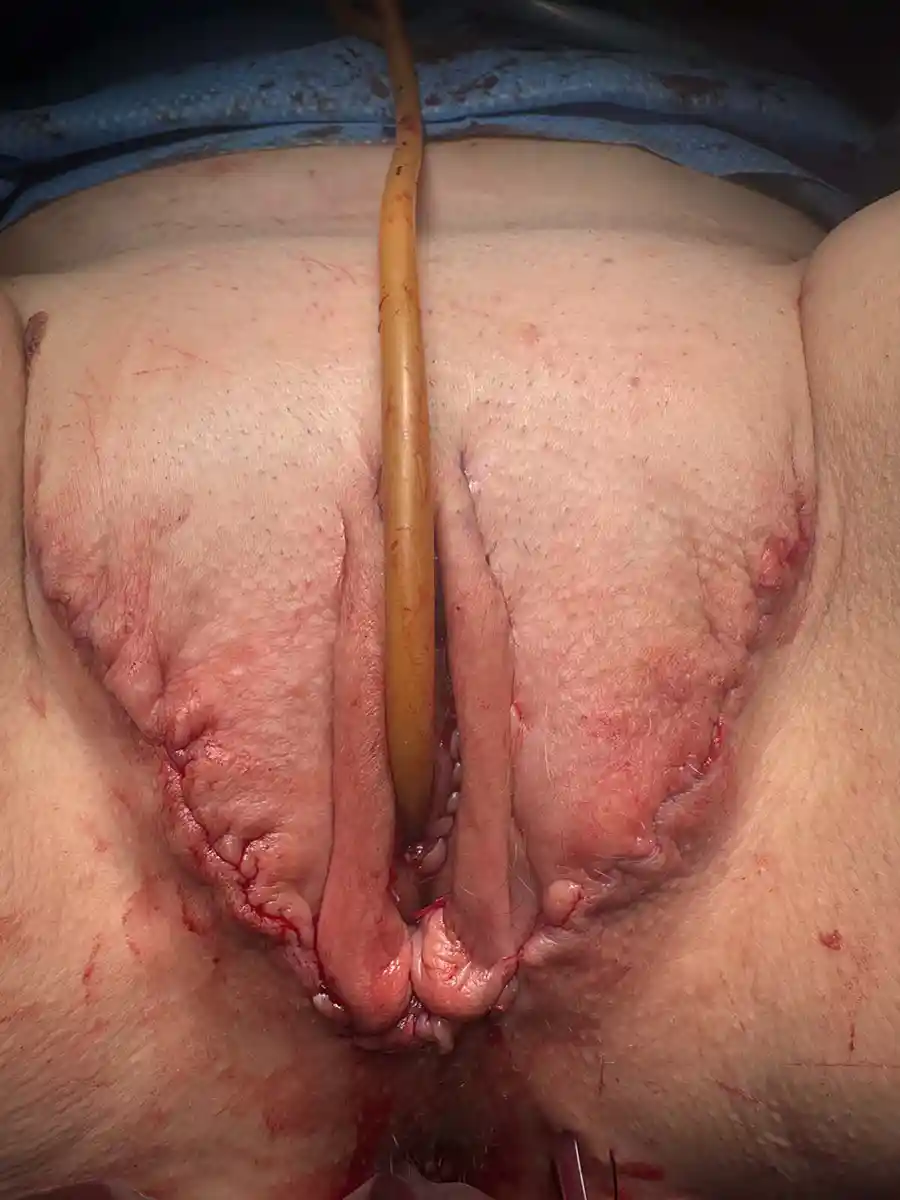
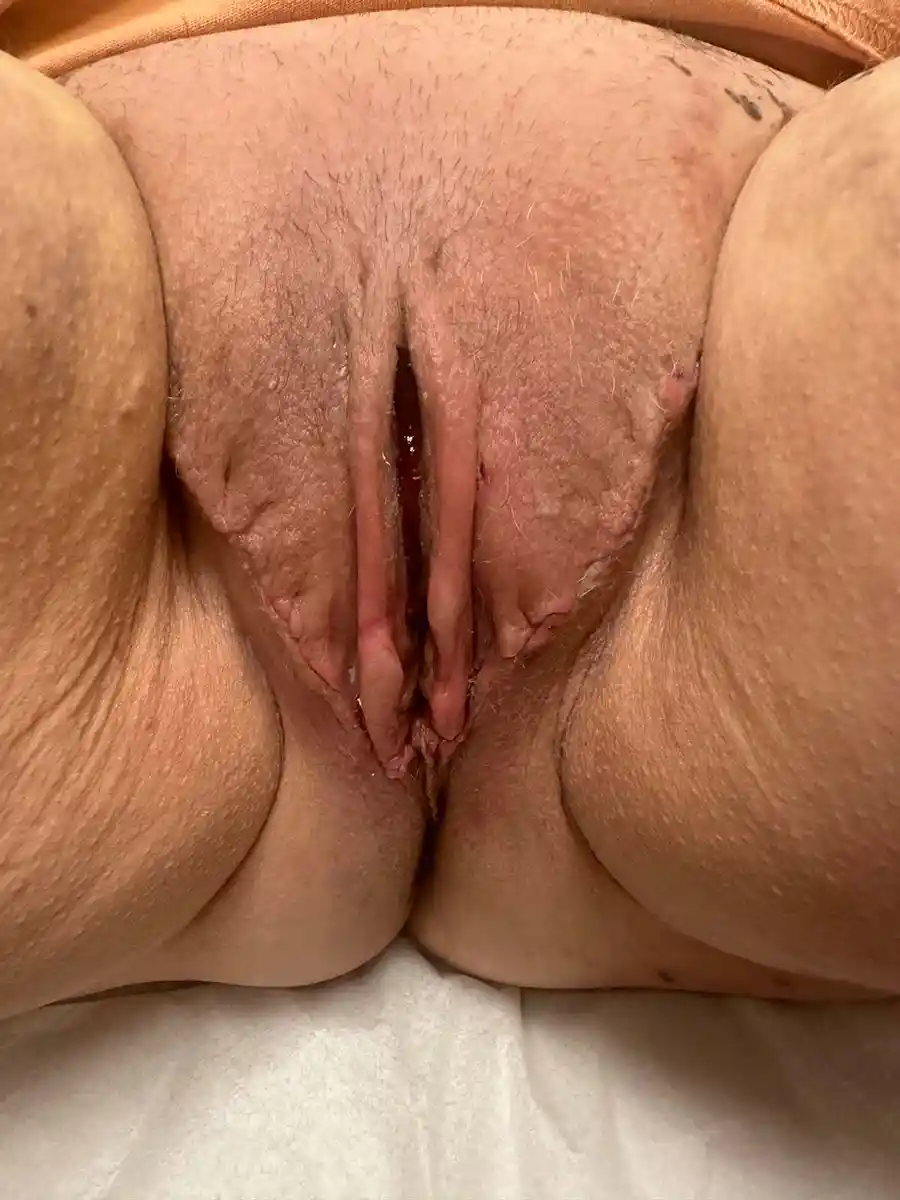
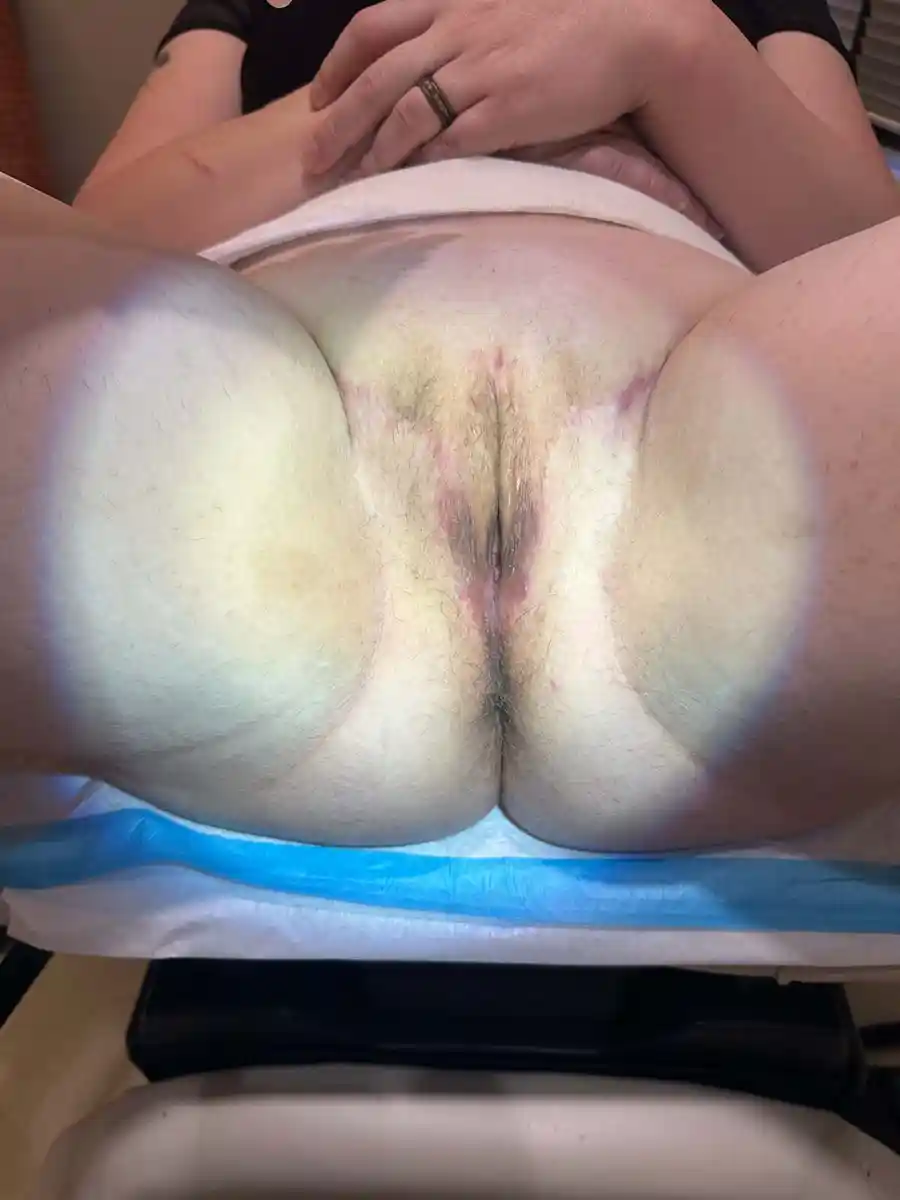
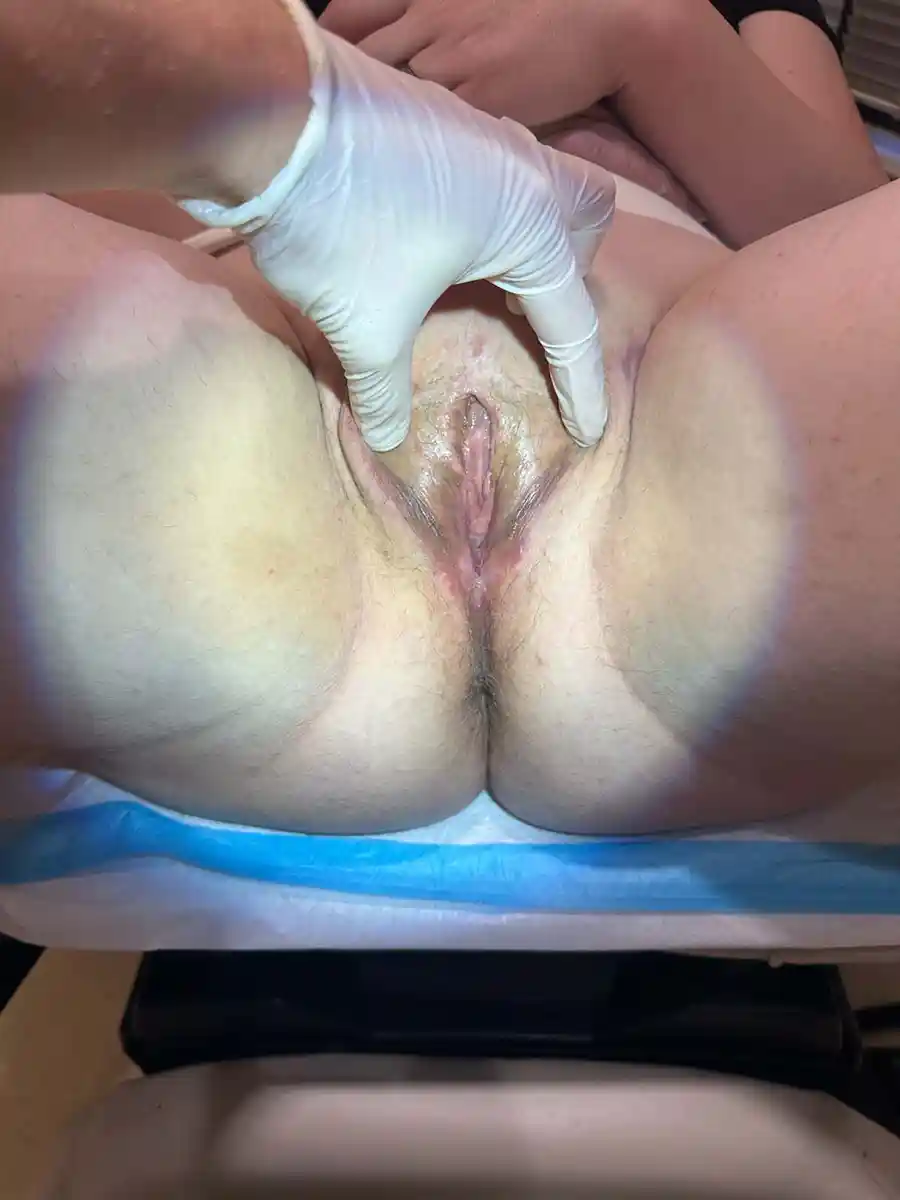
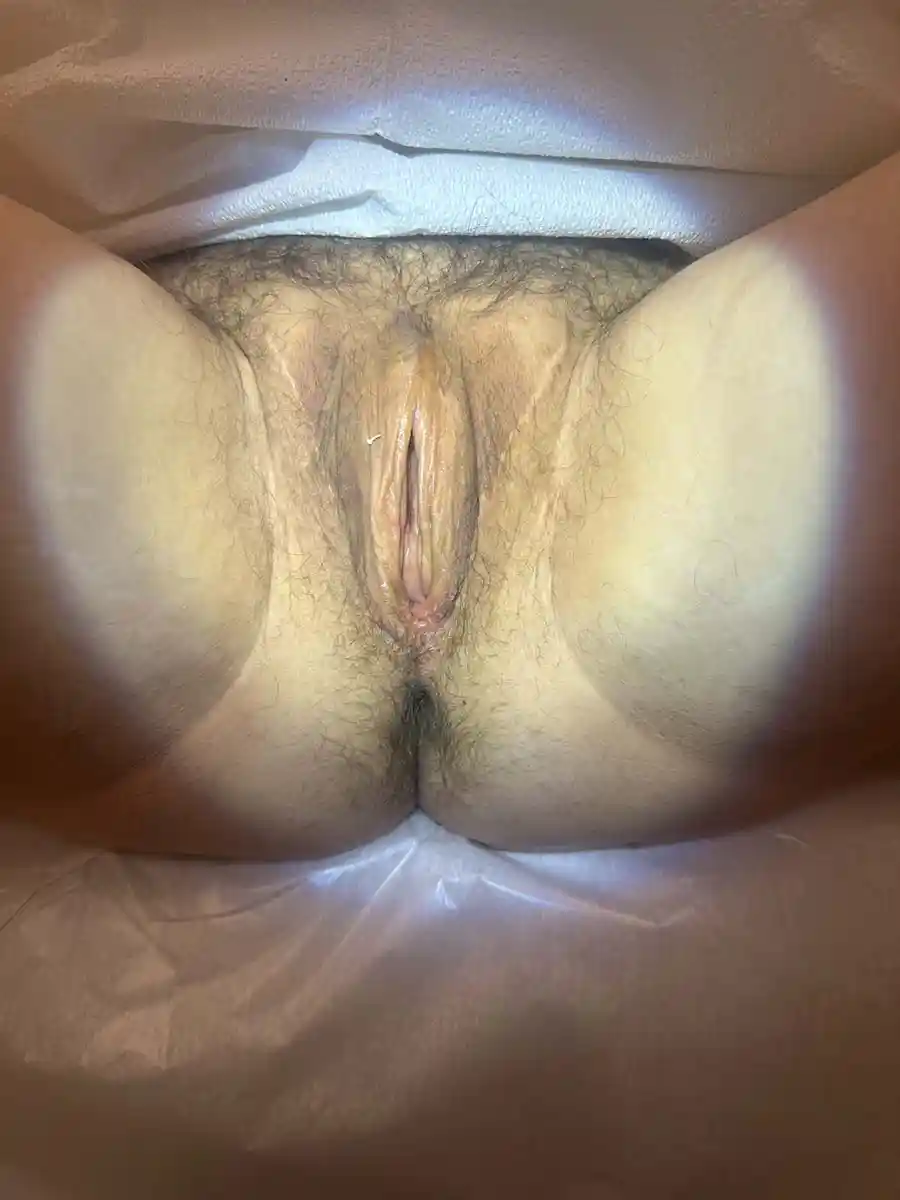
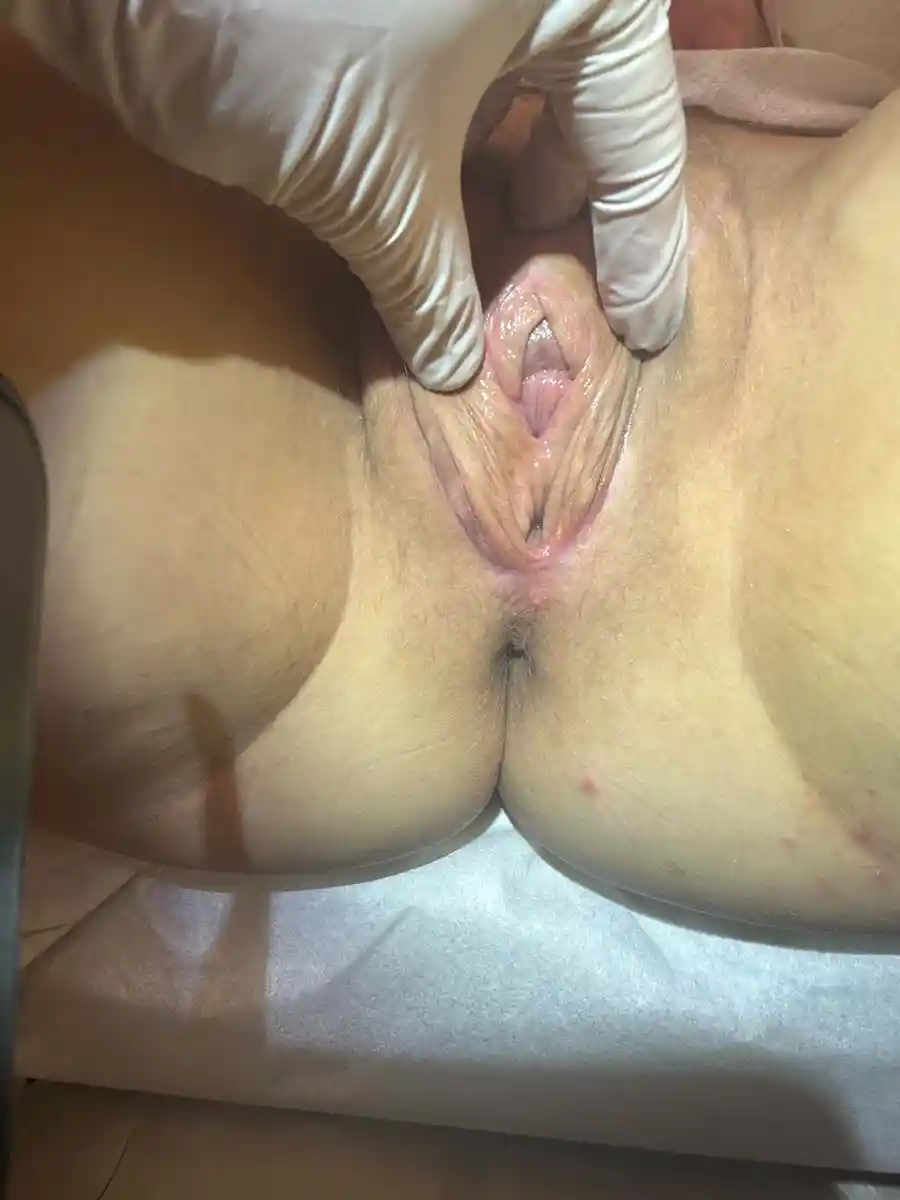
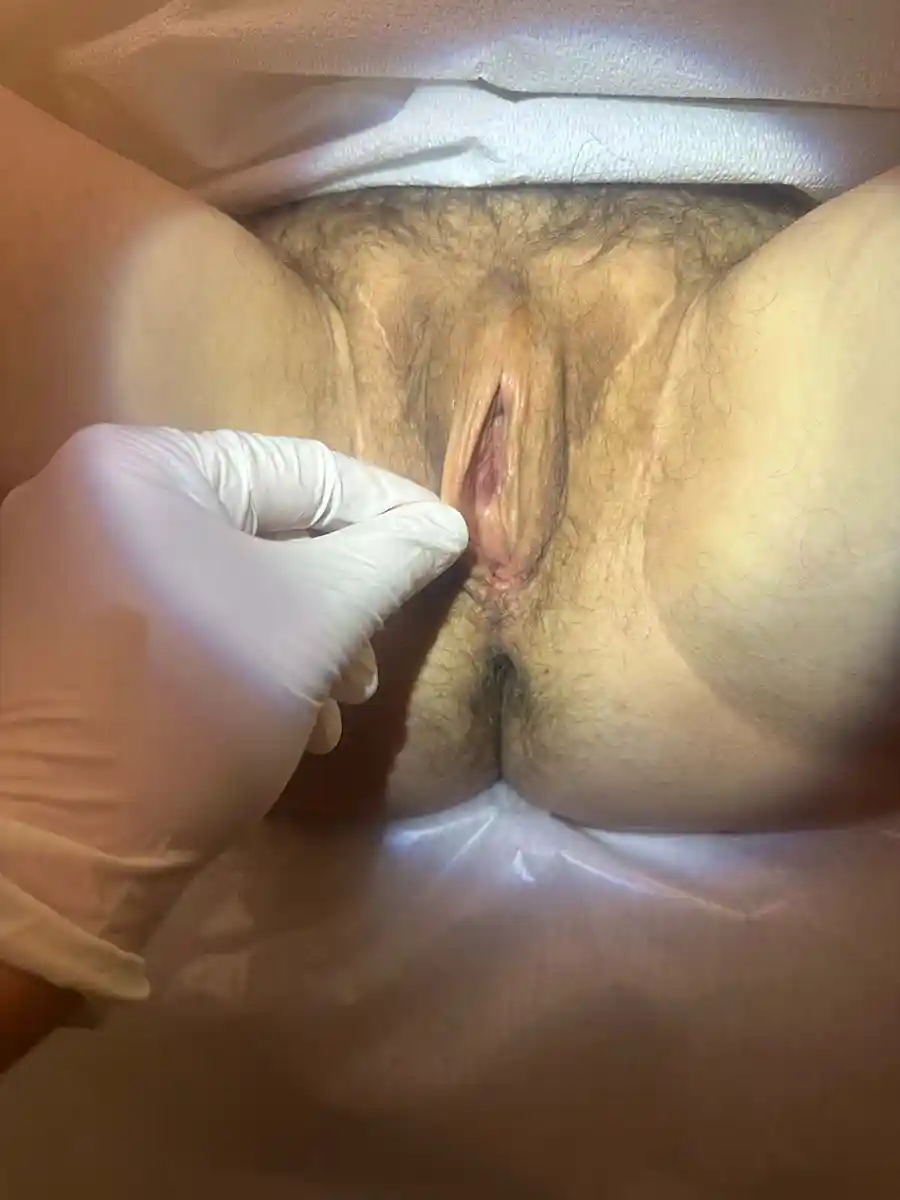
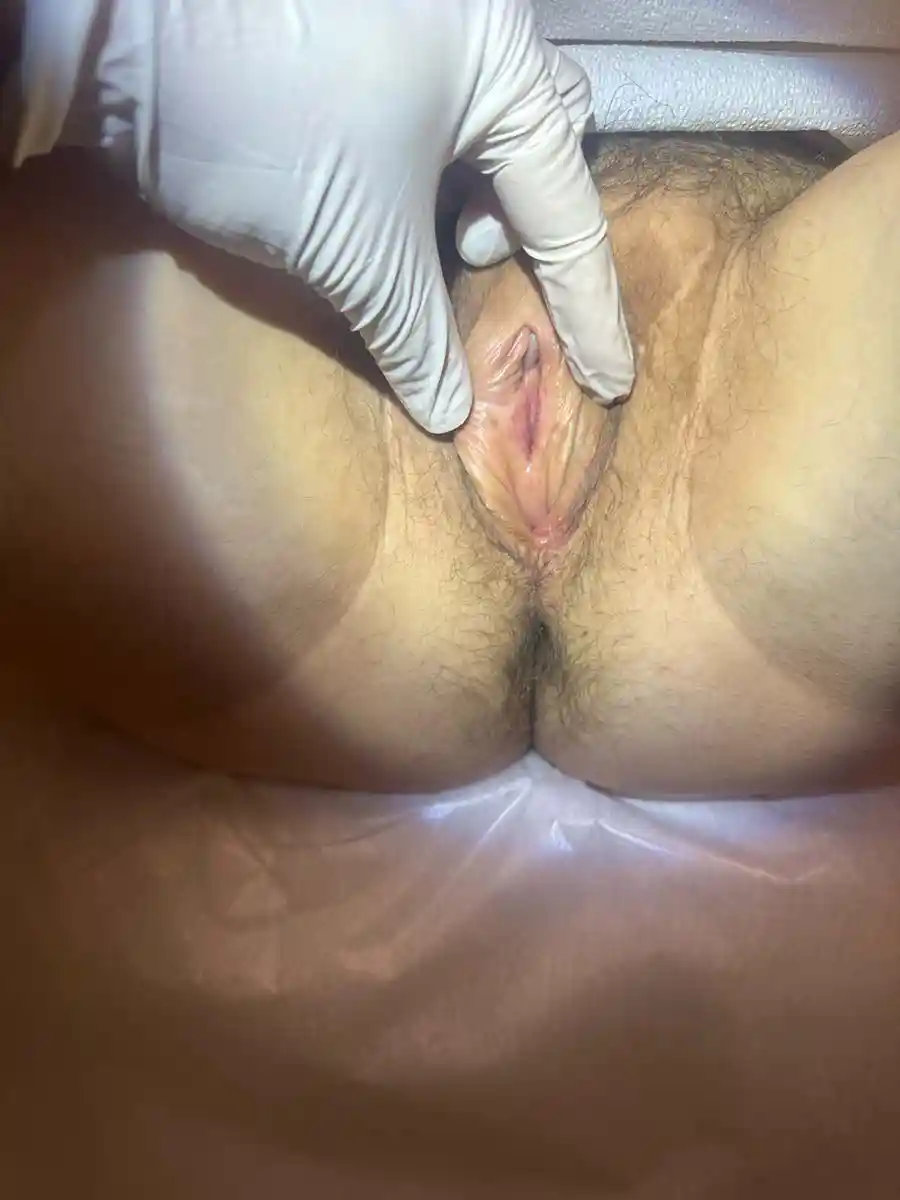
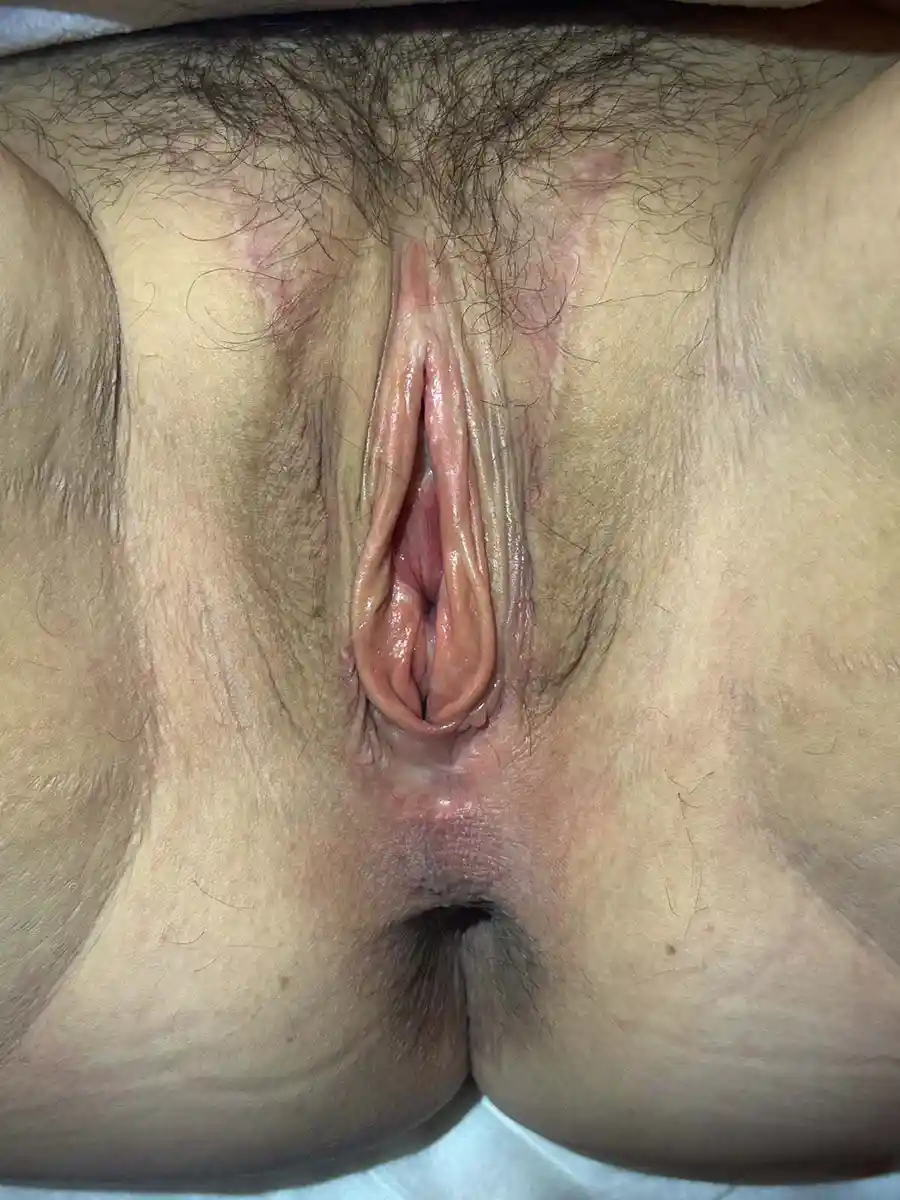
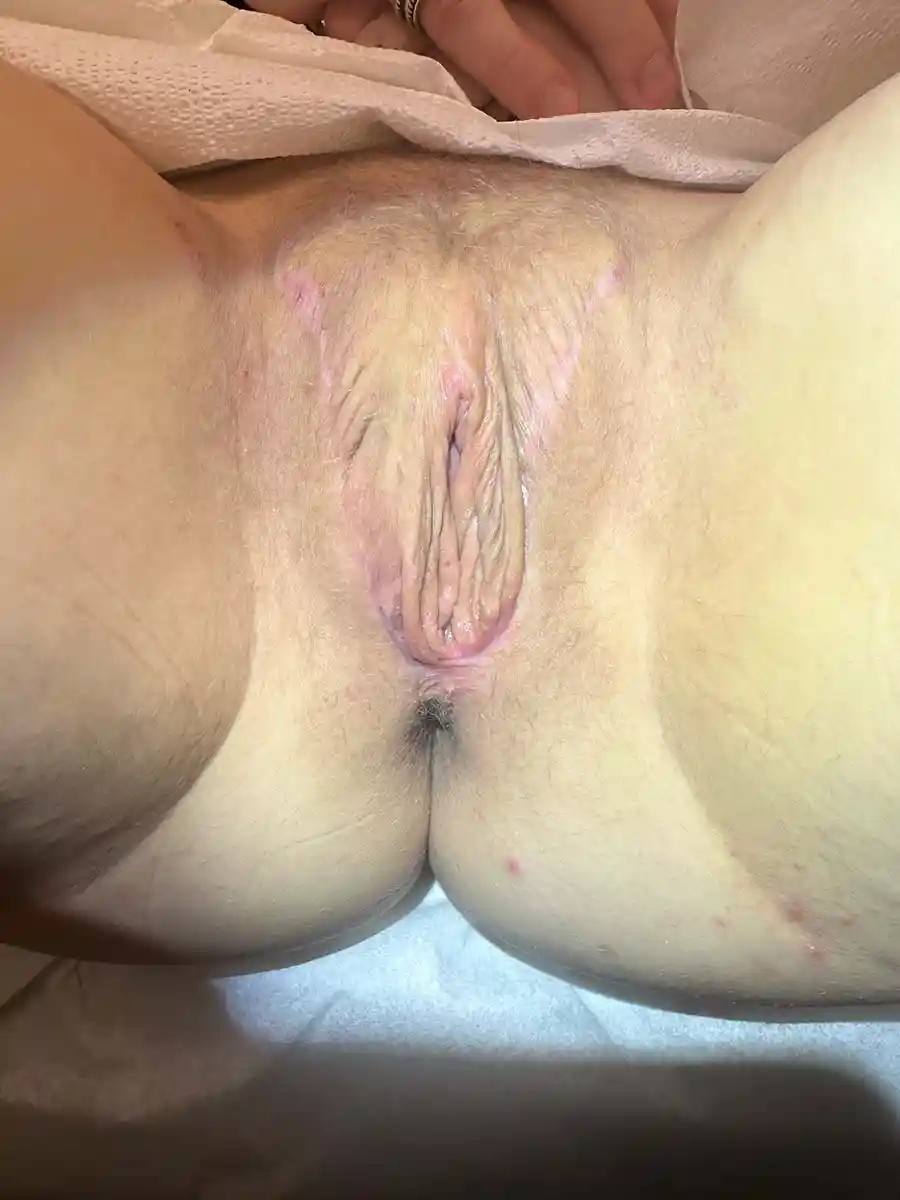
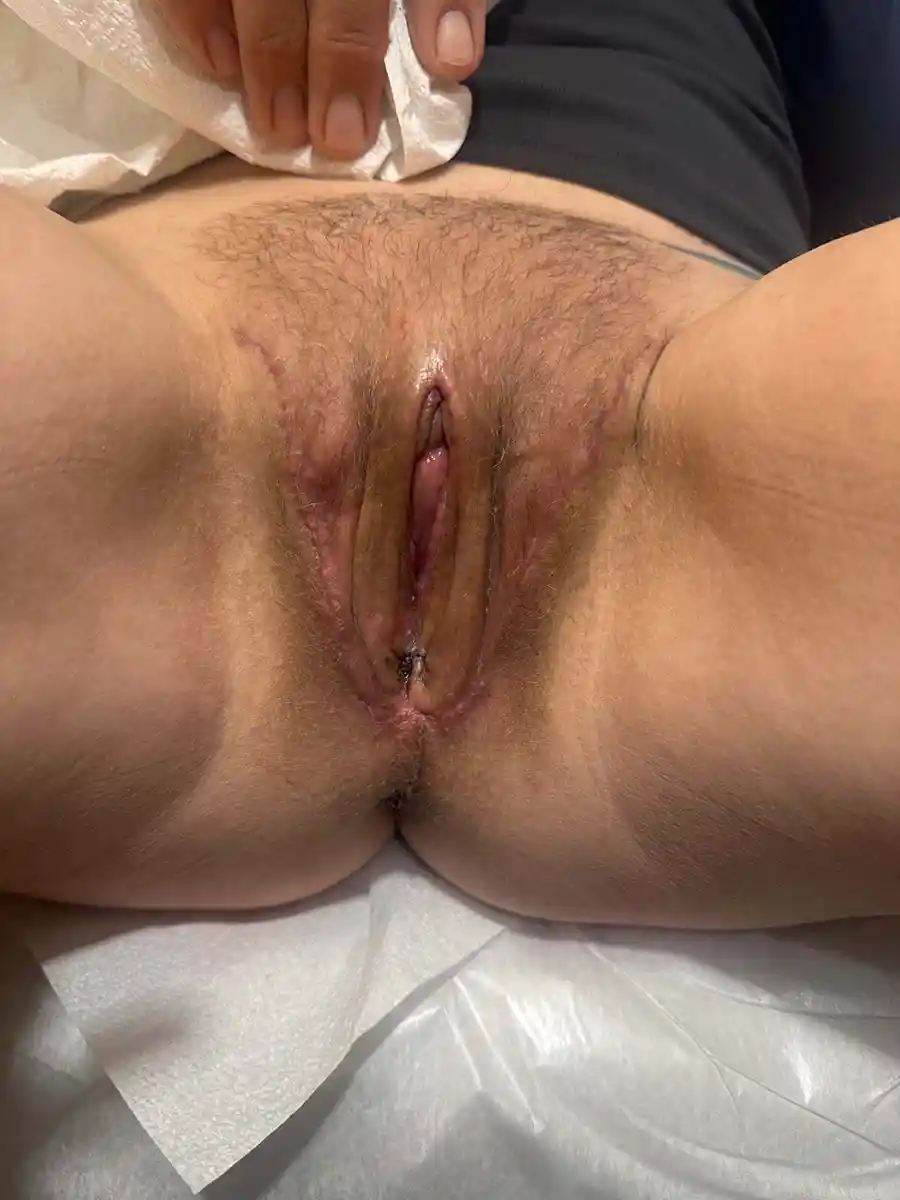
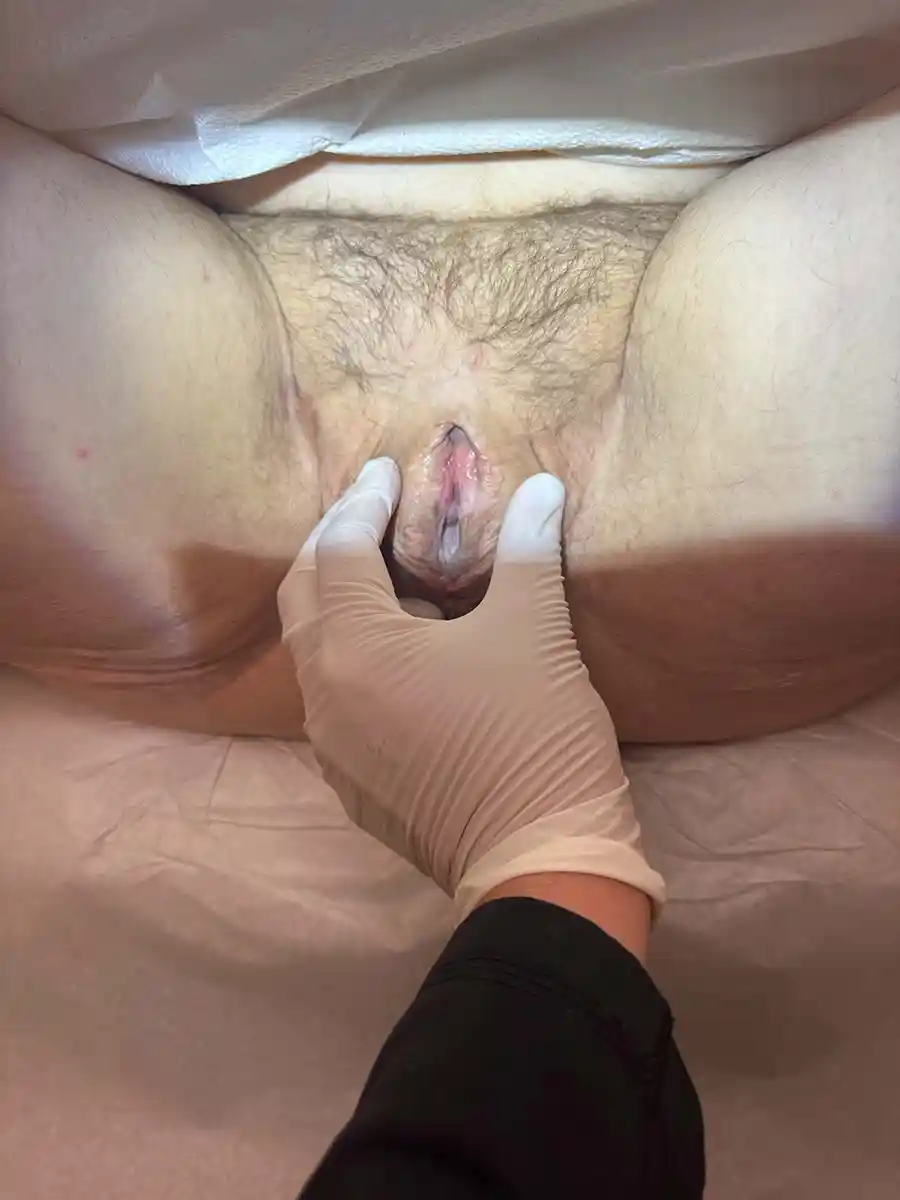
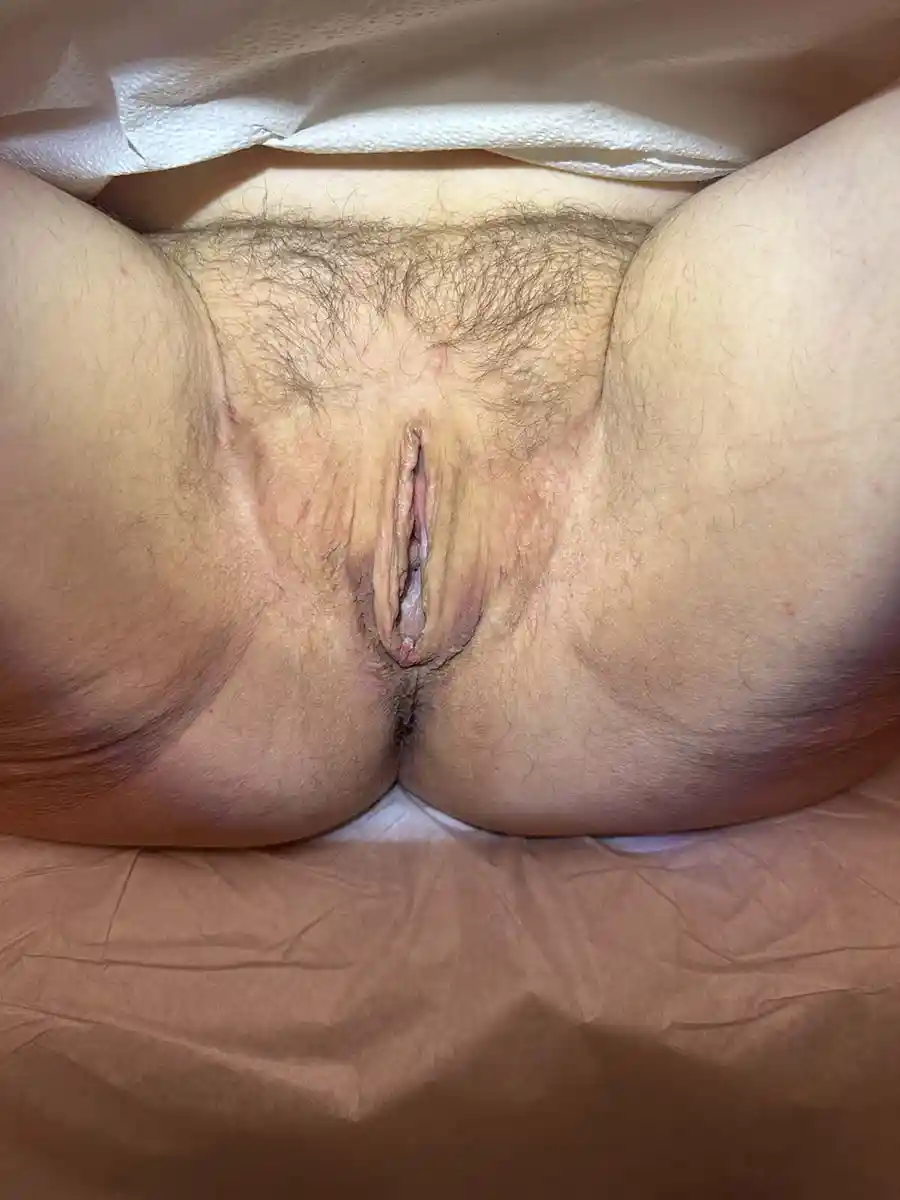
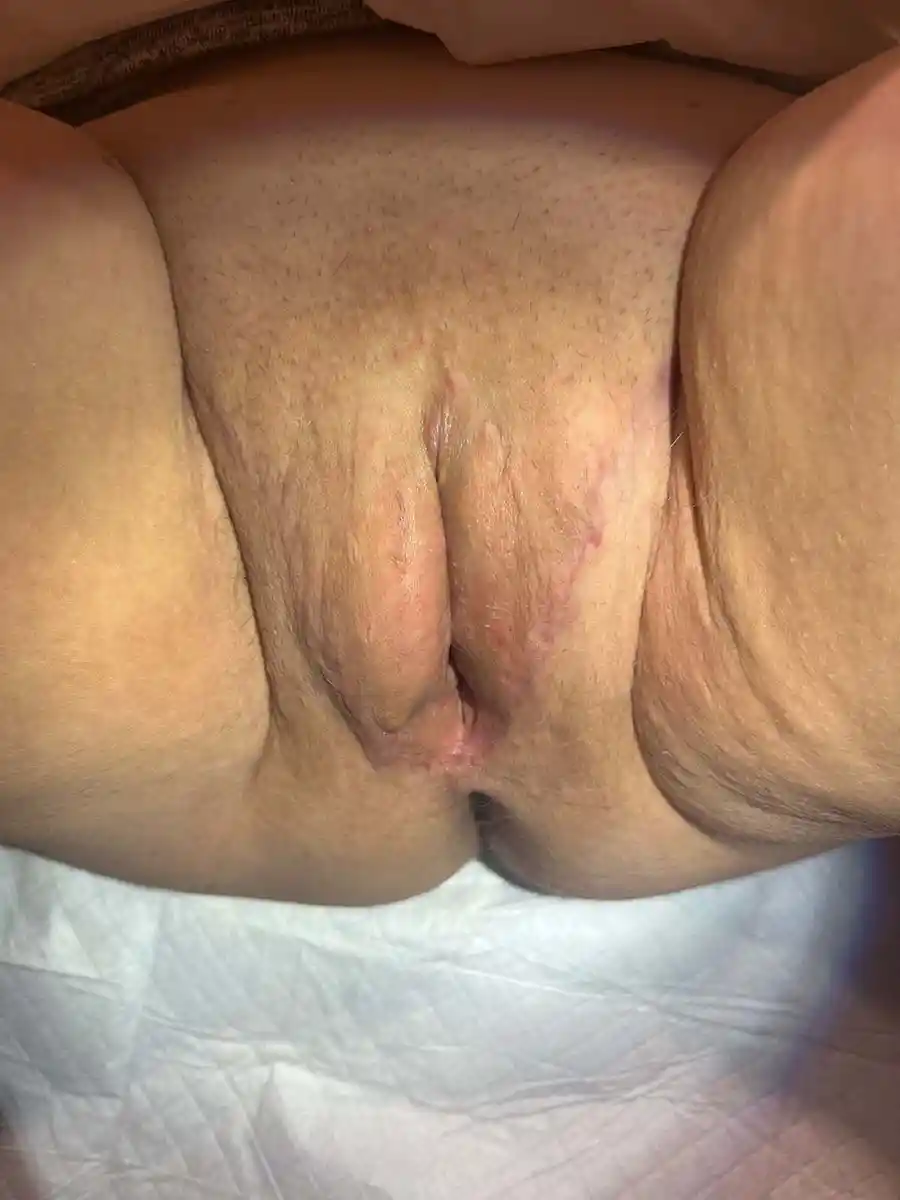
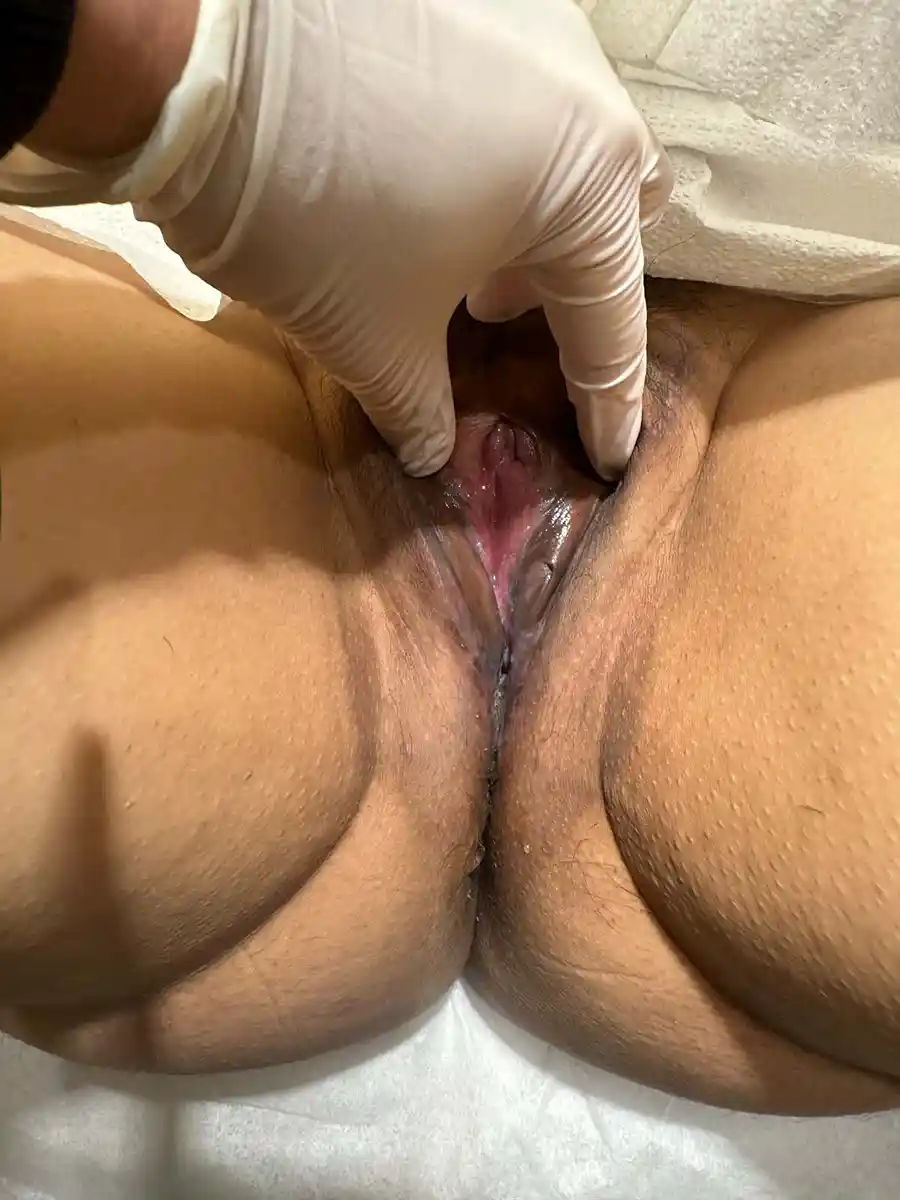
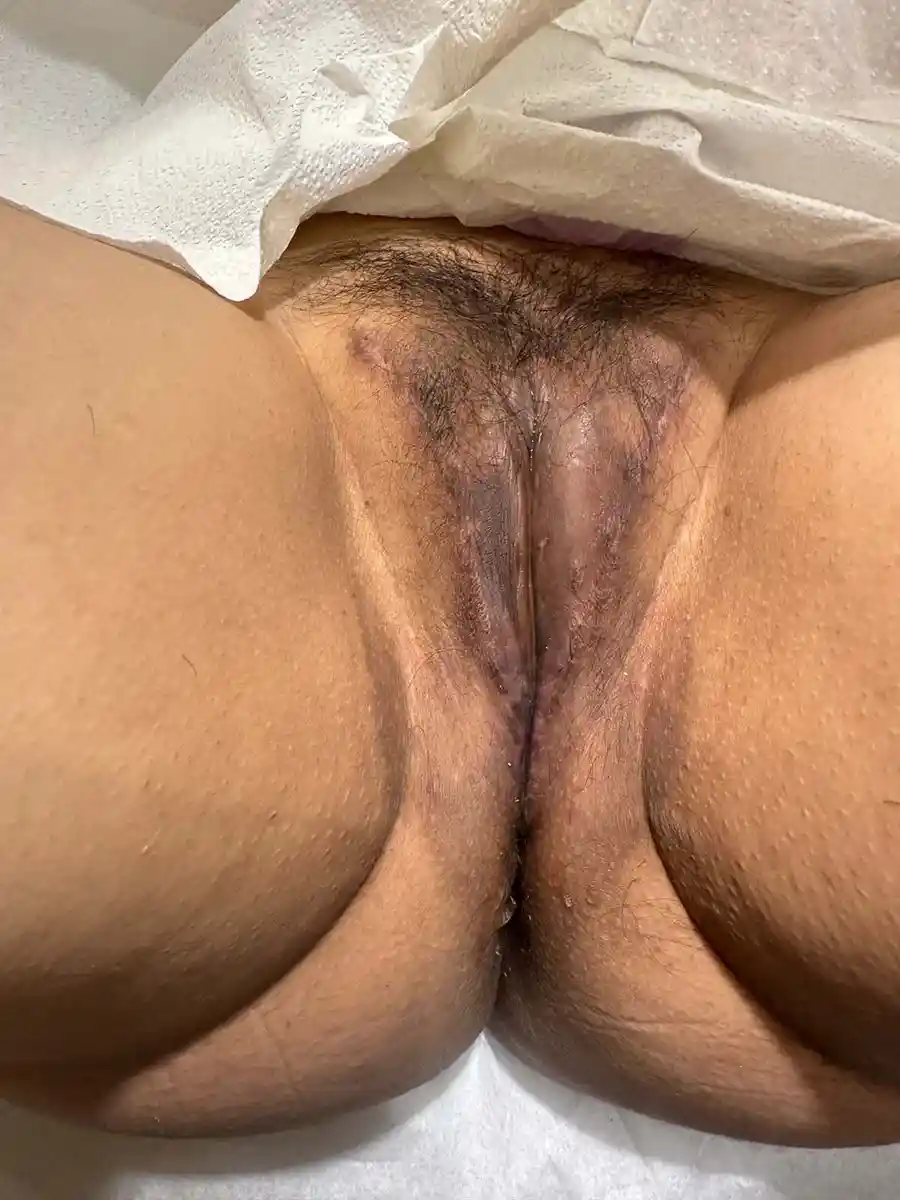
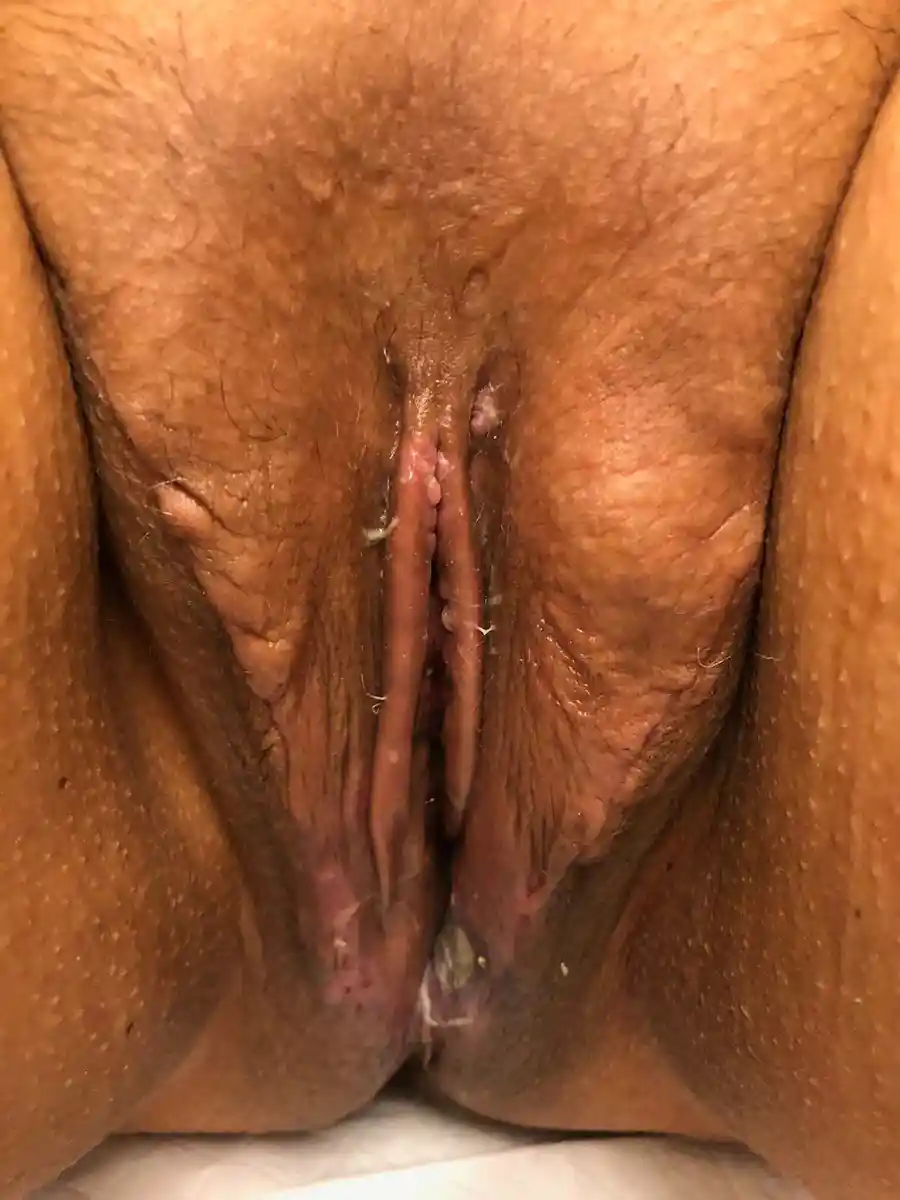
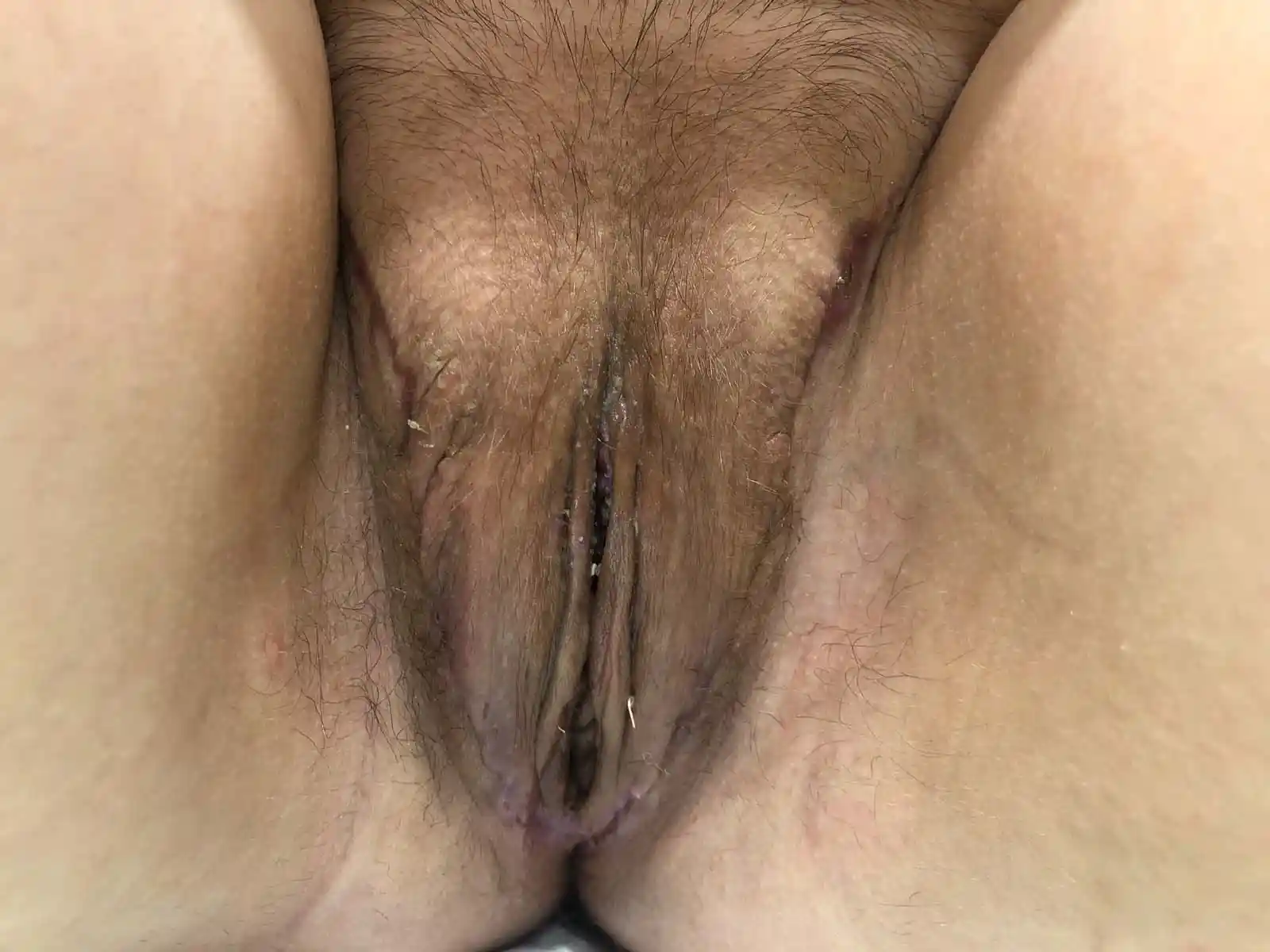
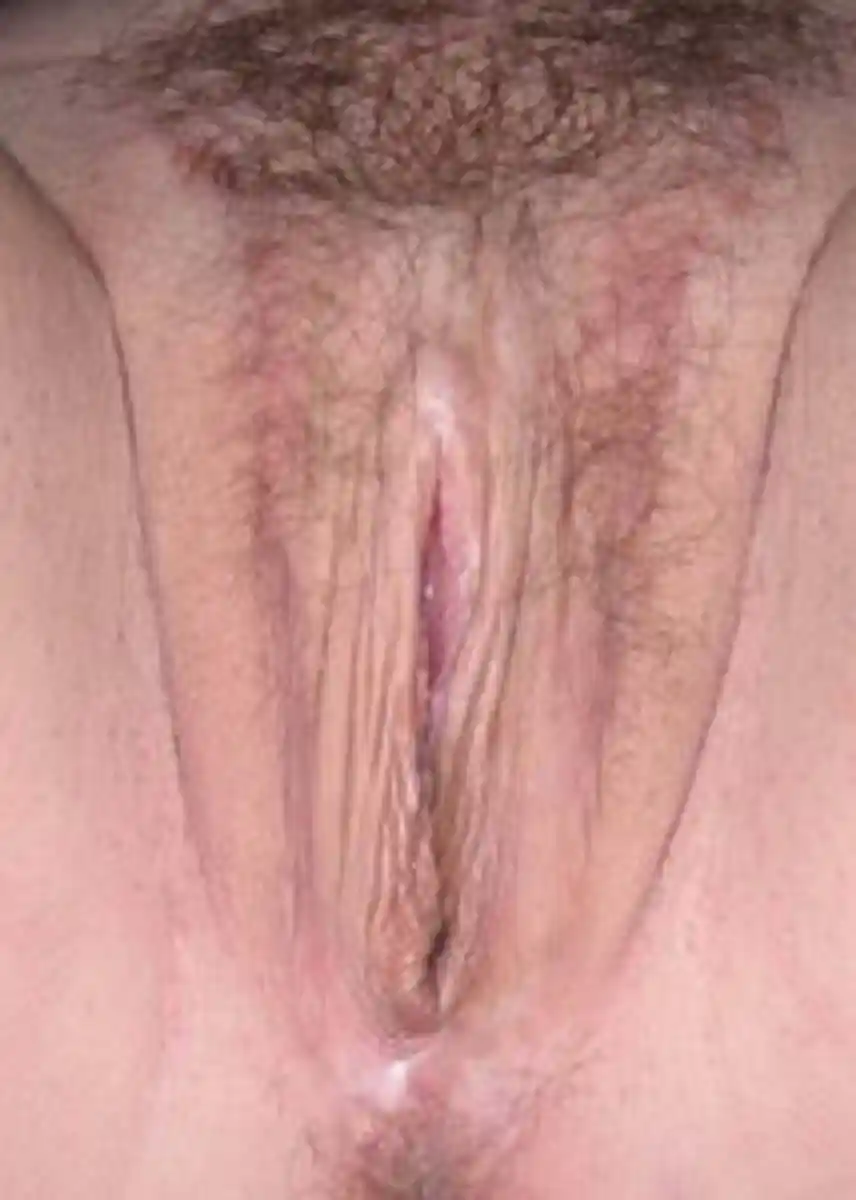
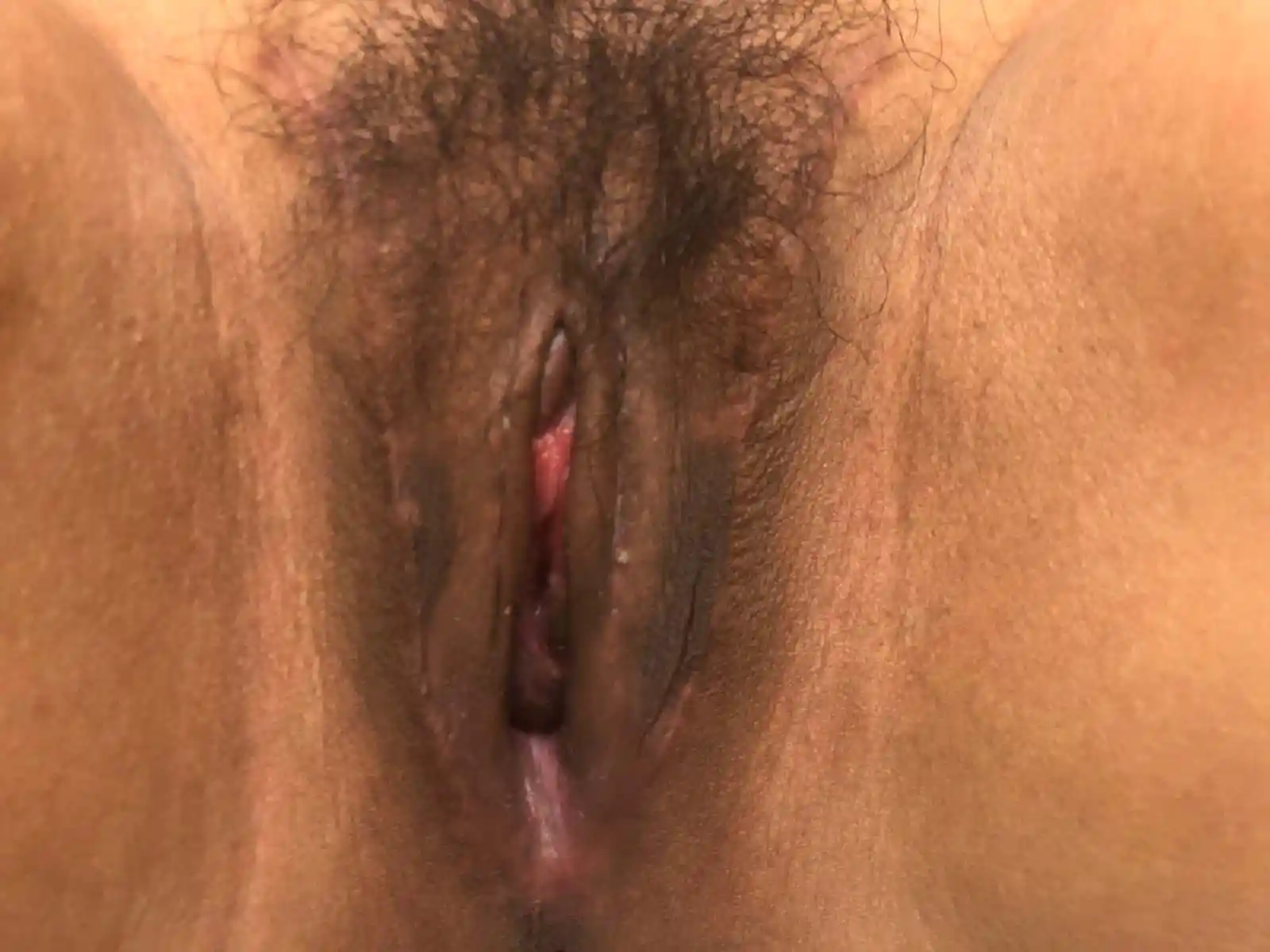
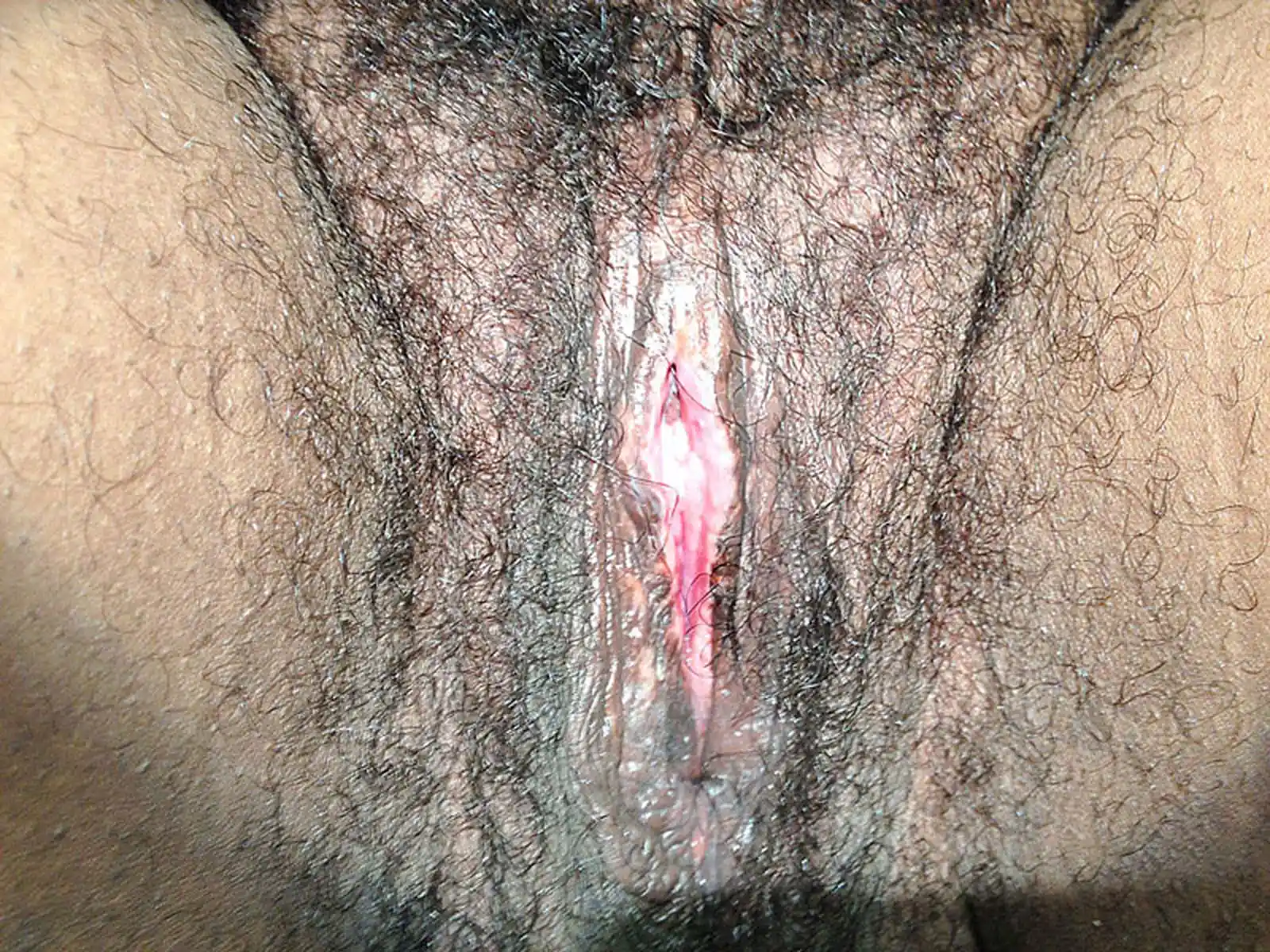
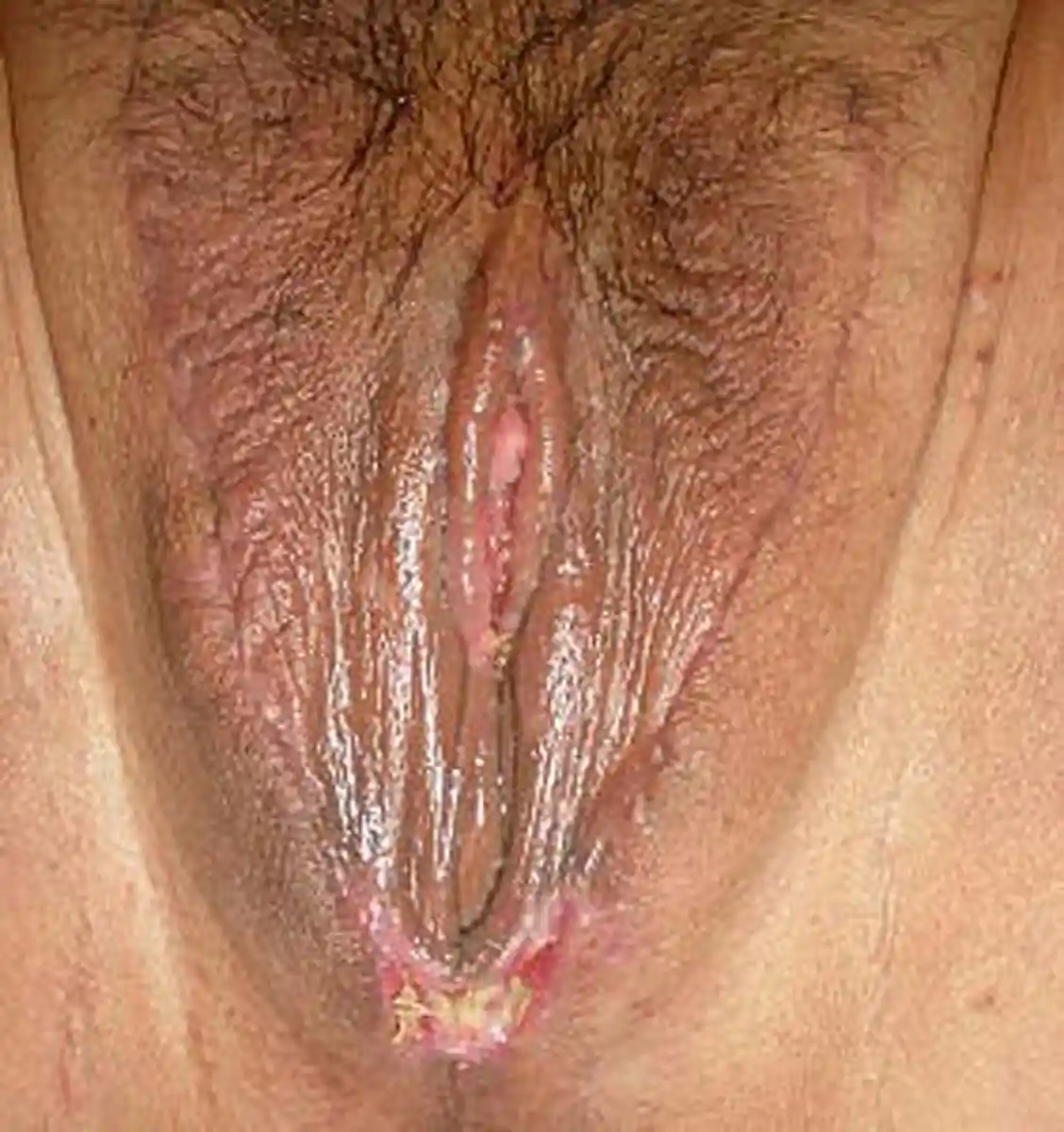
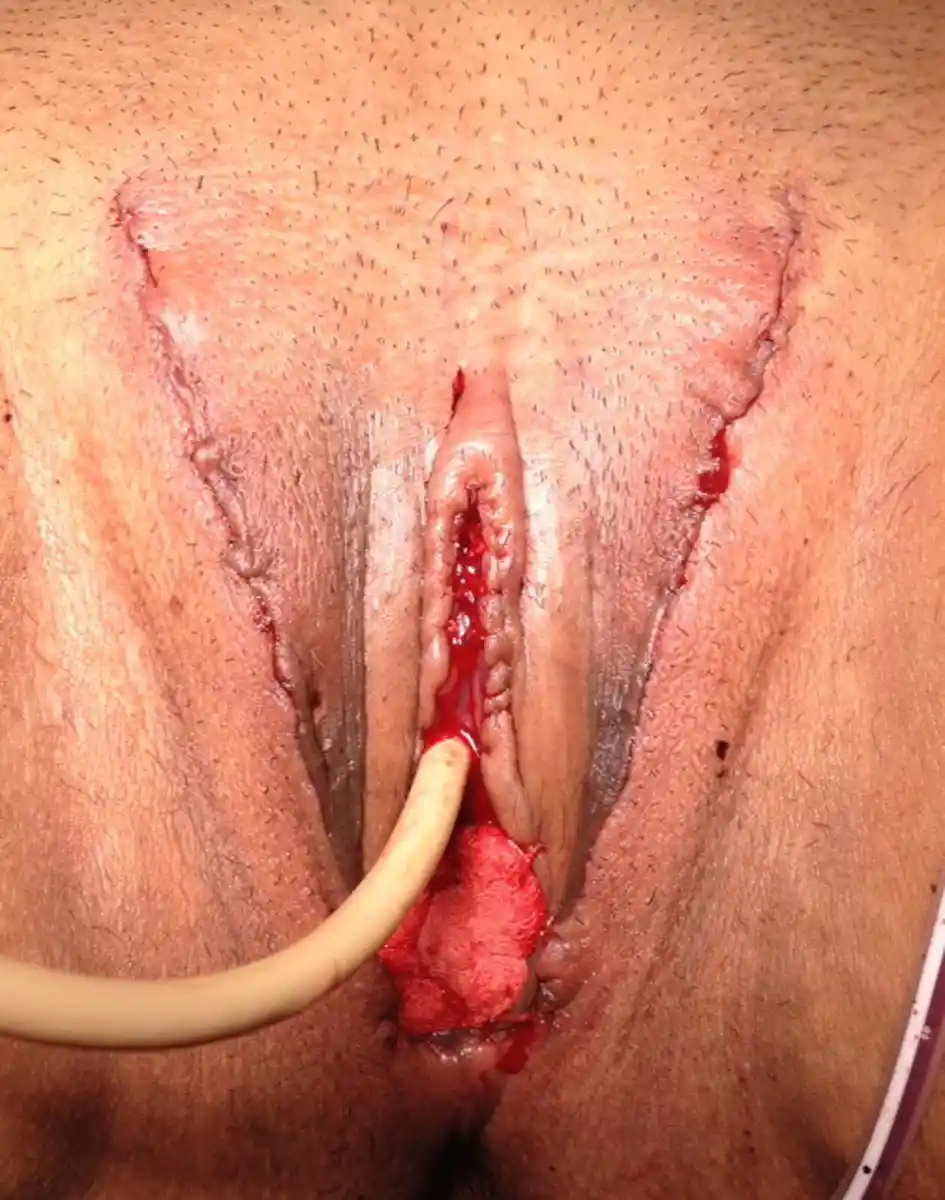
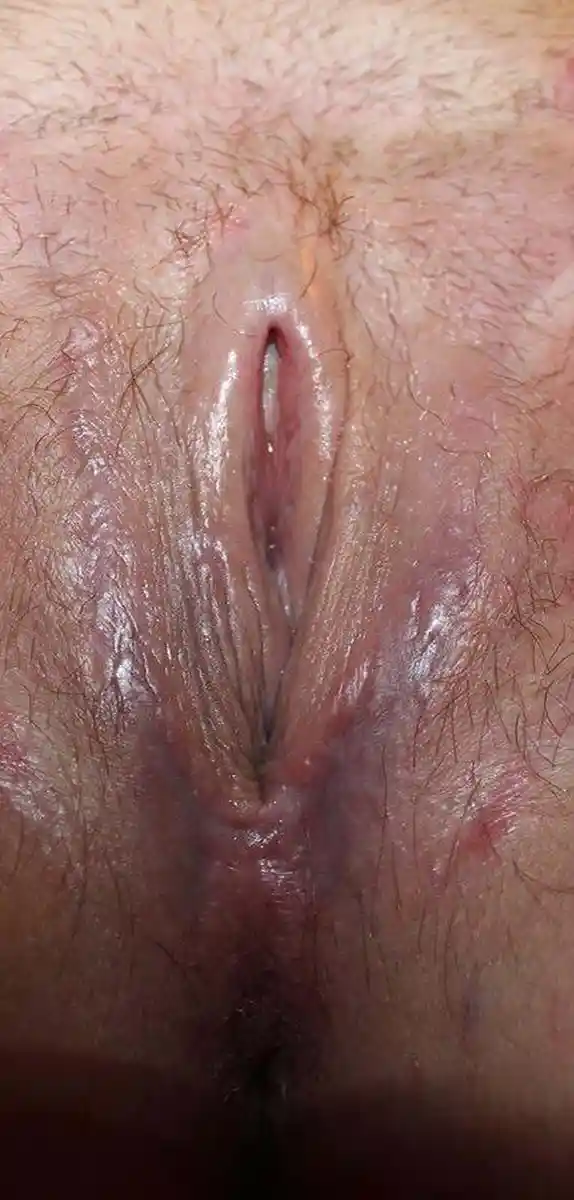
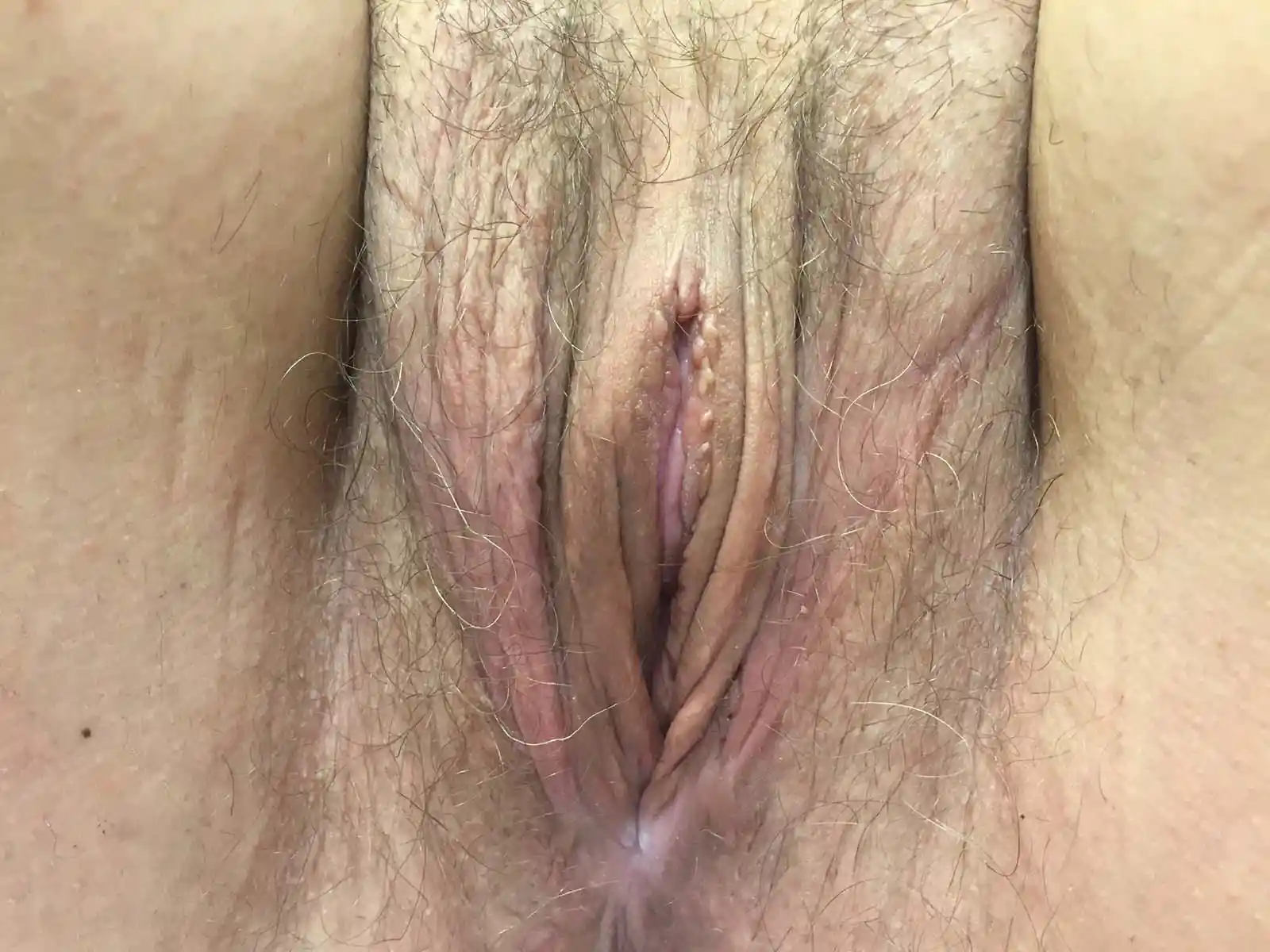
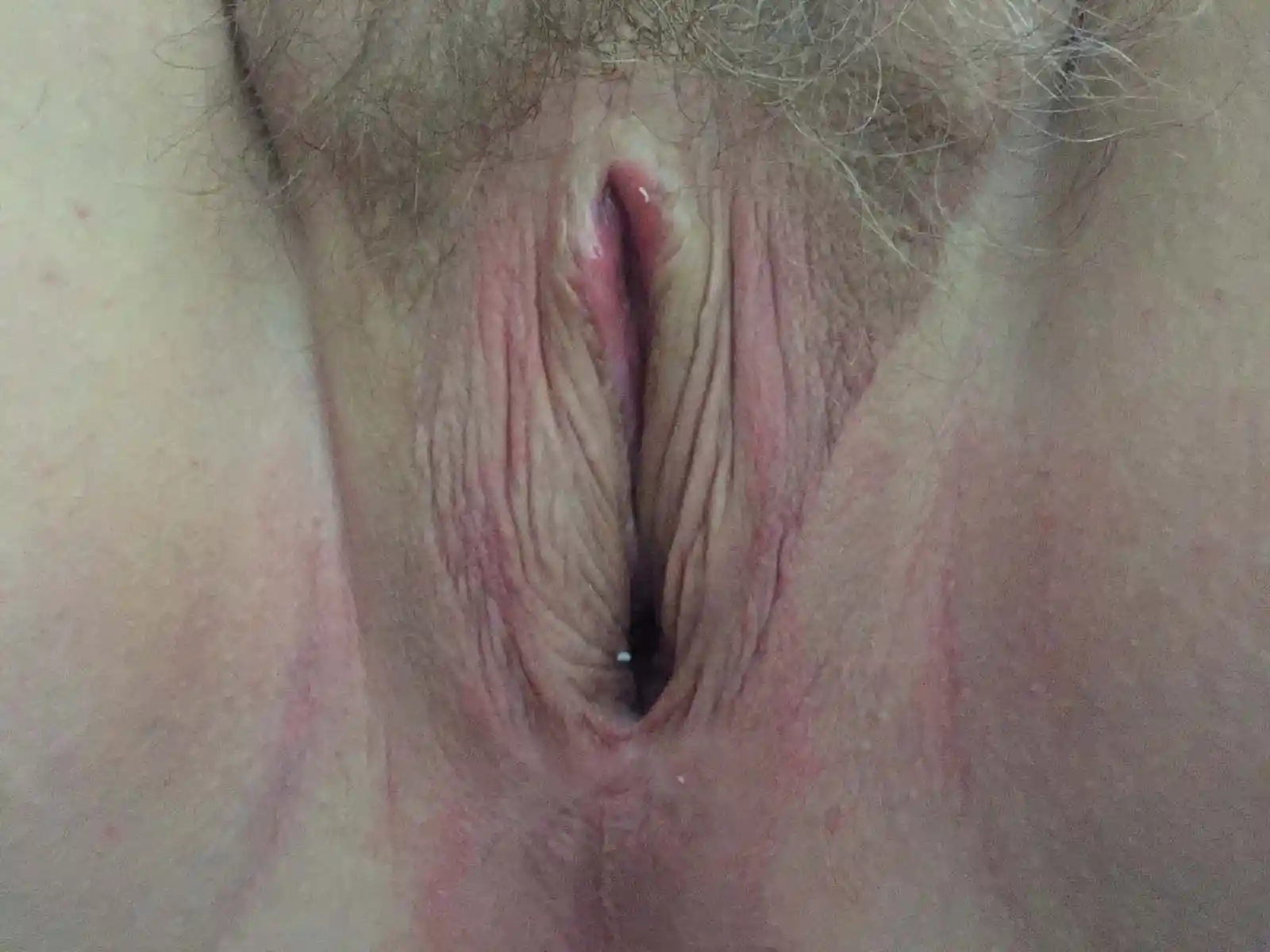
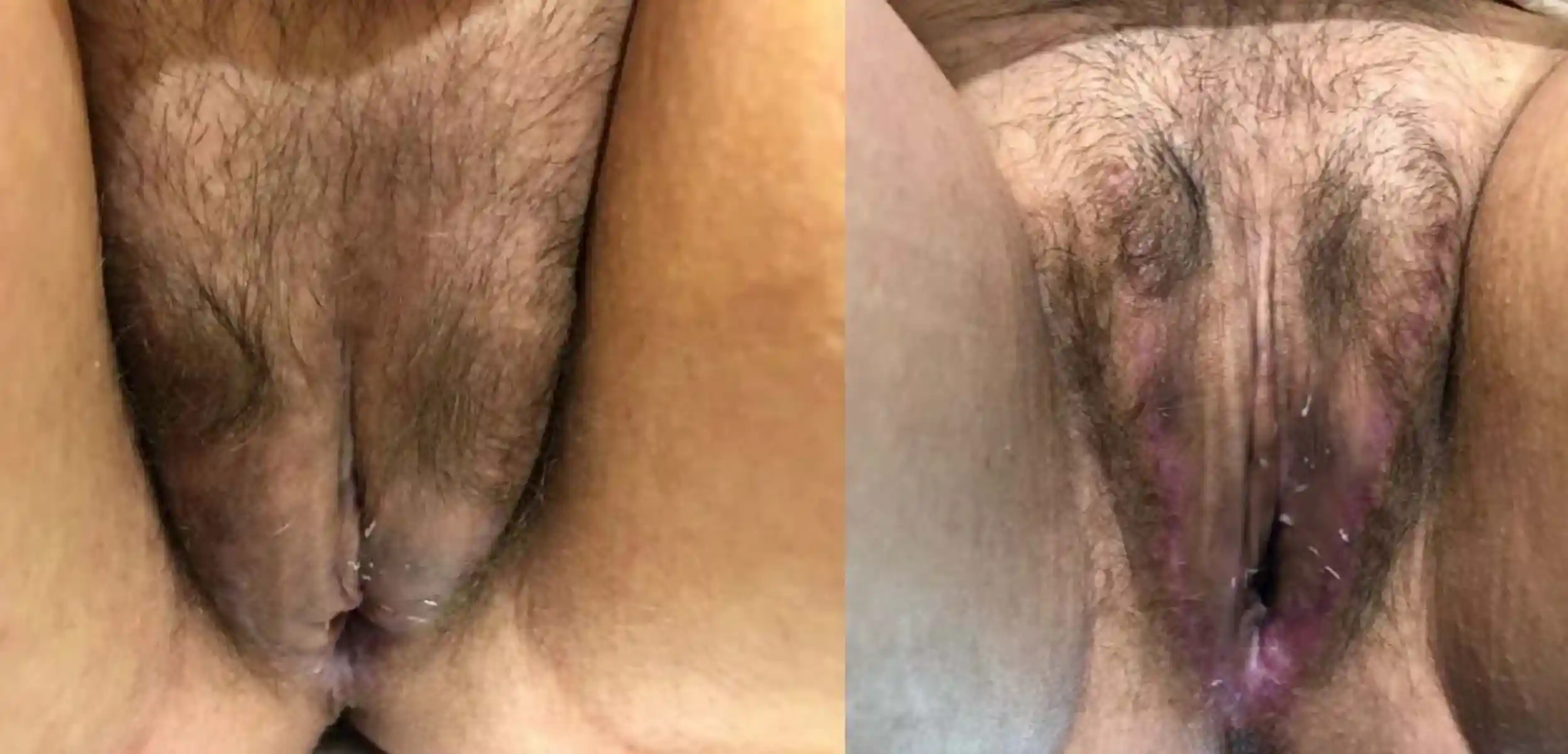
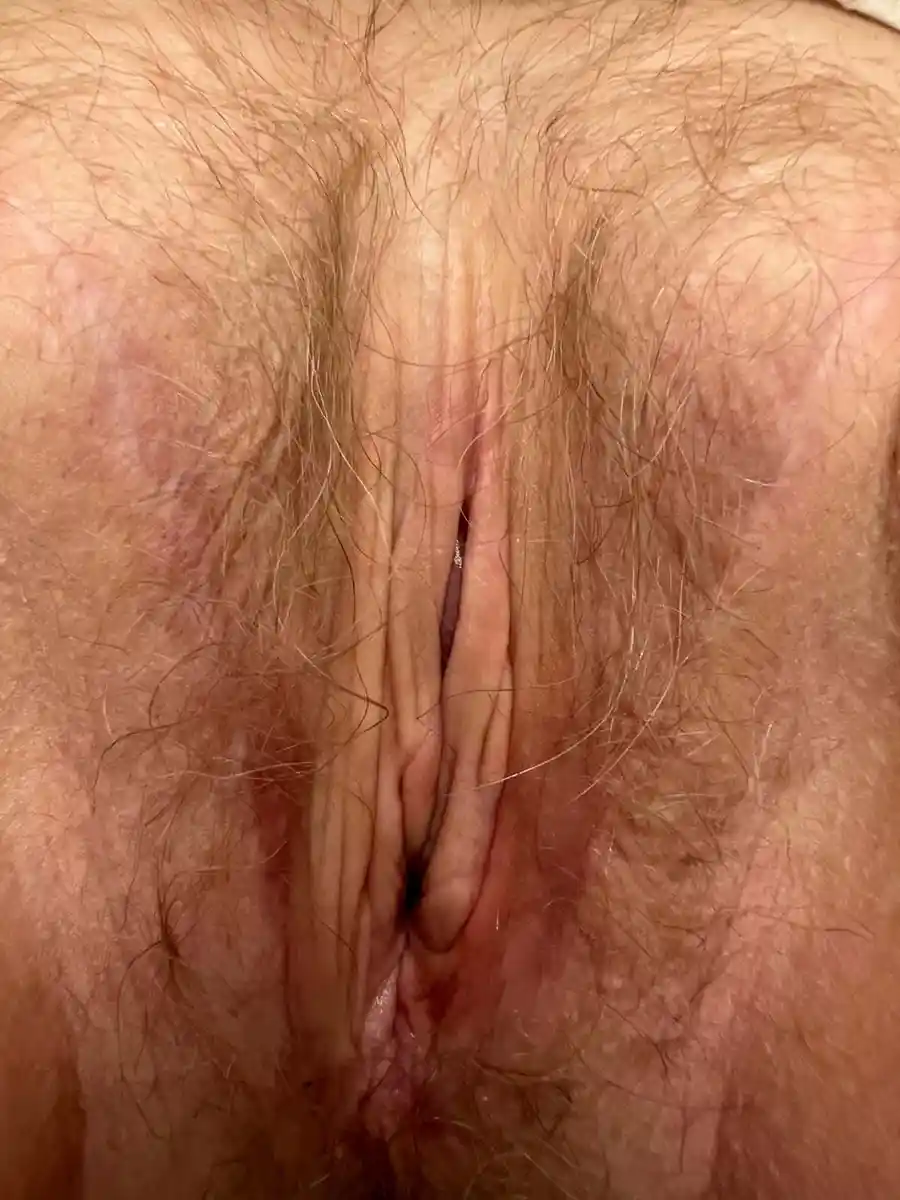
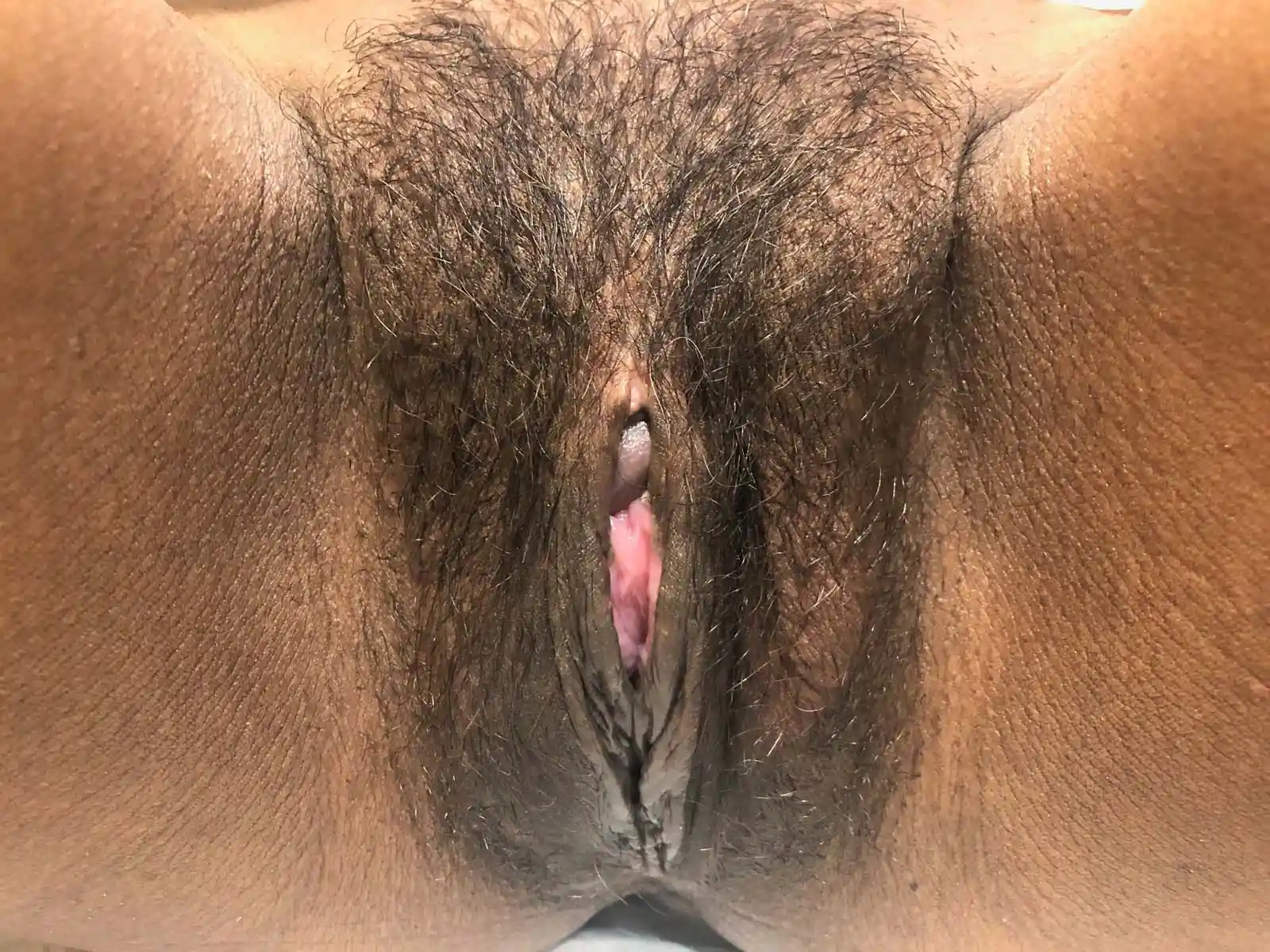
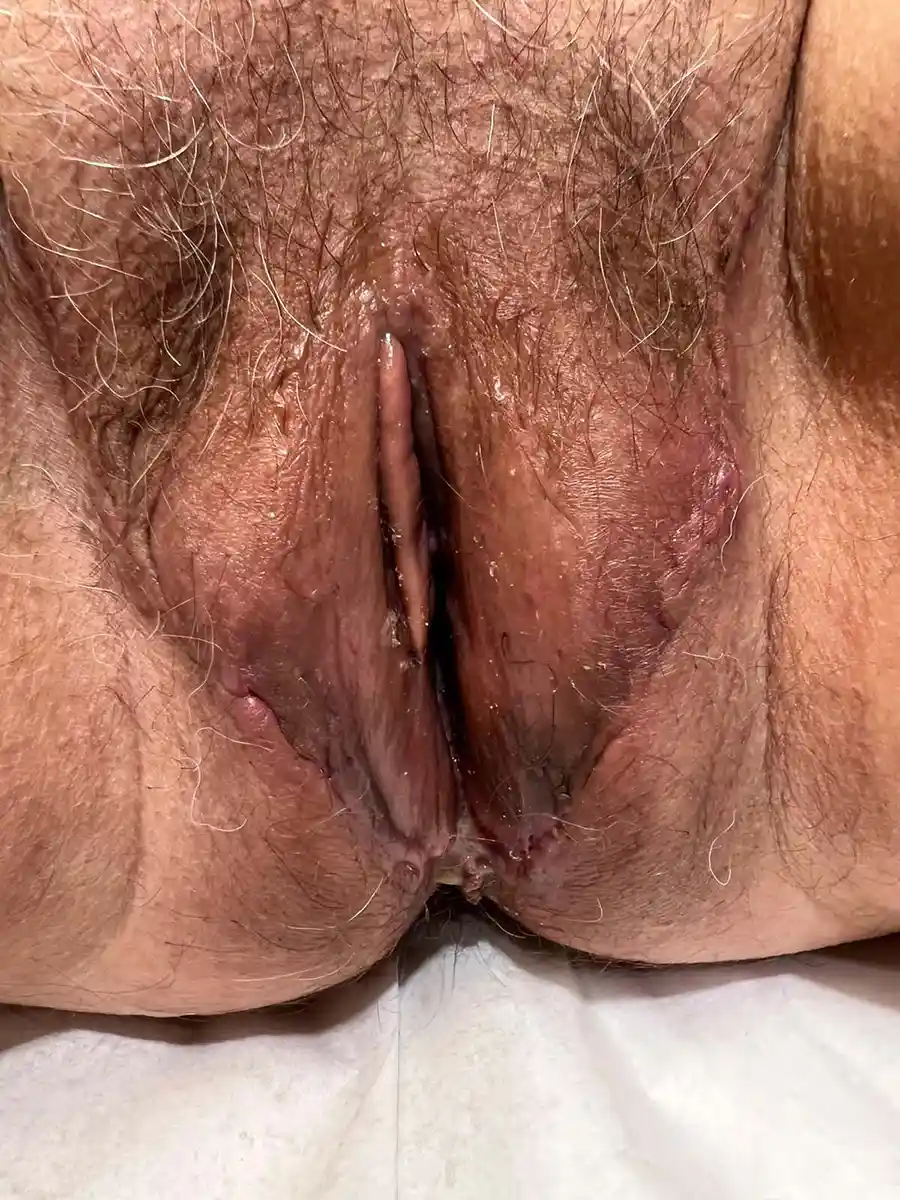
V. Surgical Results Gallery
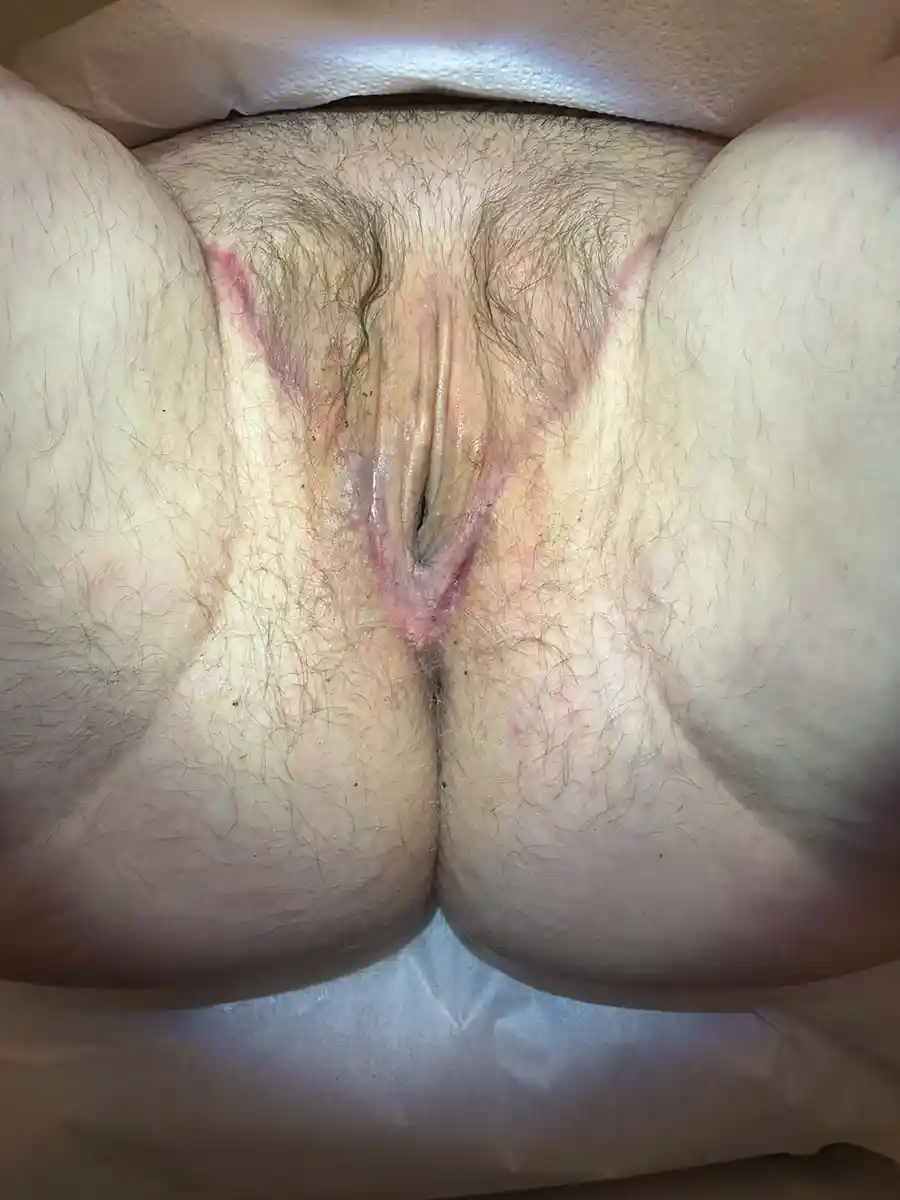
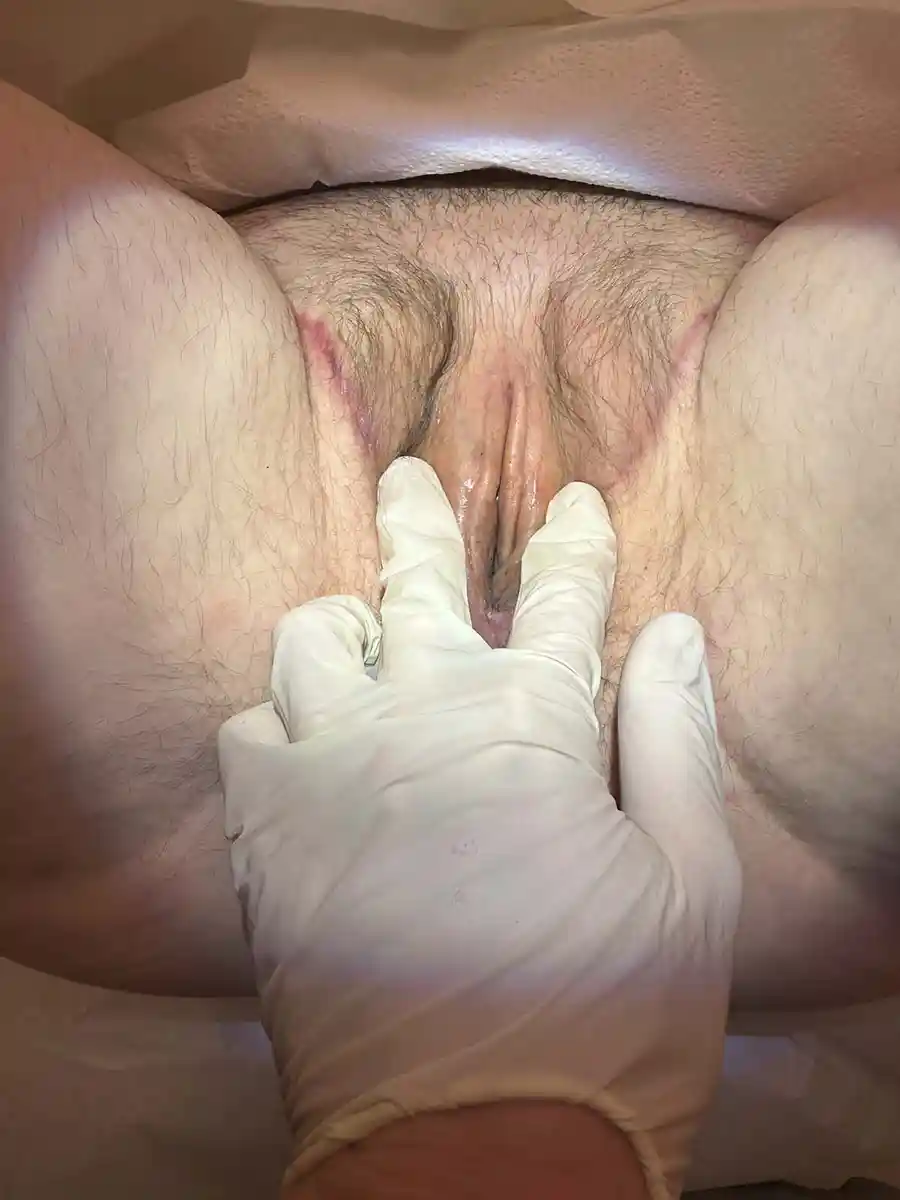
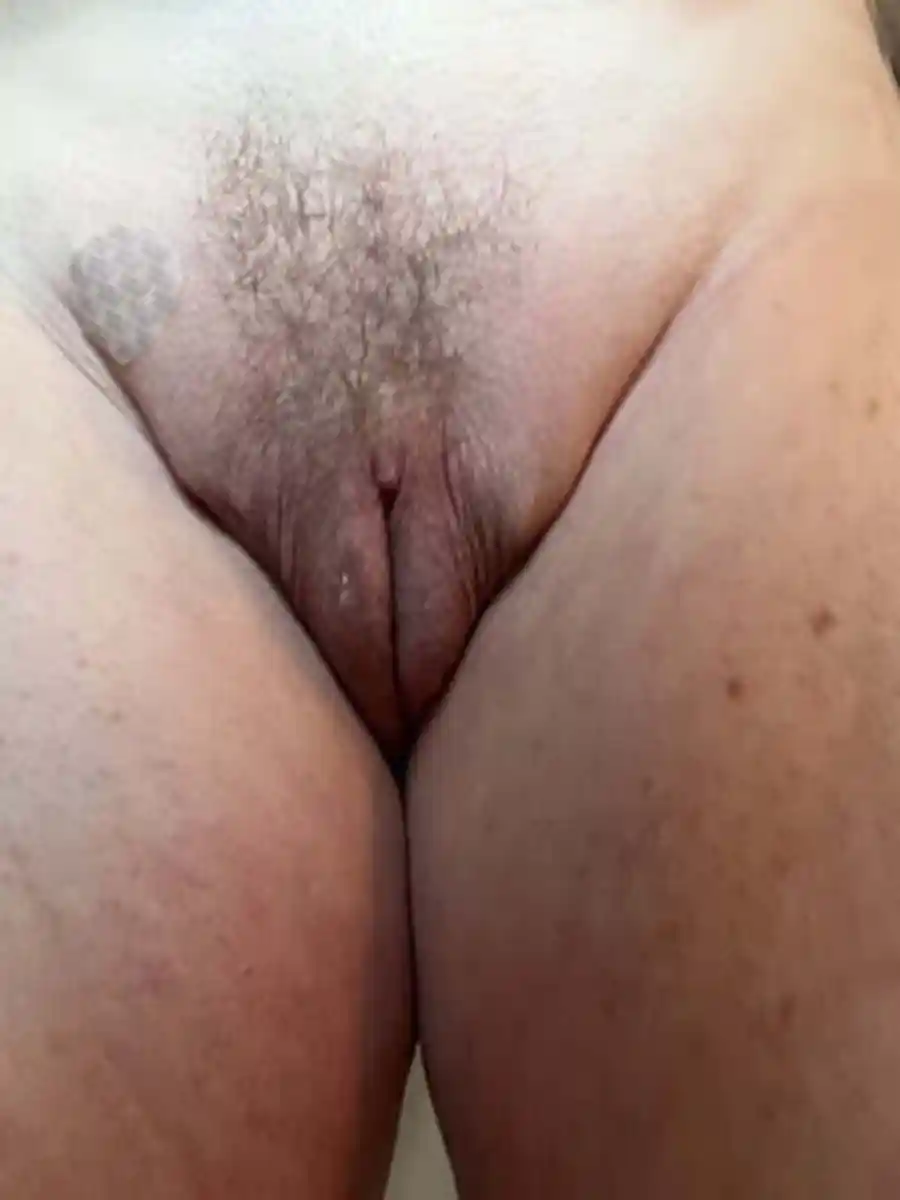
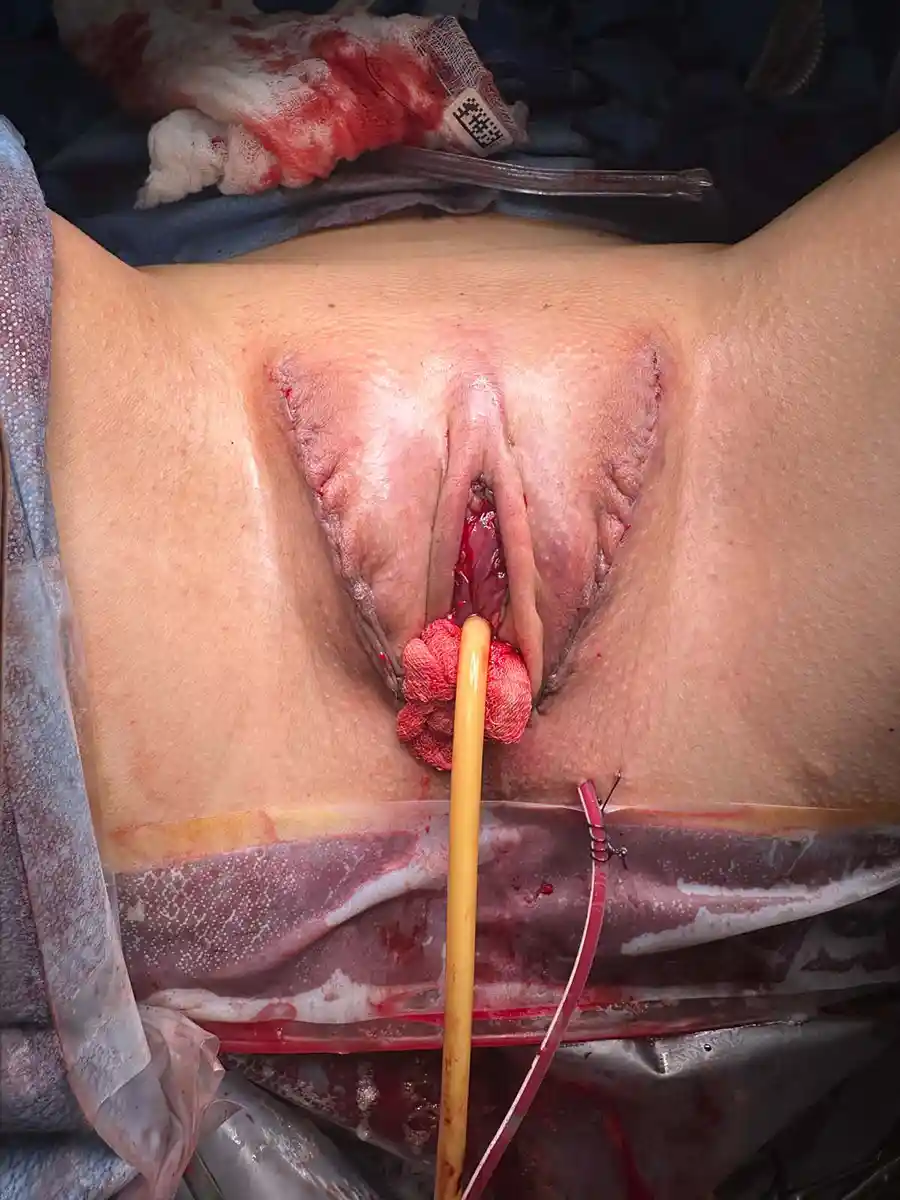
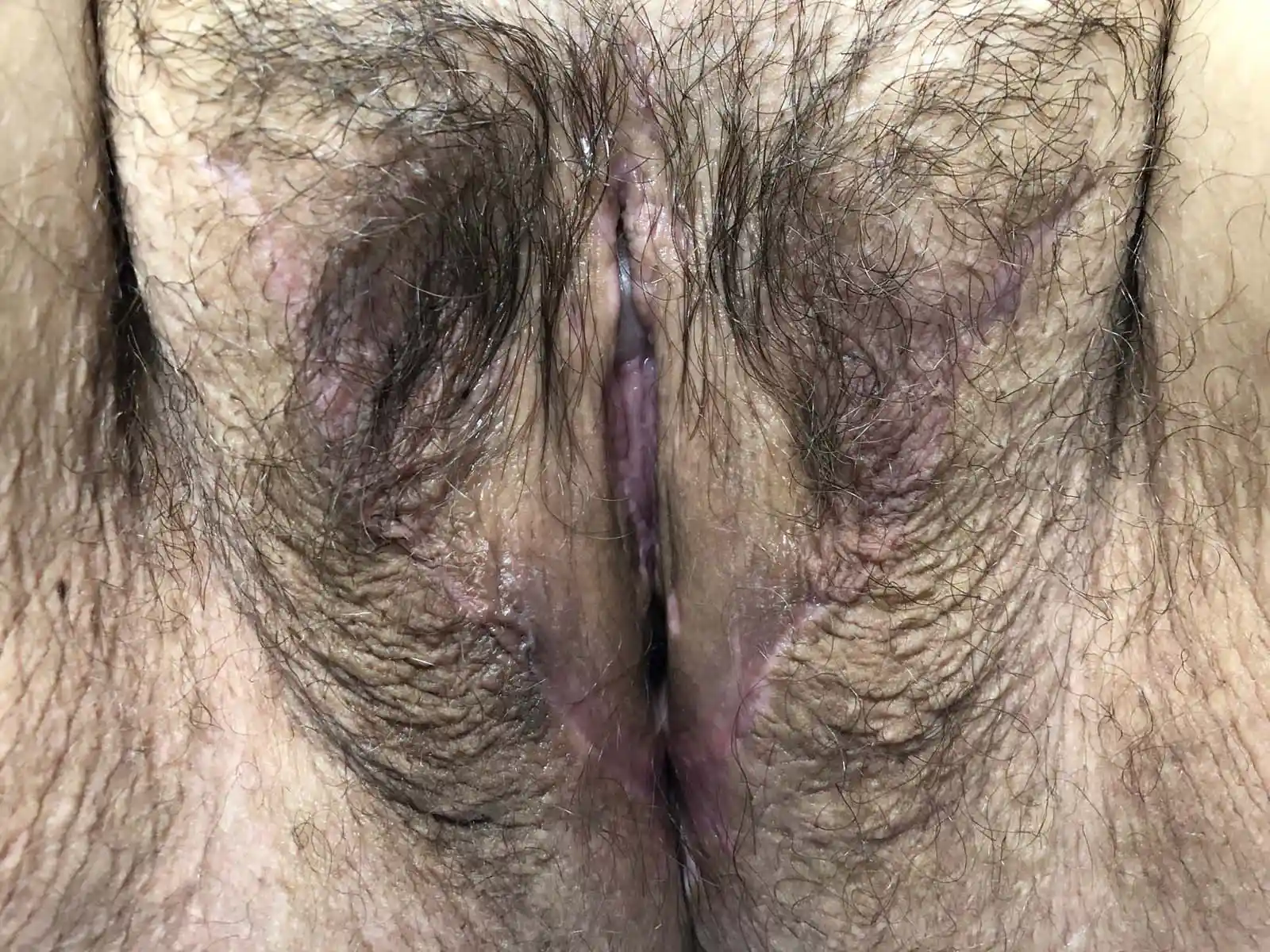
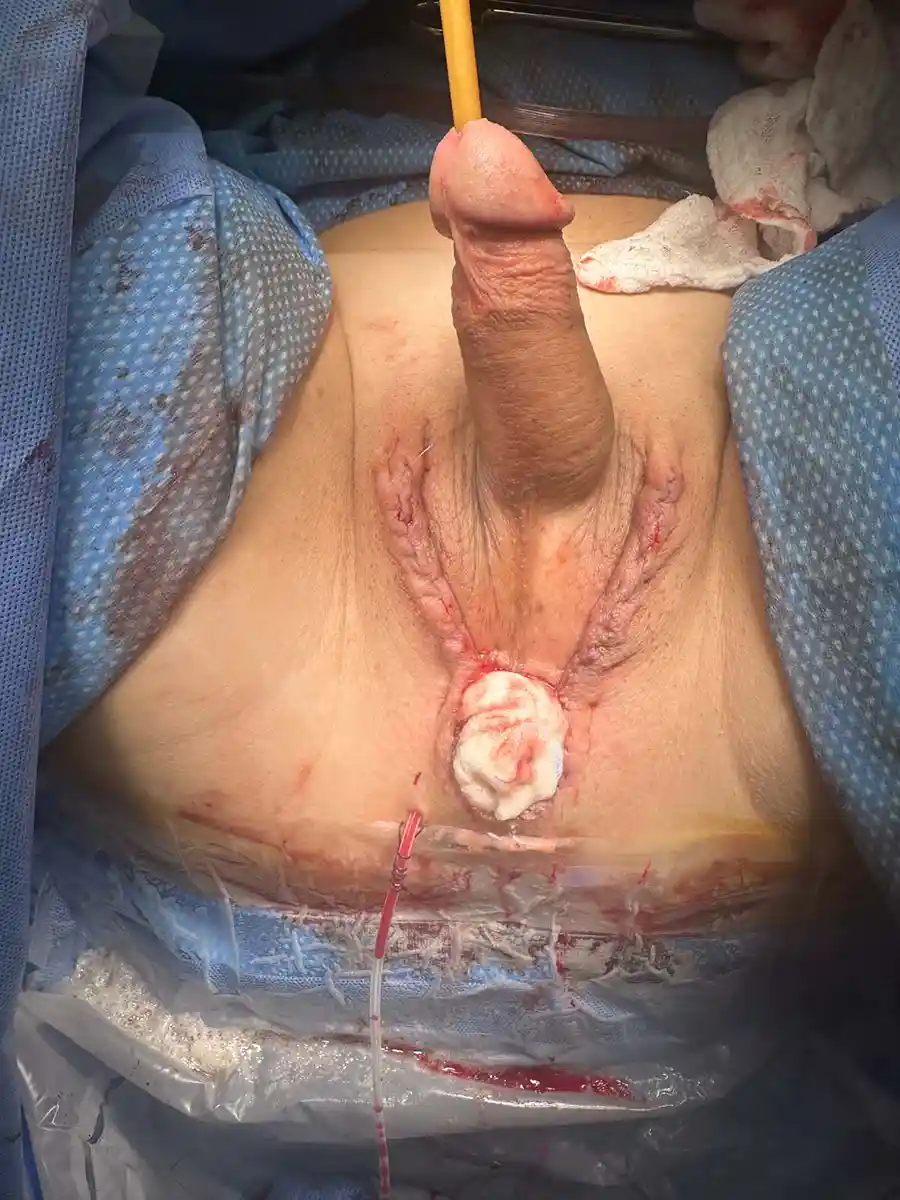
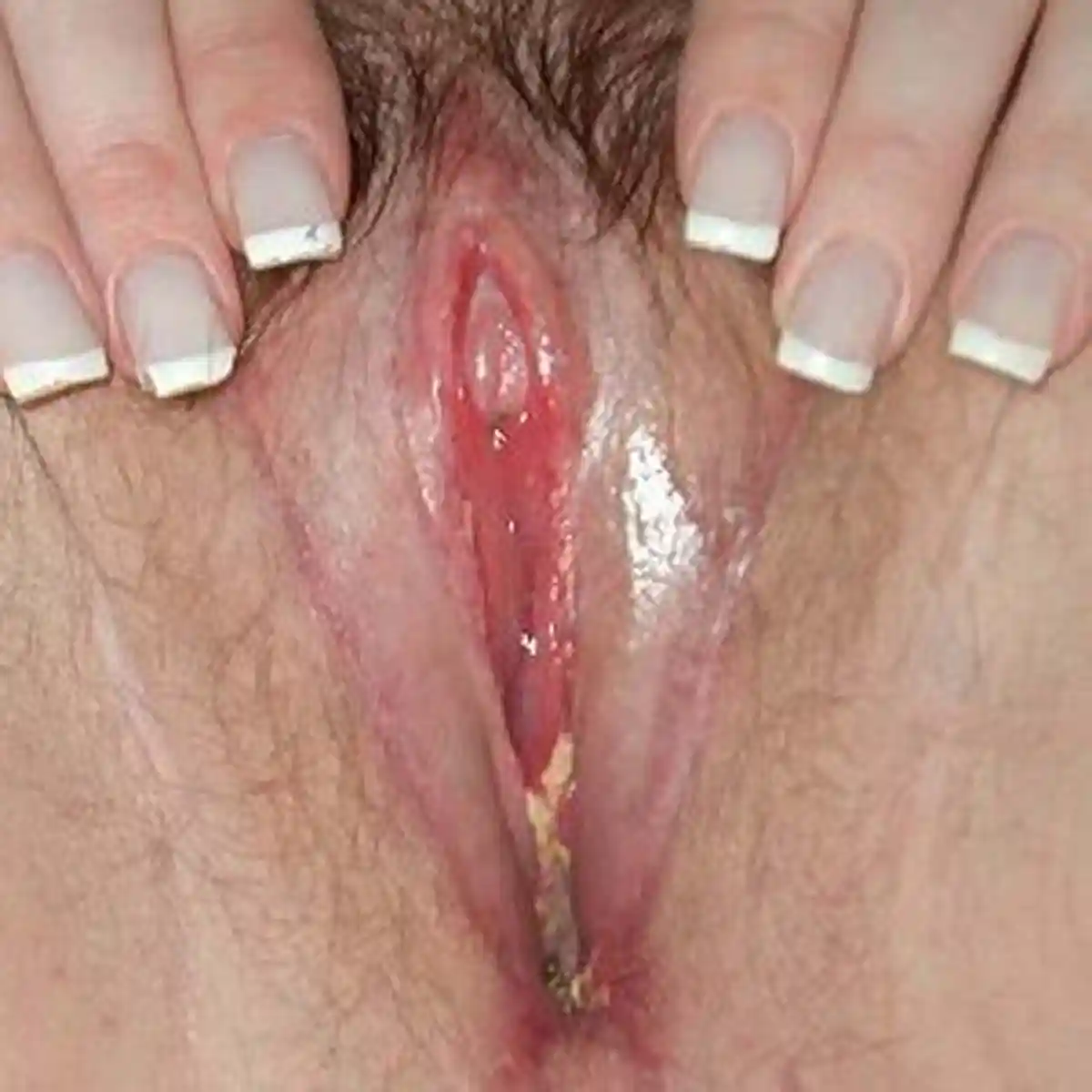
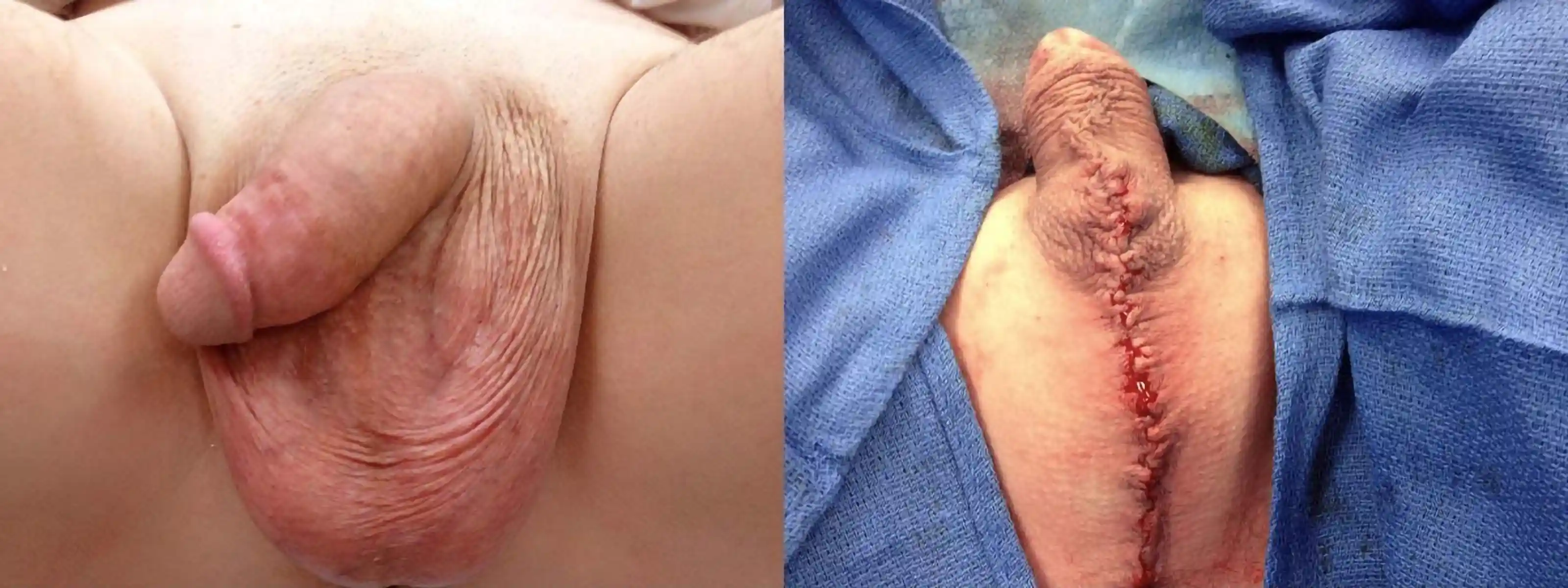
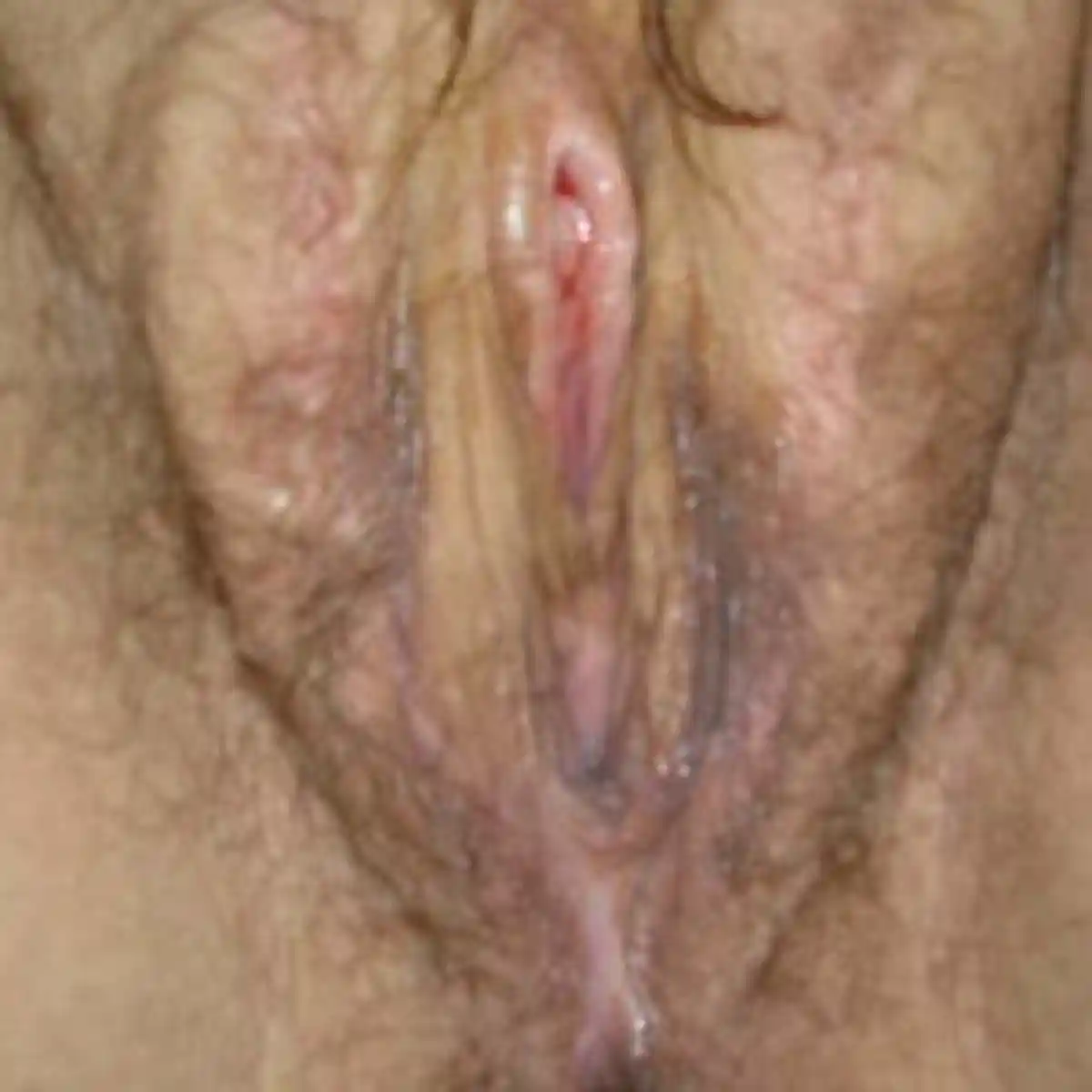
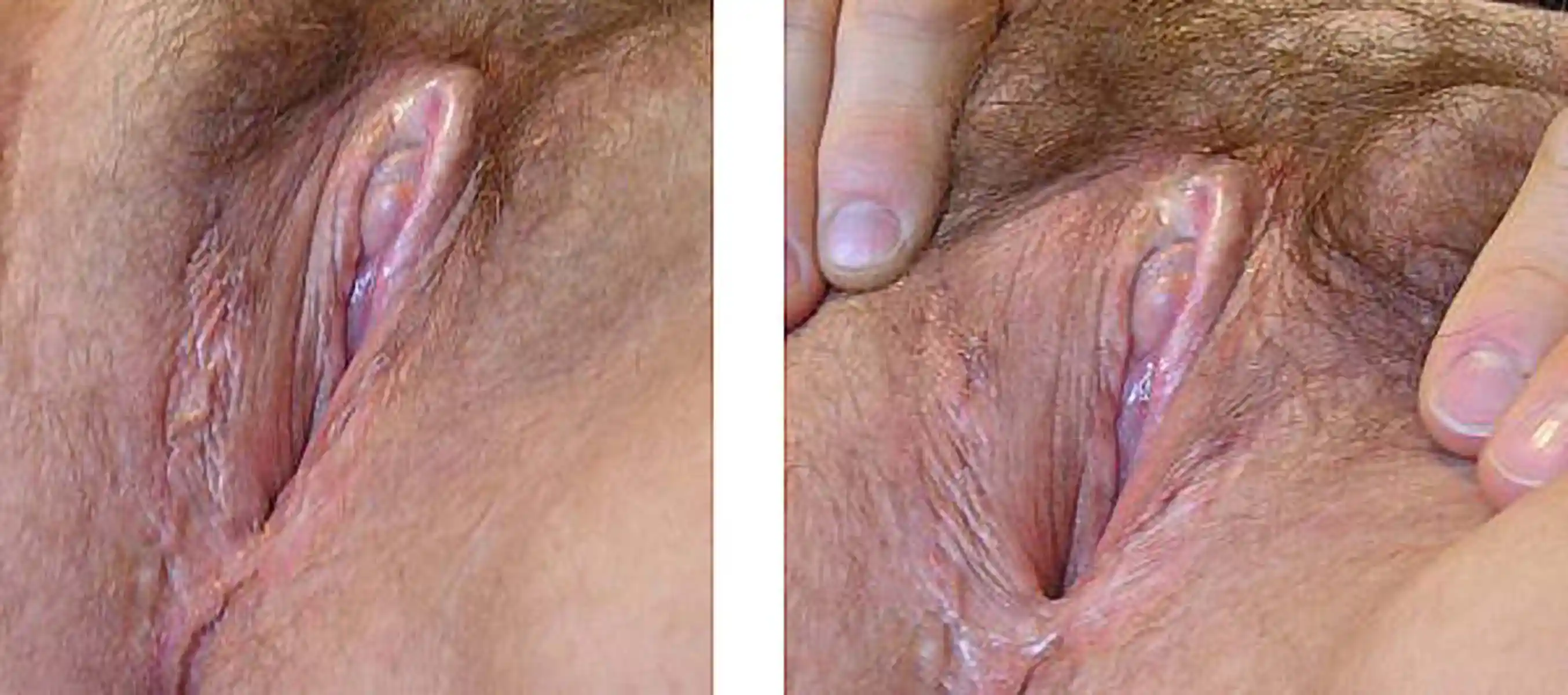
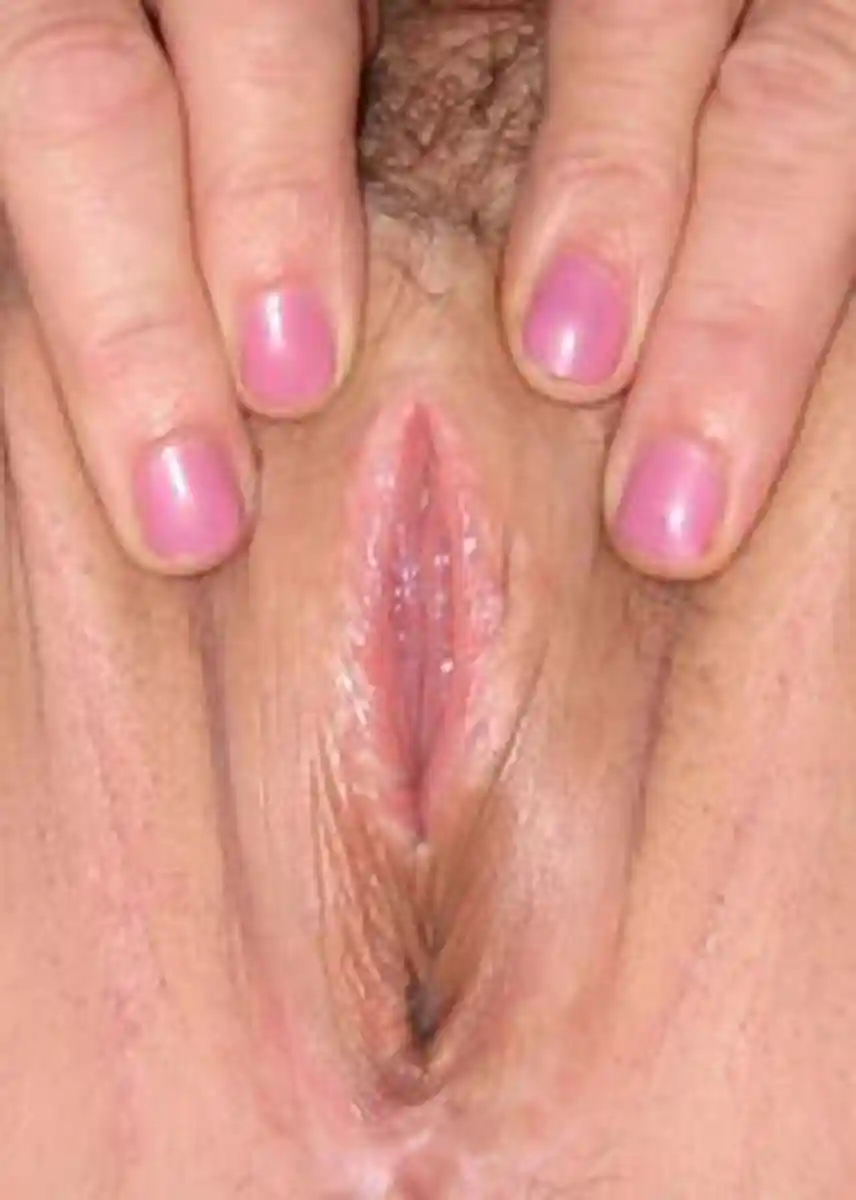
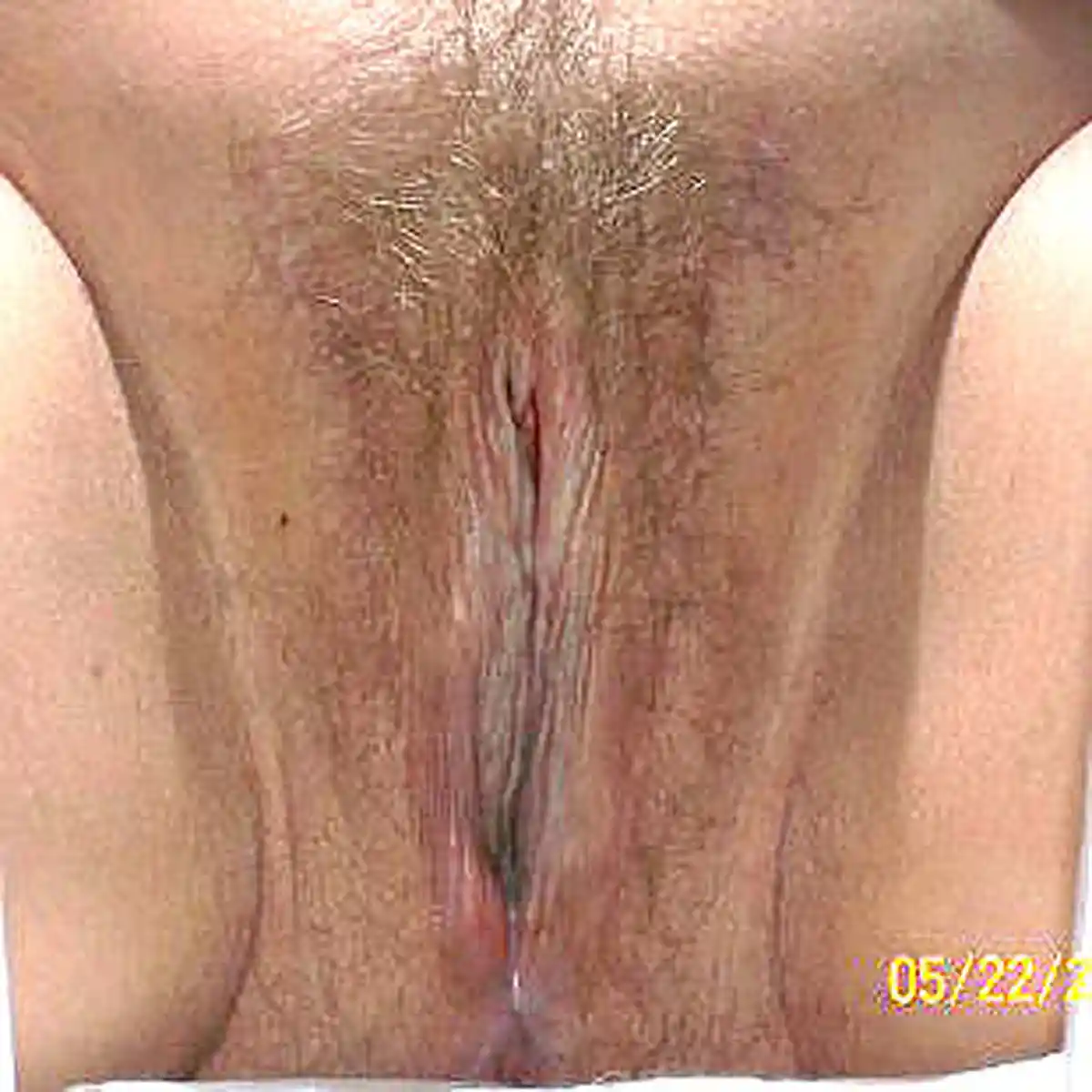
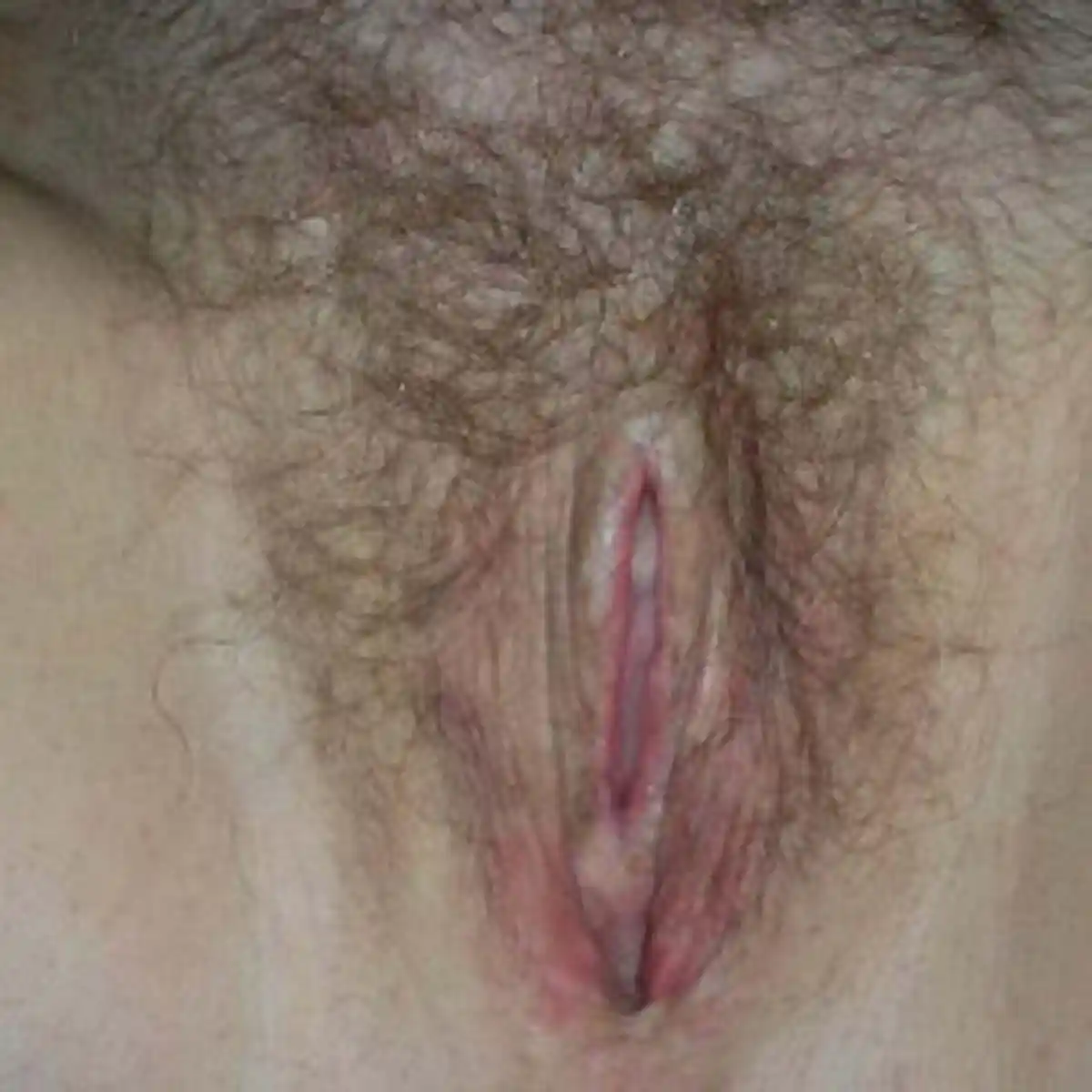
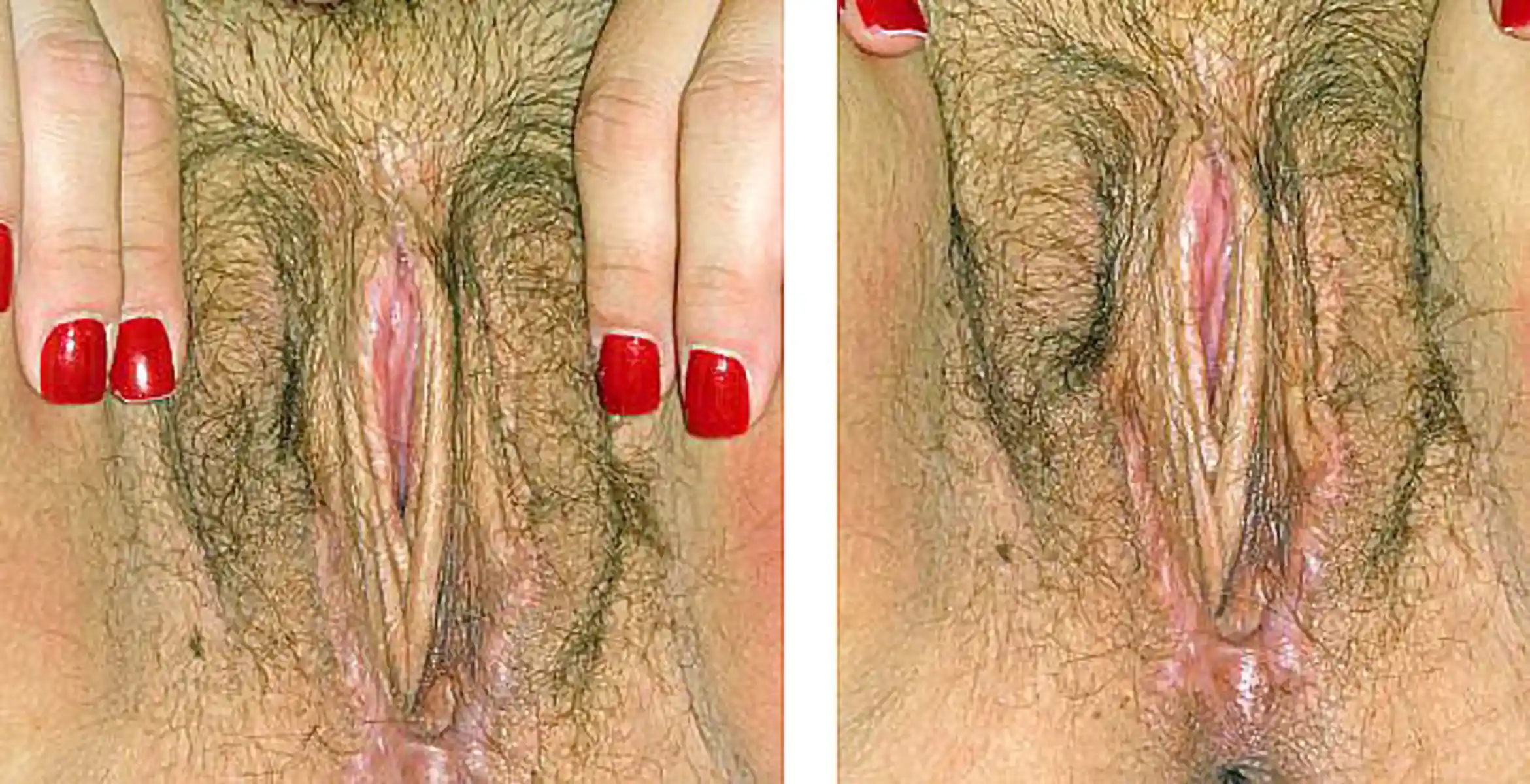
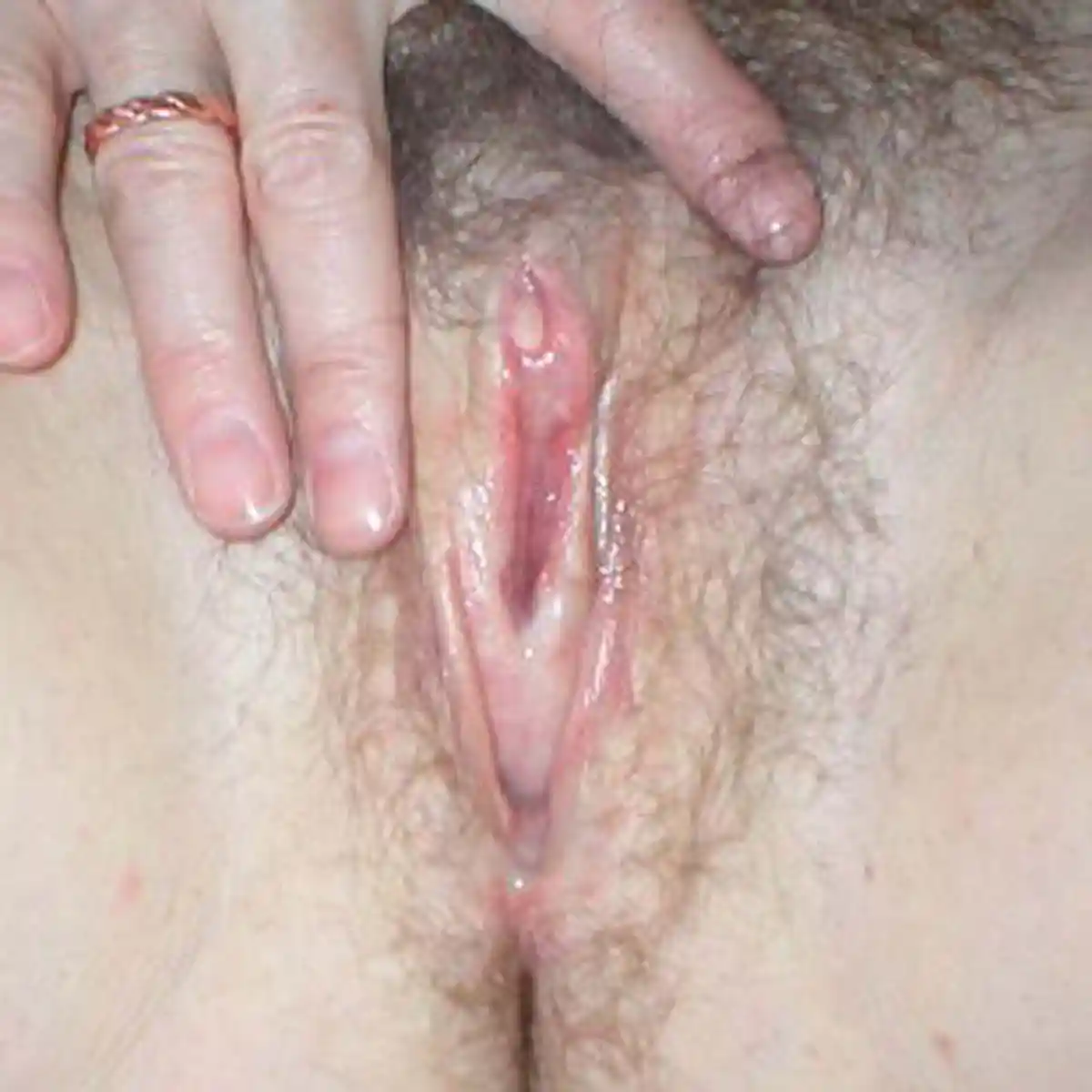
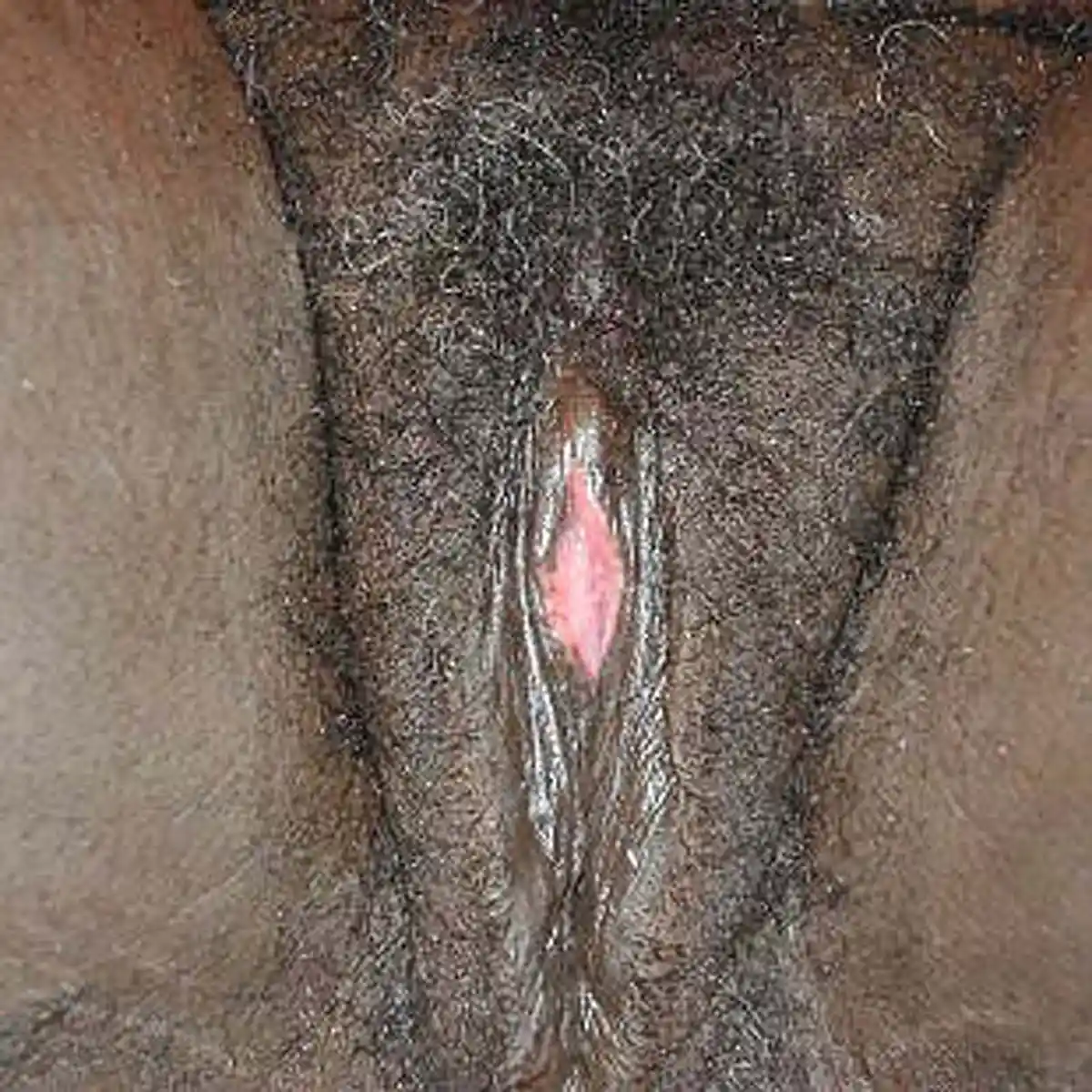
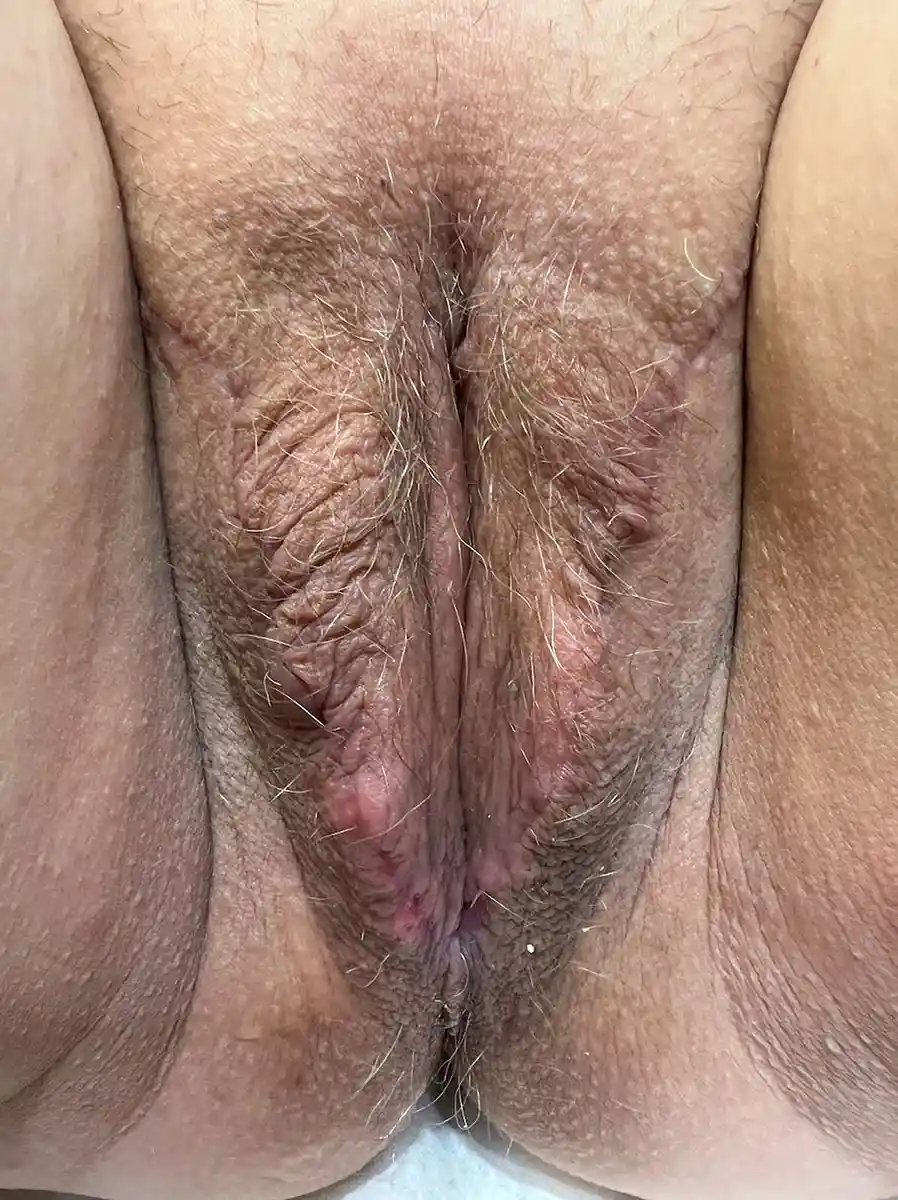
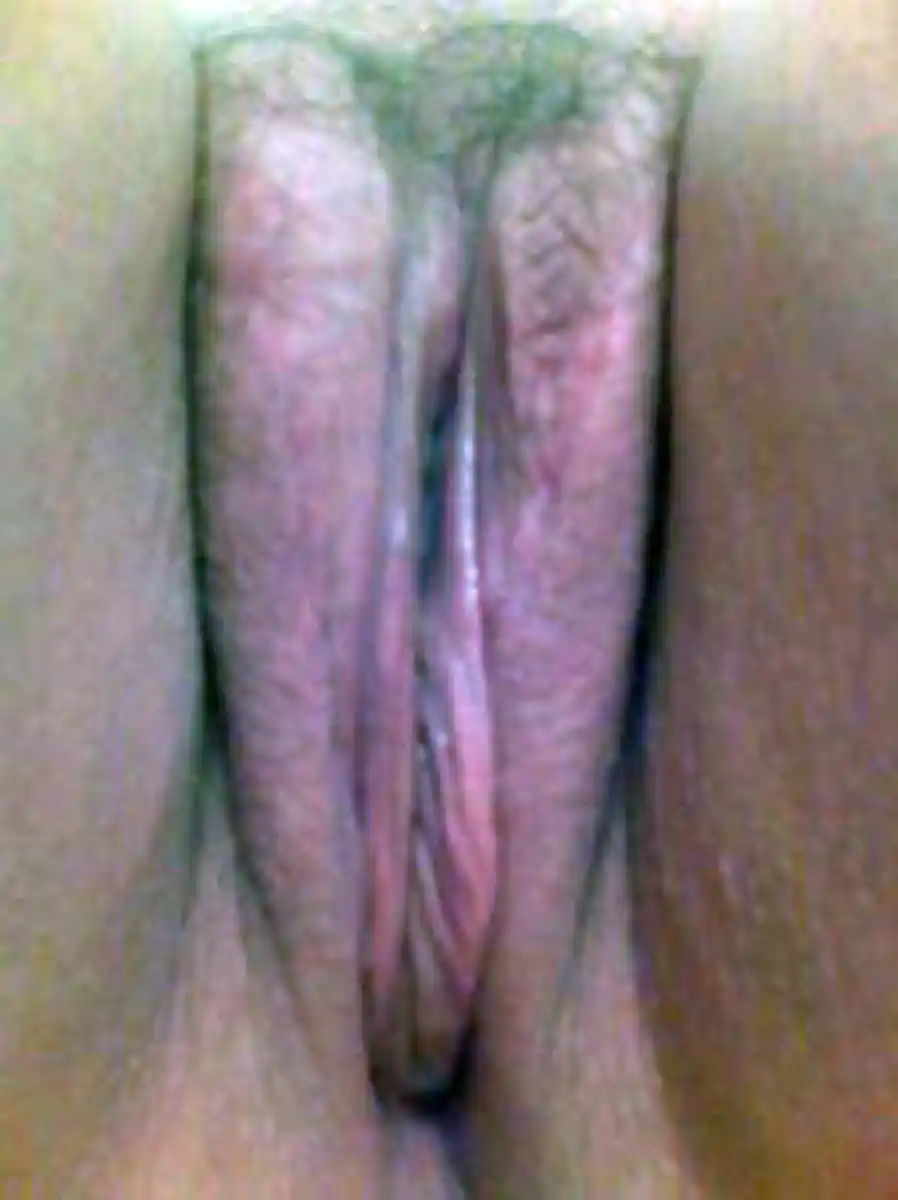
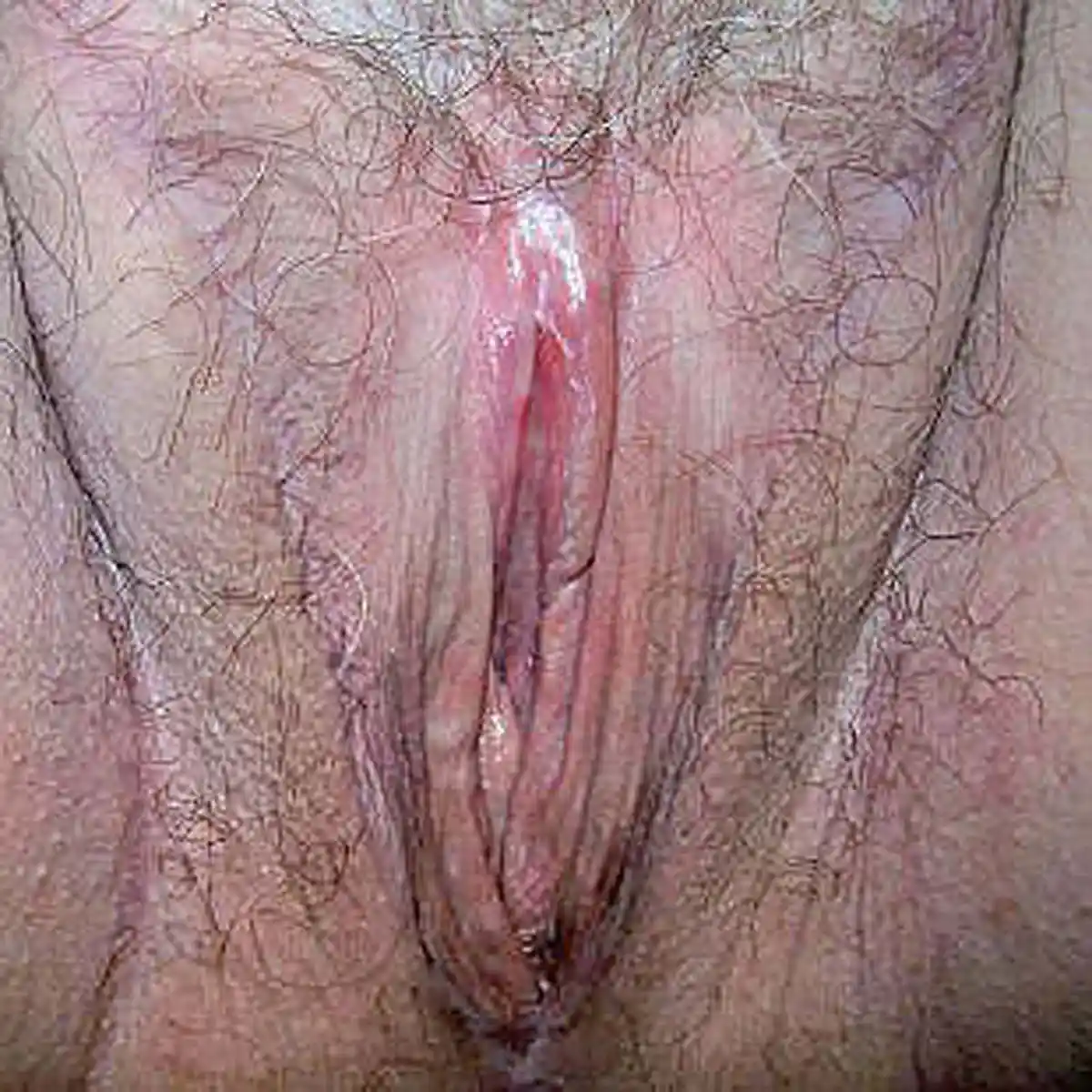
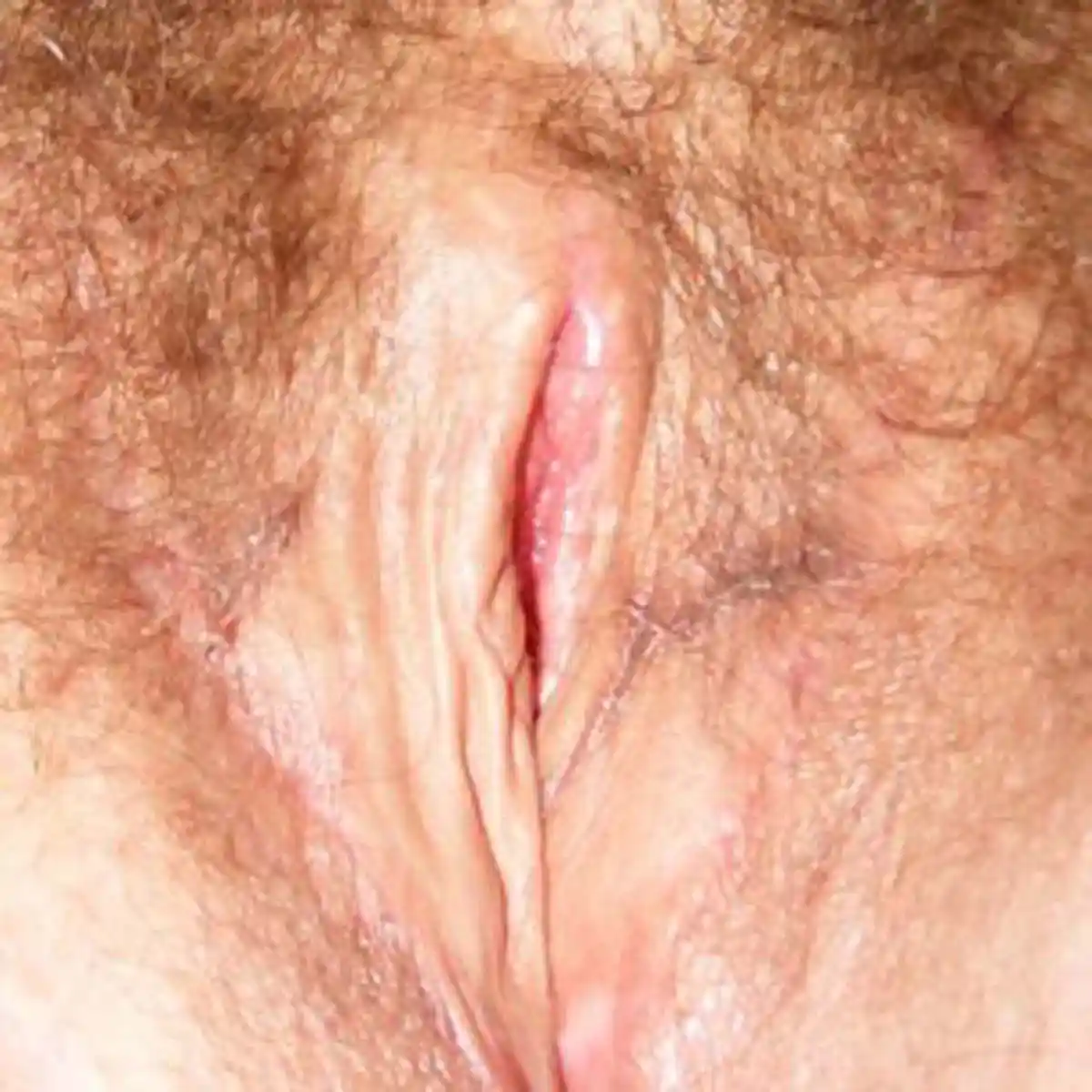
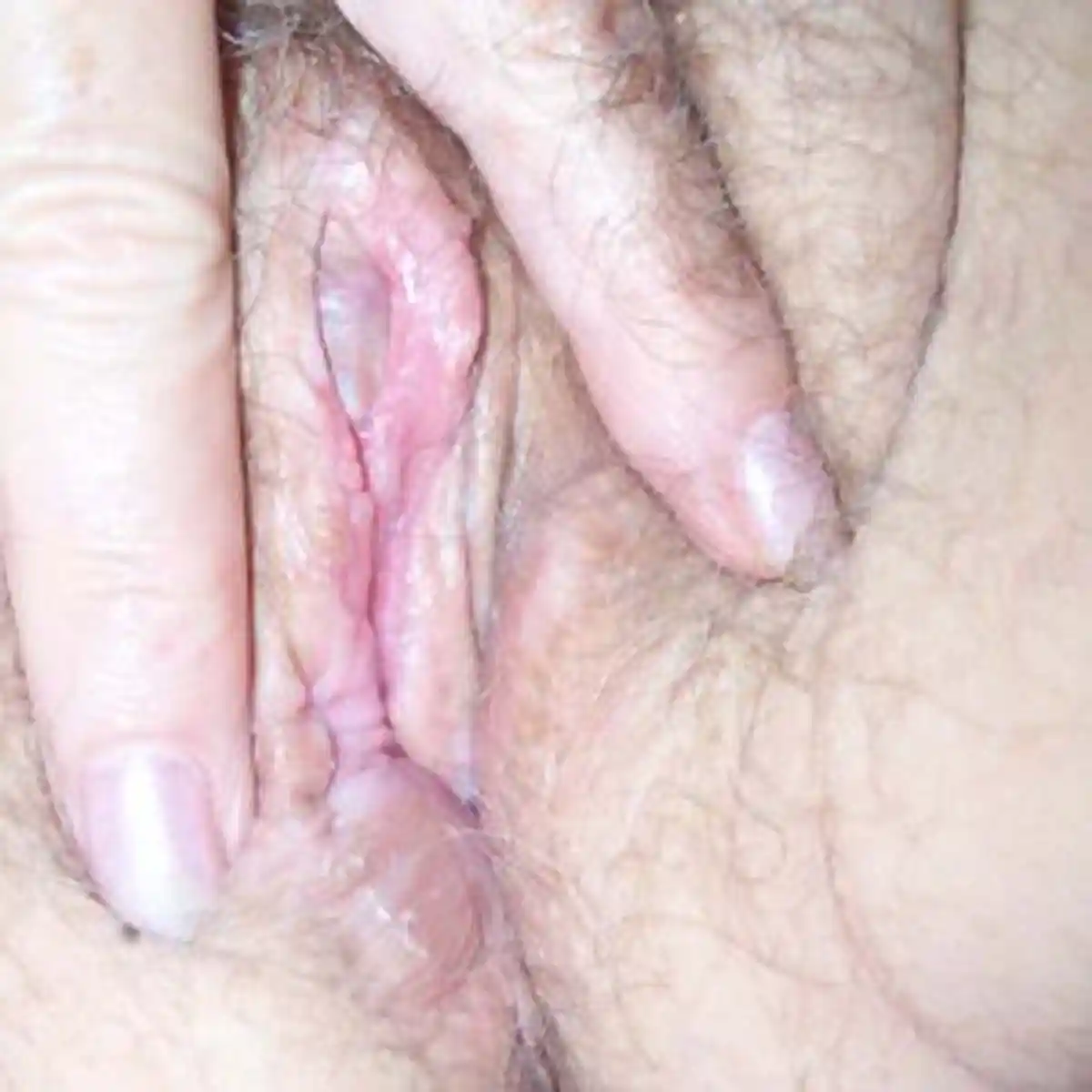
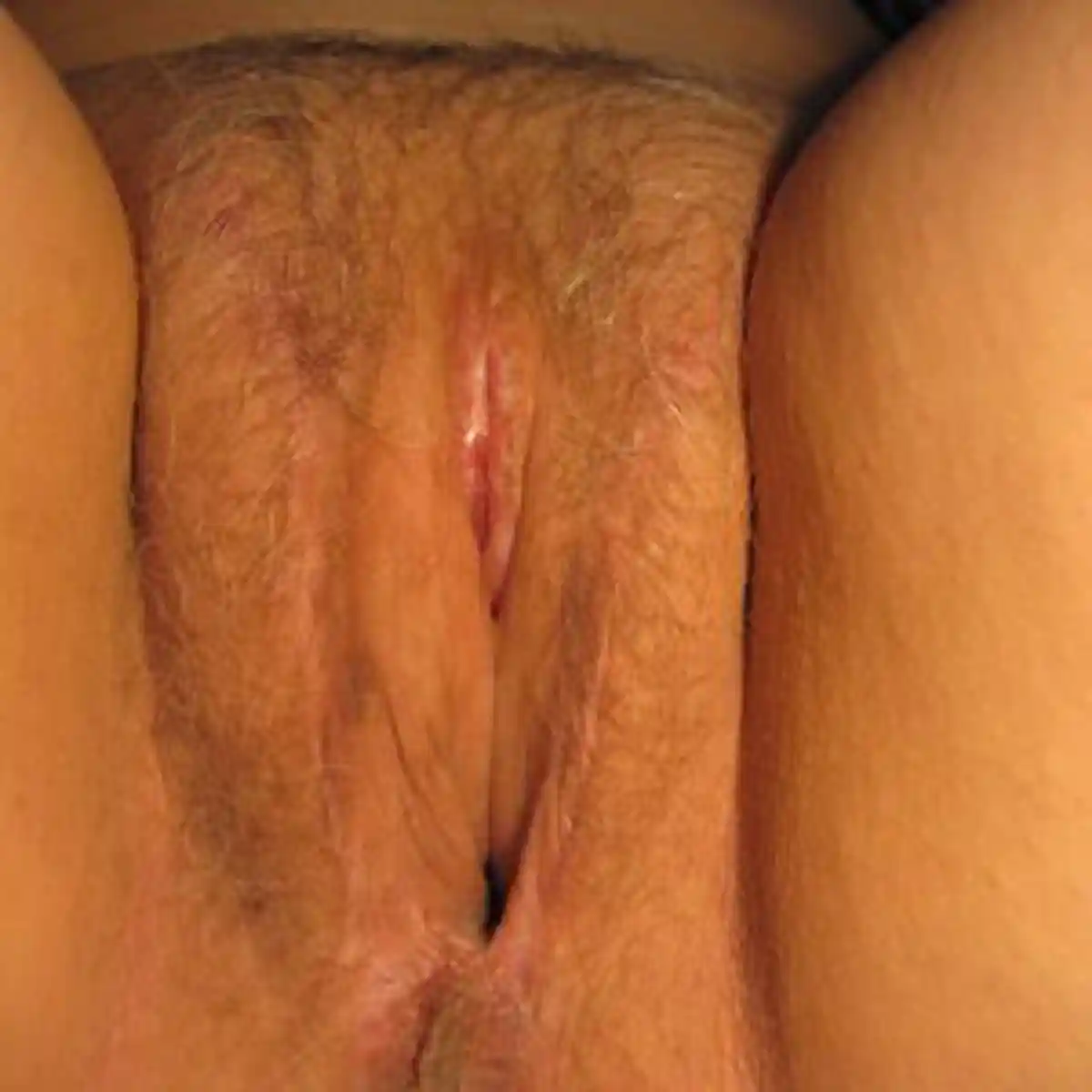
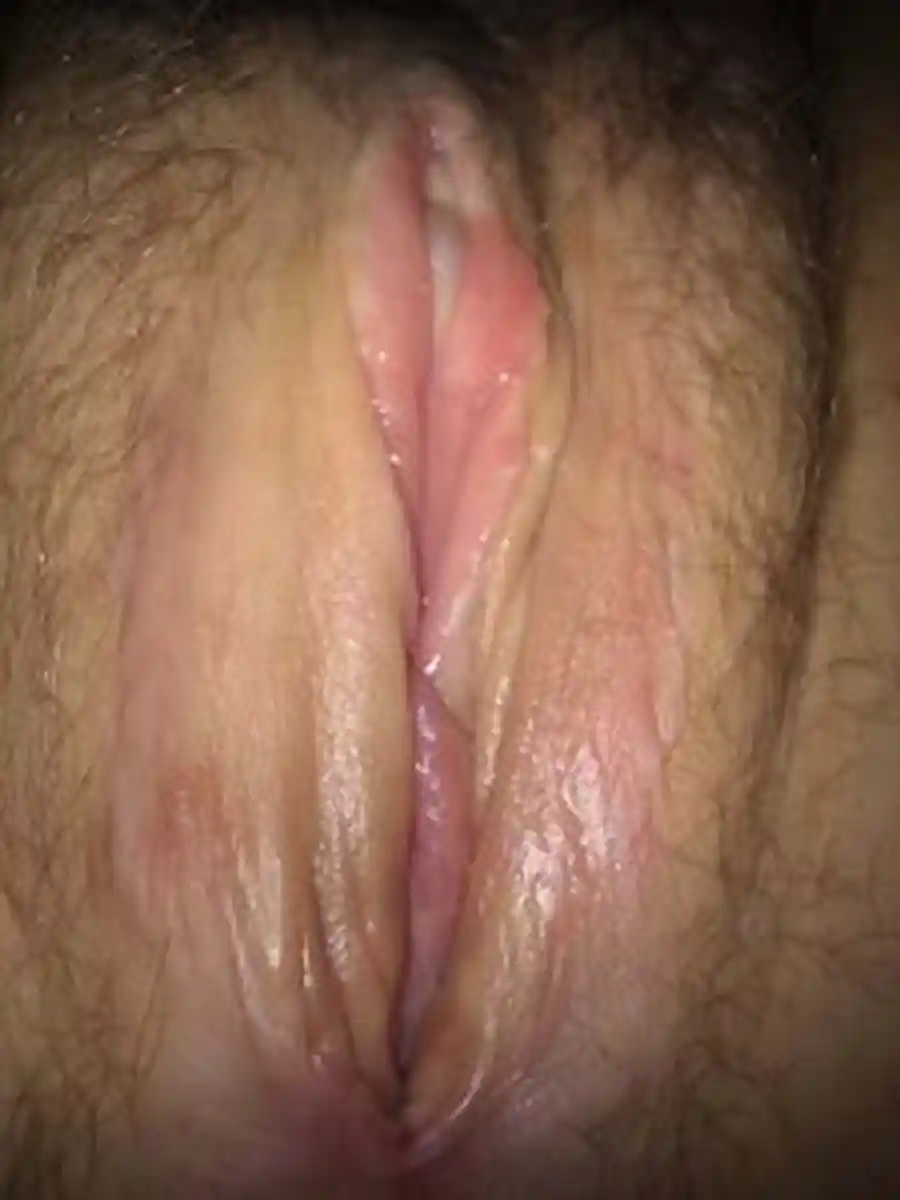
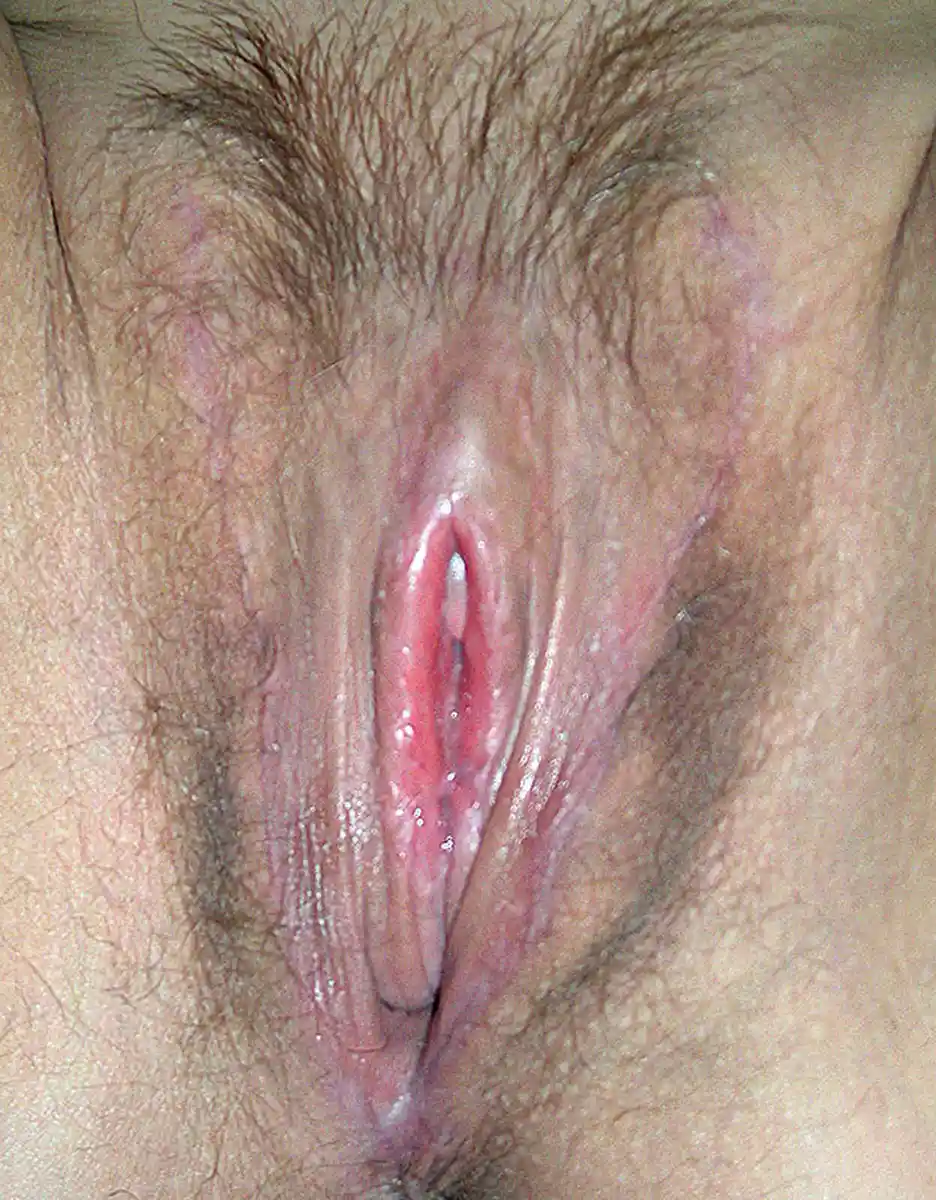
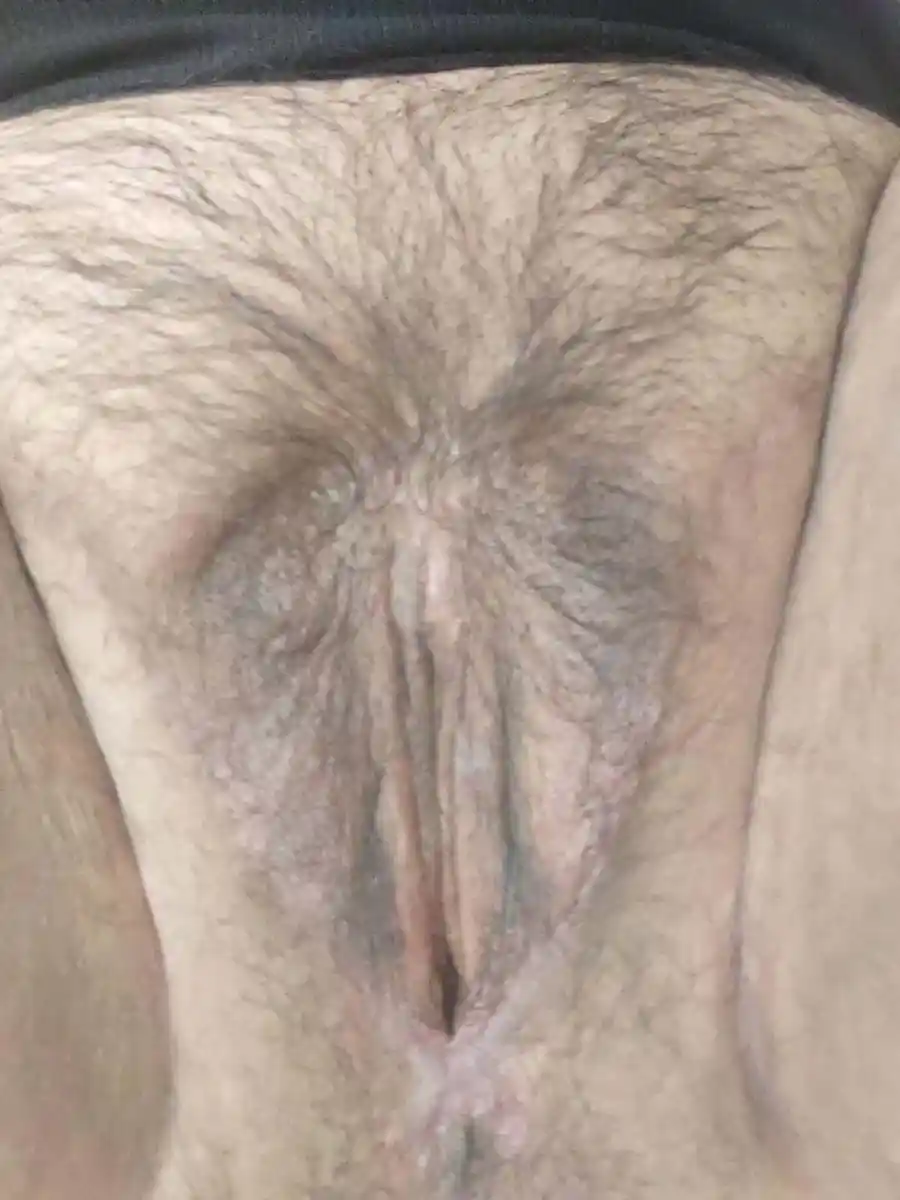
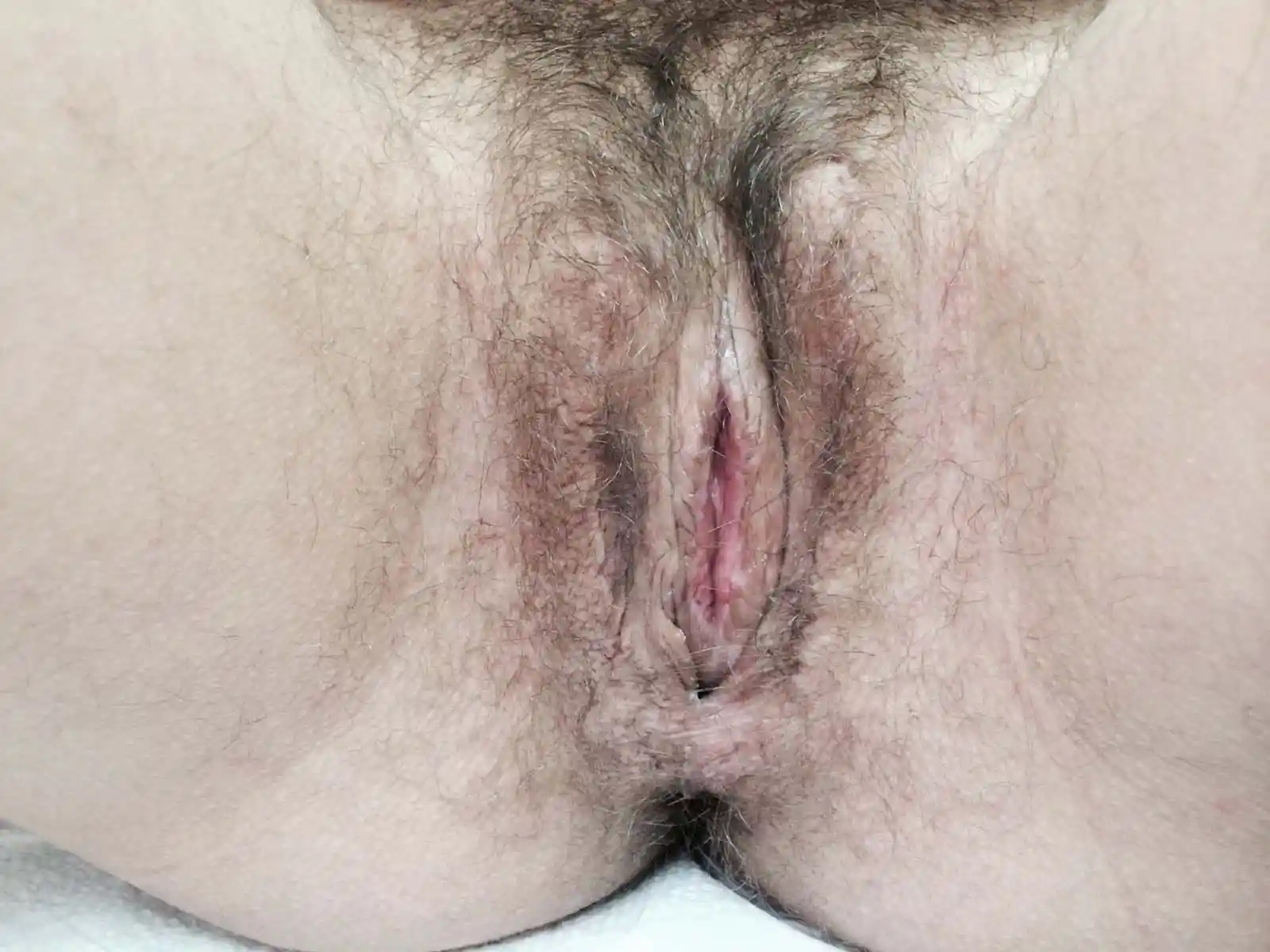
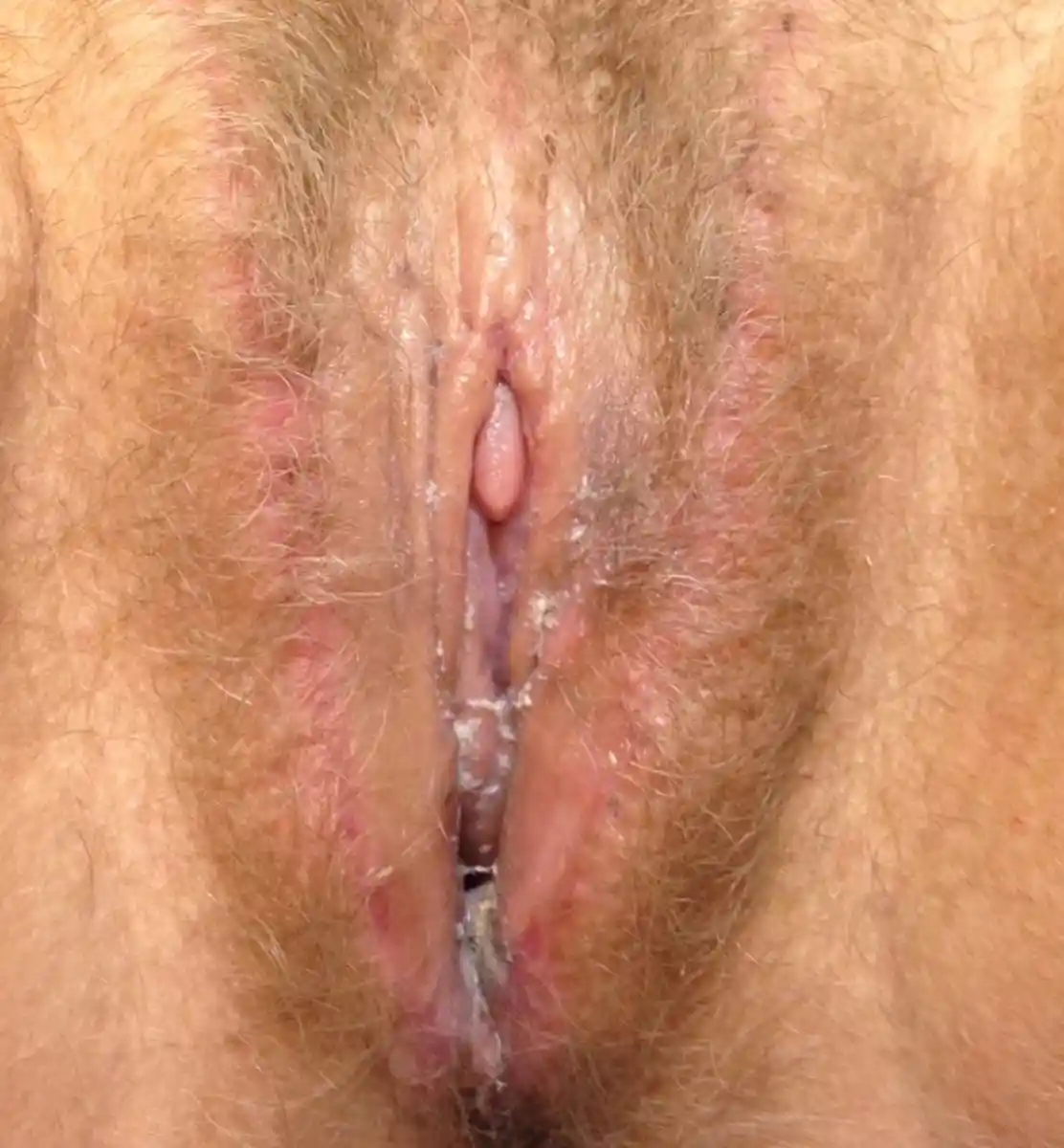
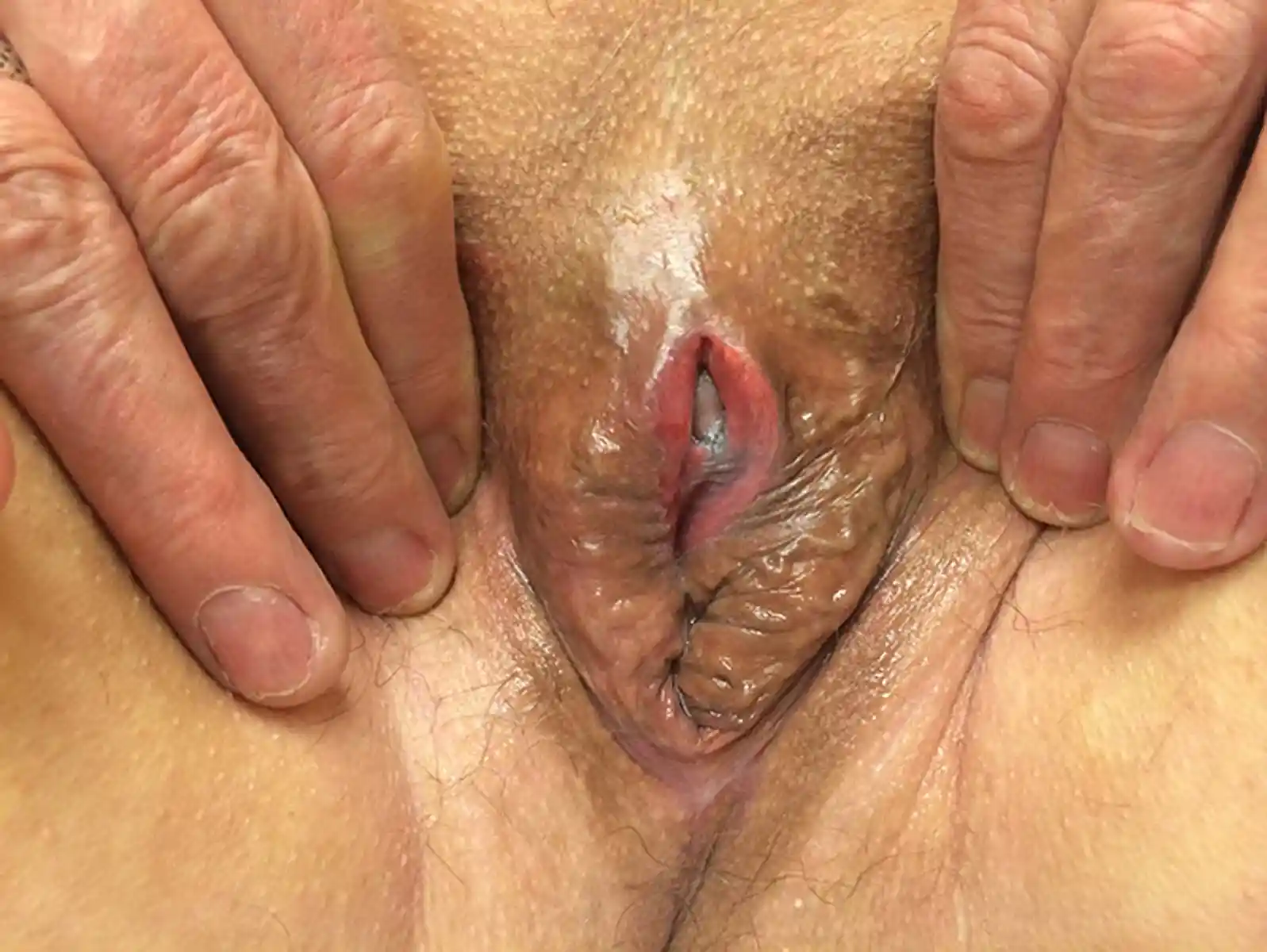
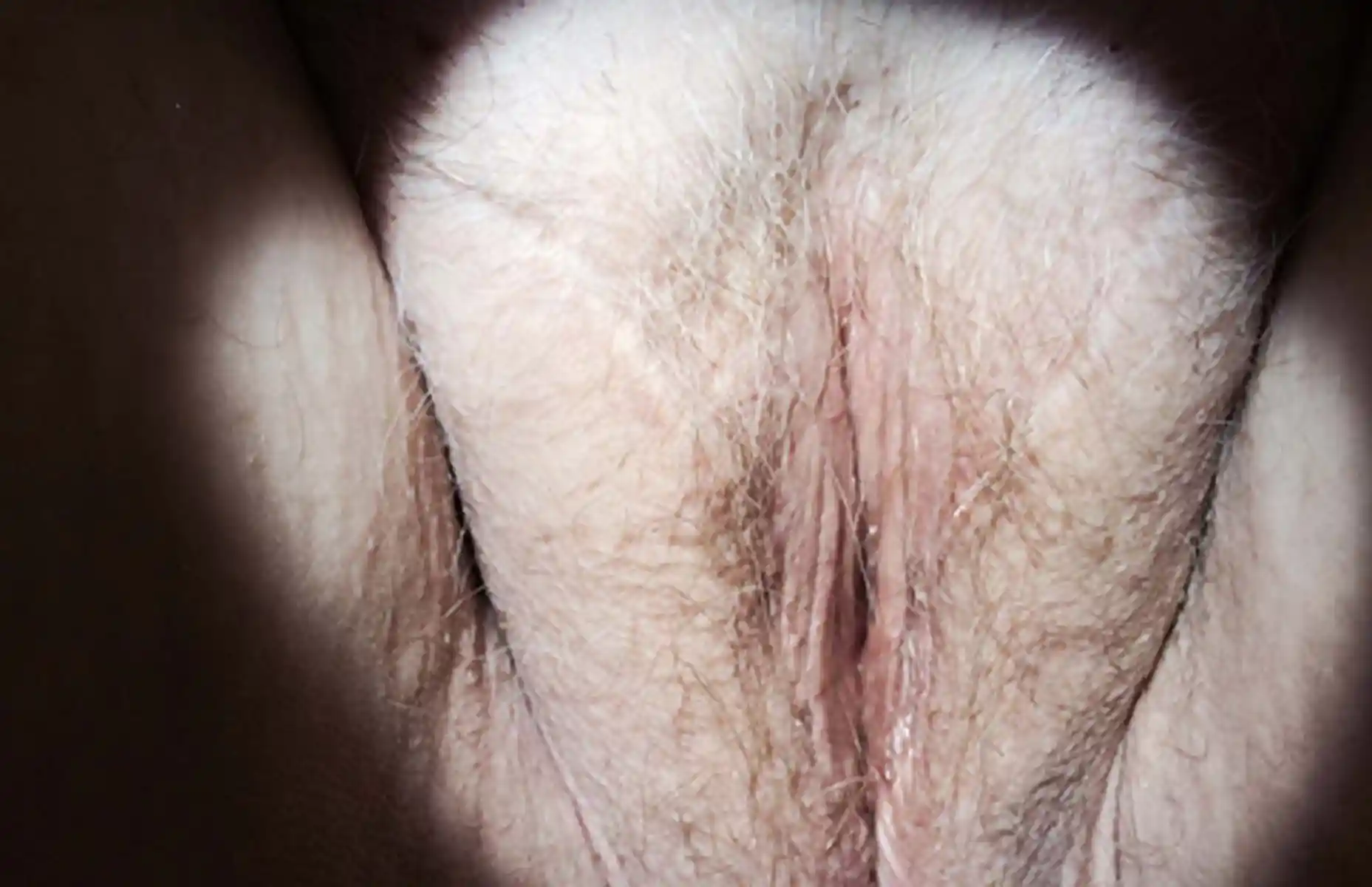
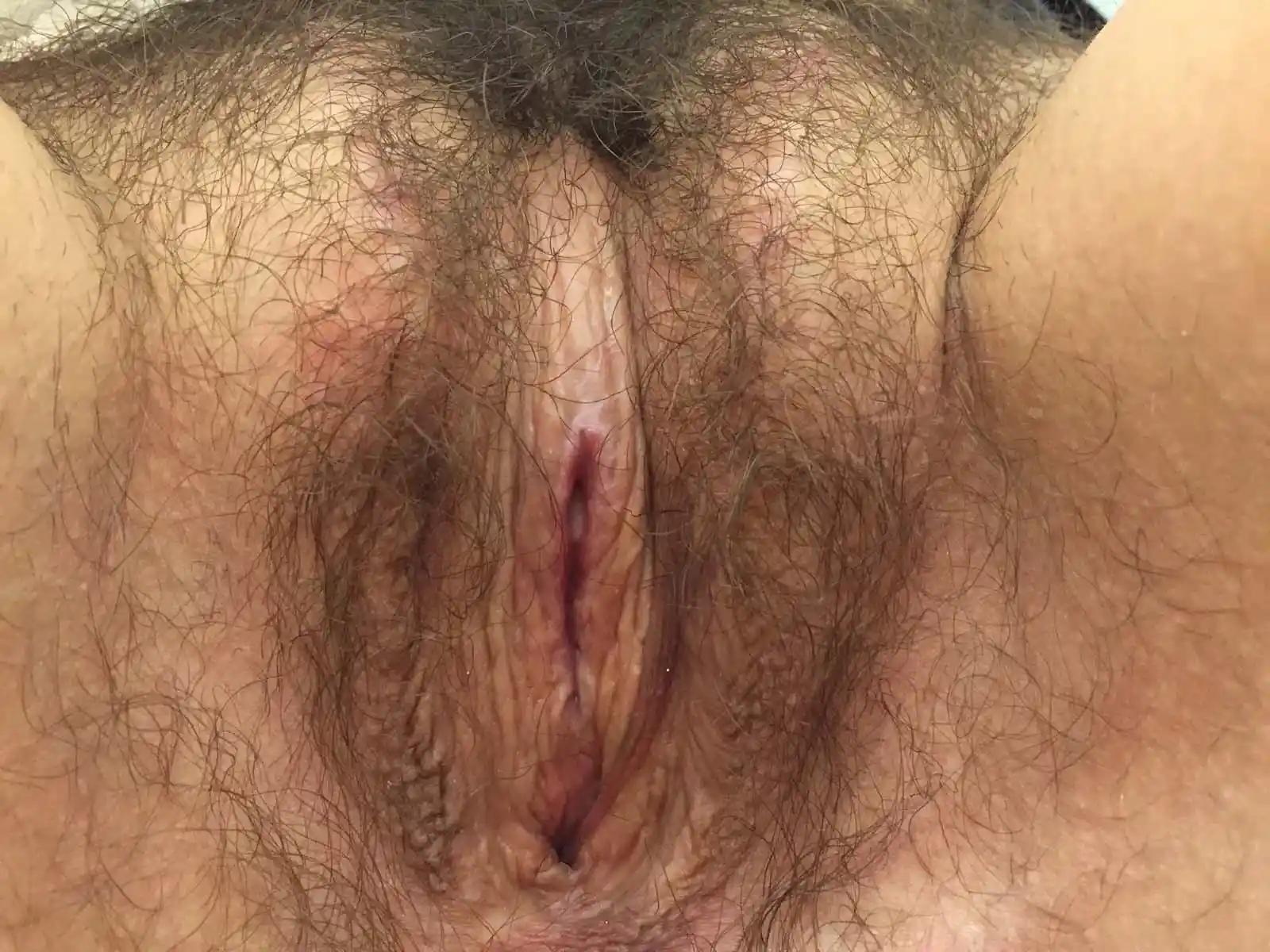
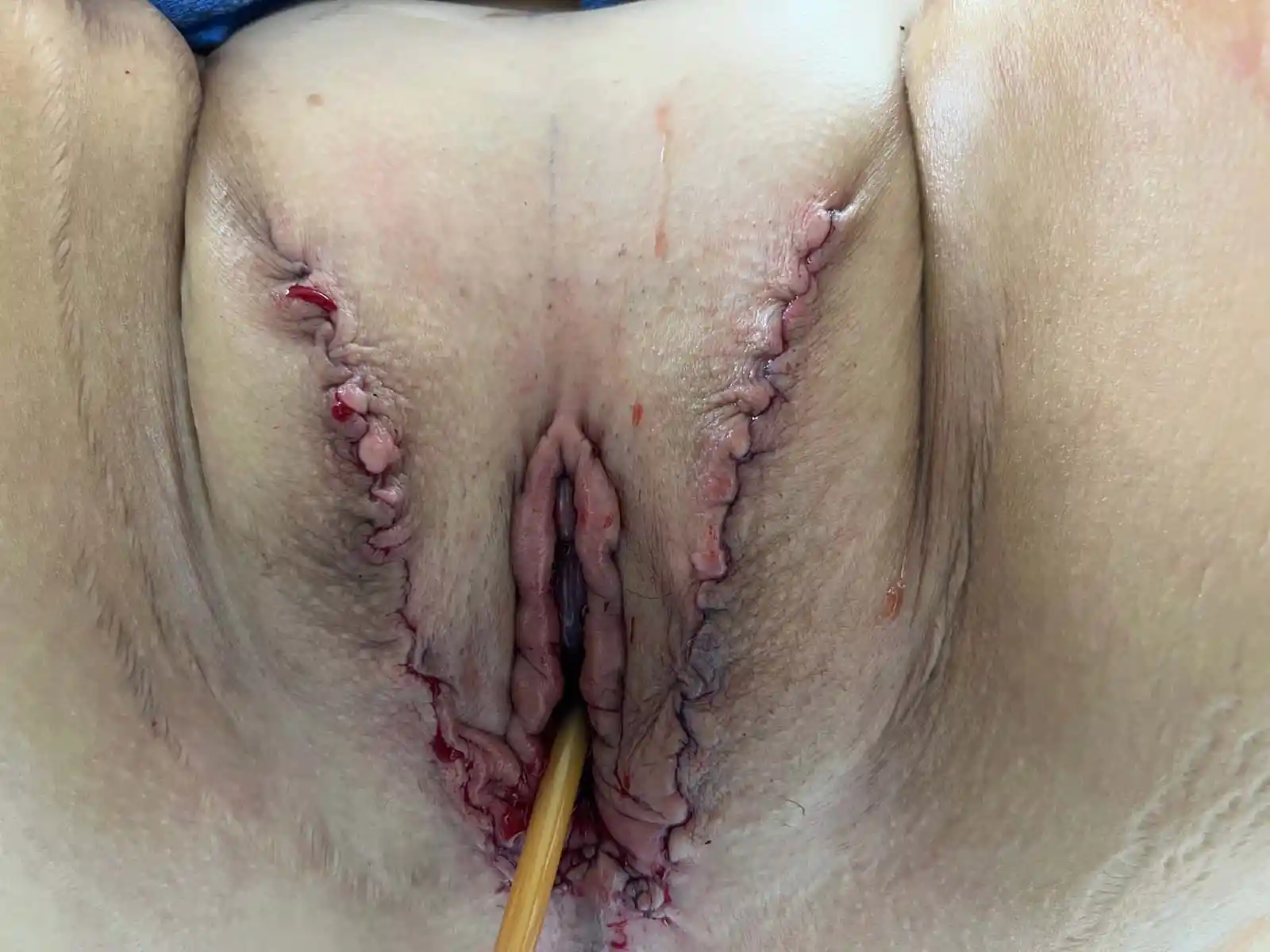
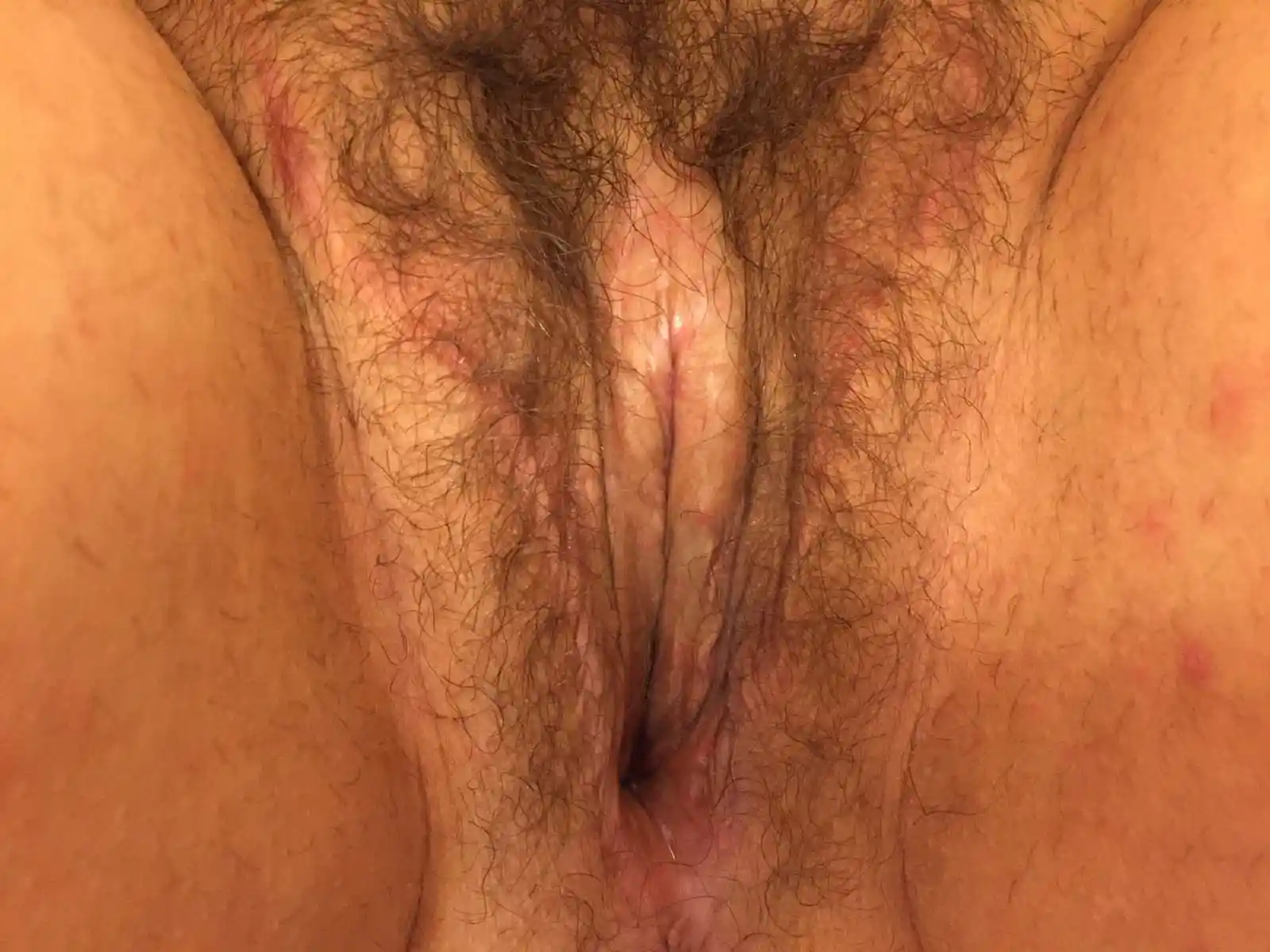
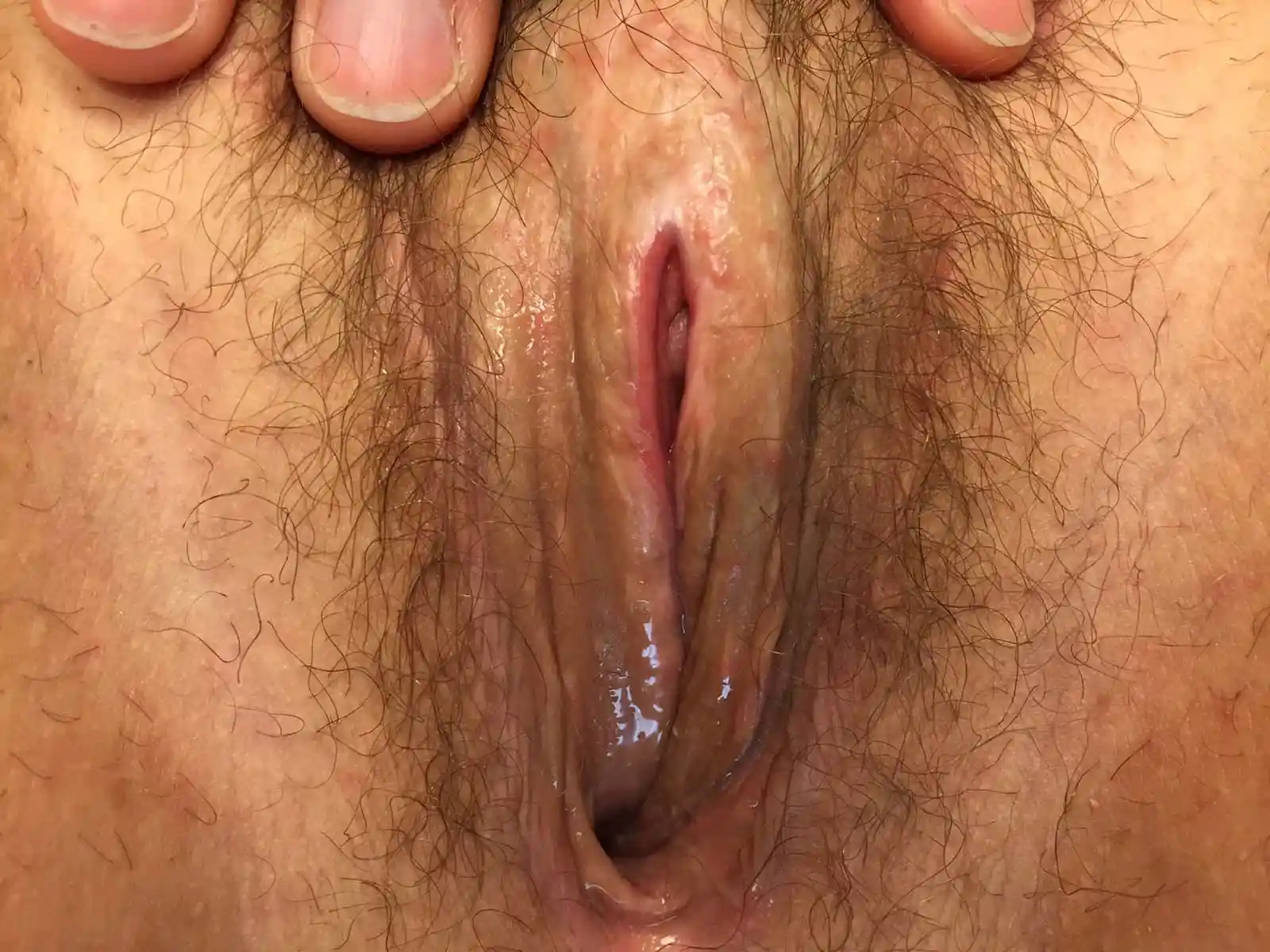
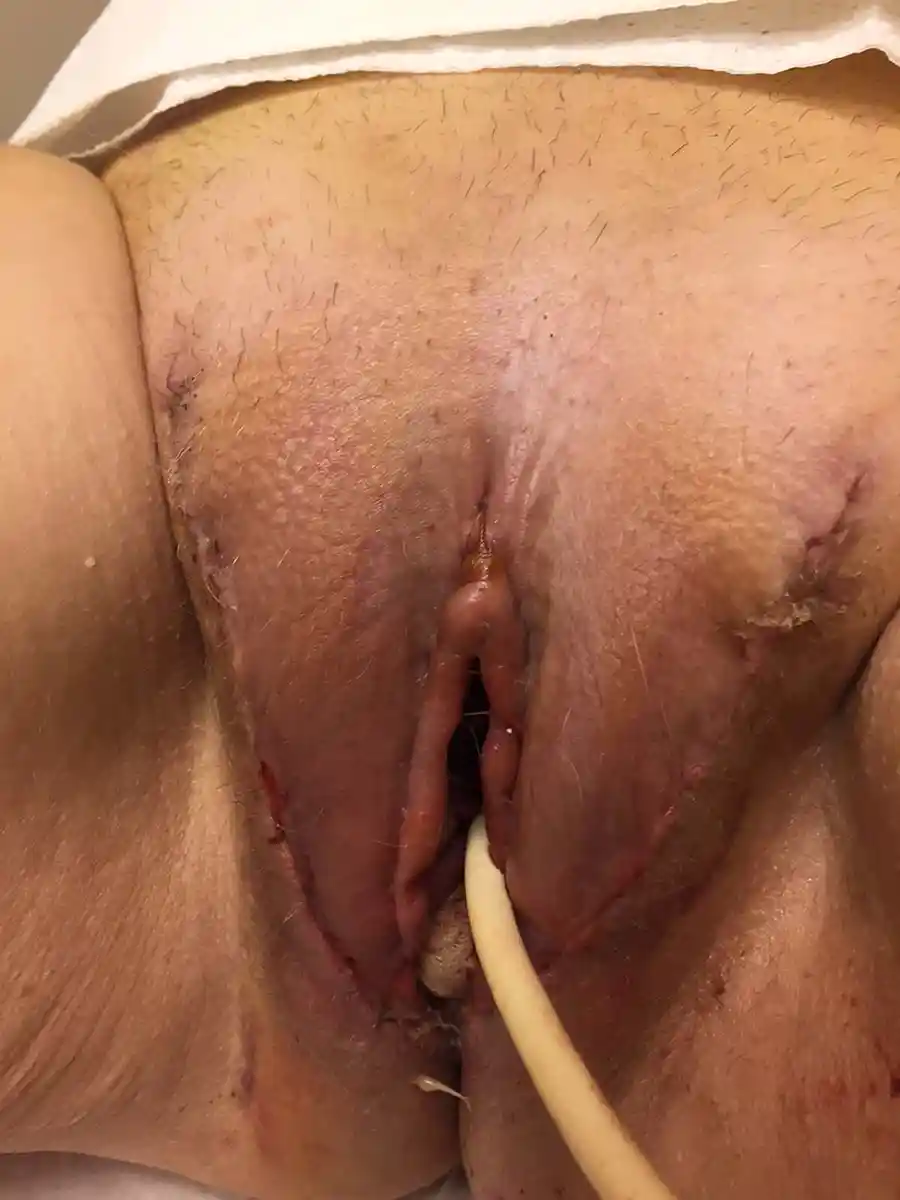
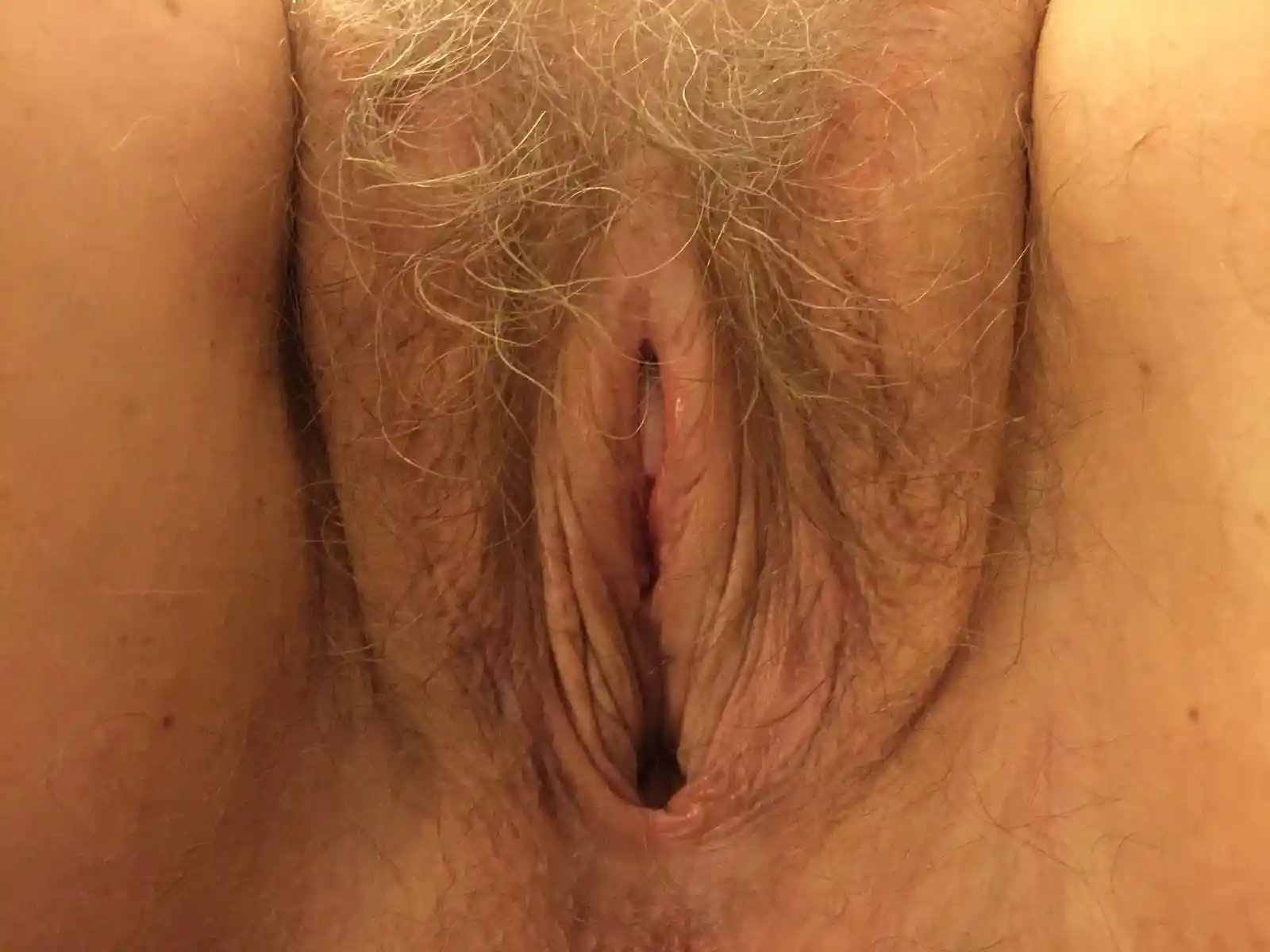
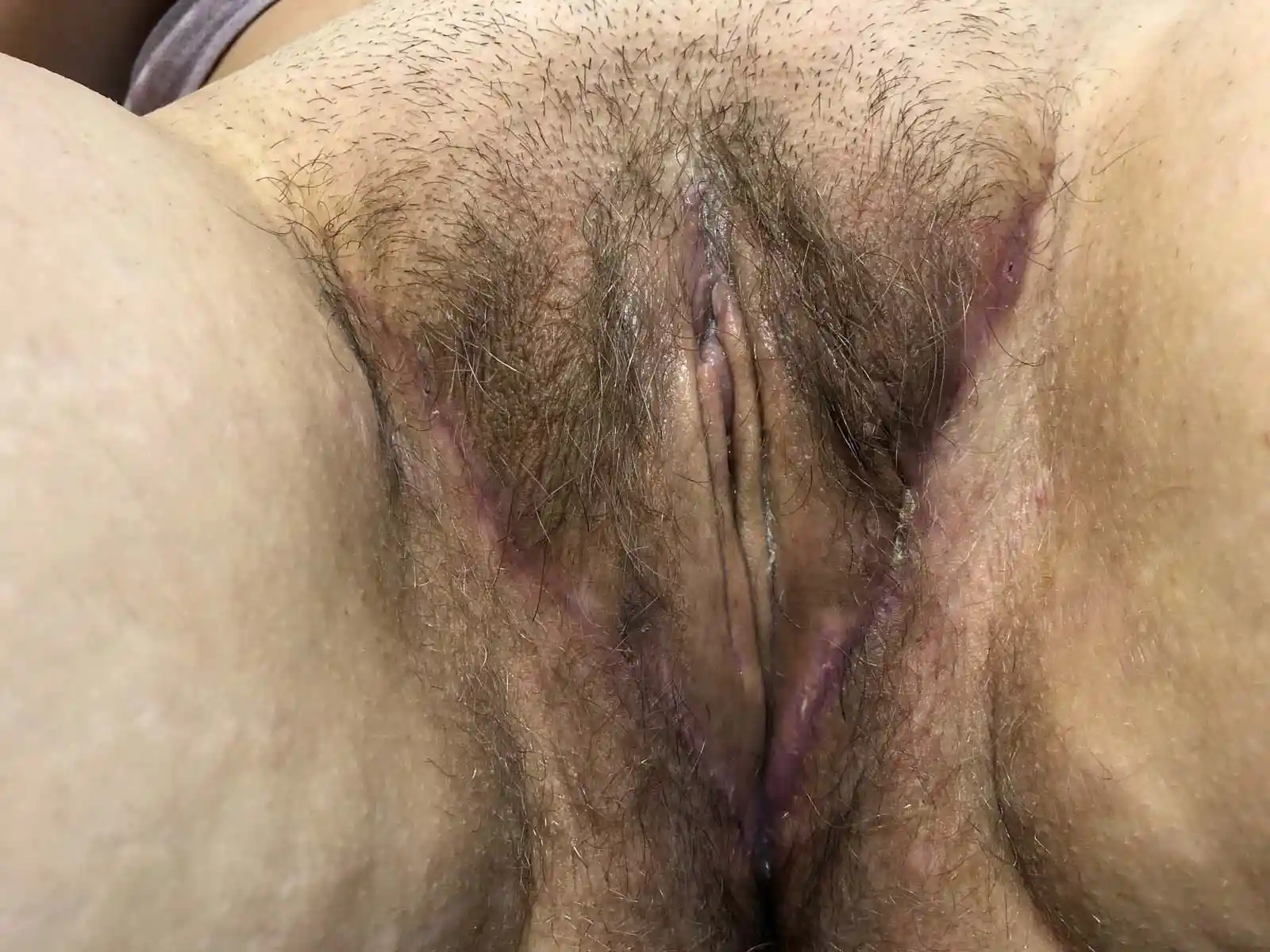
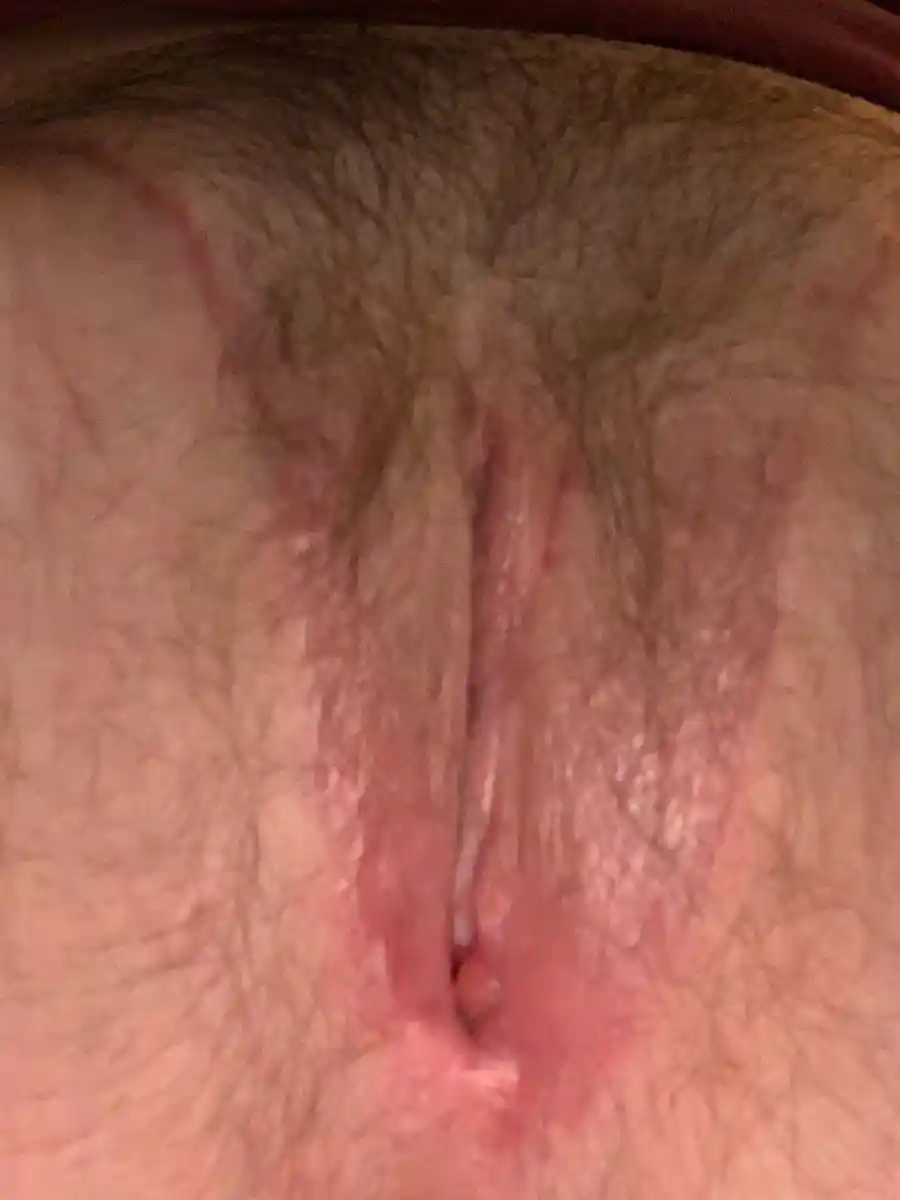
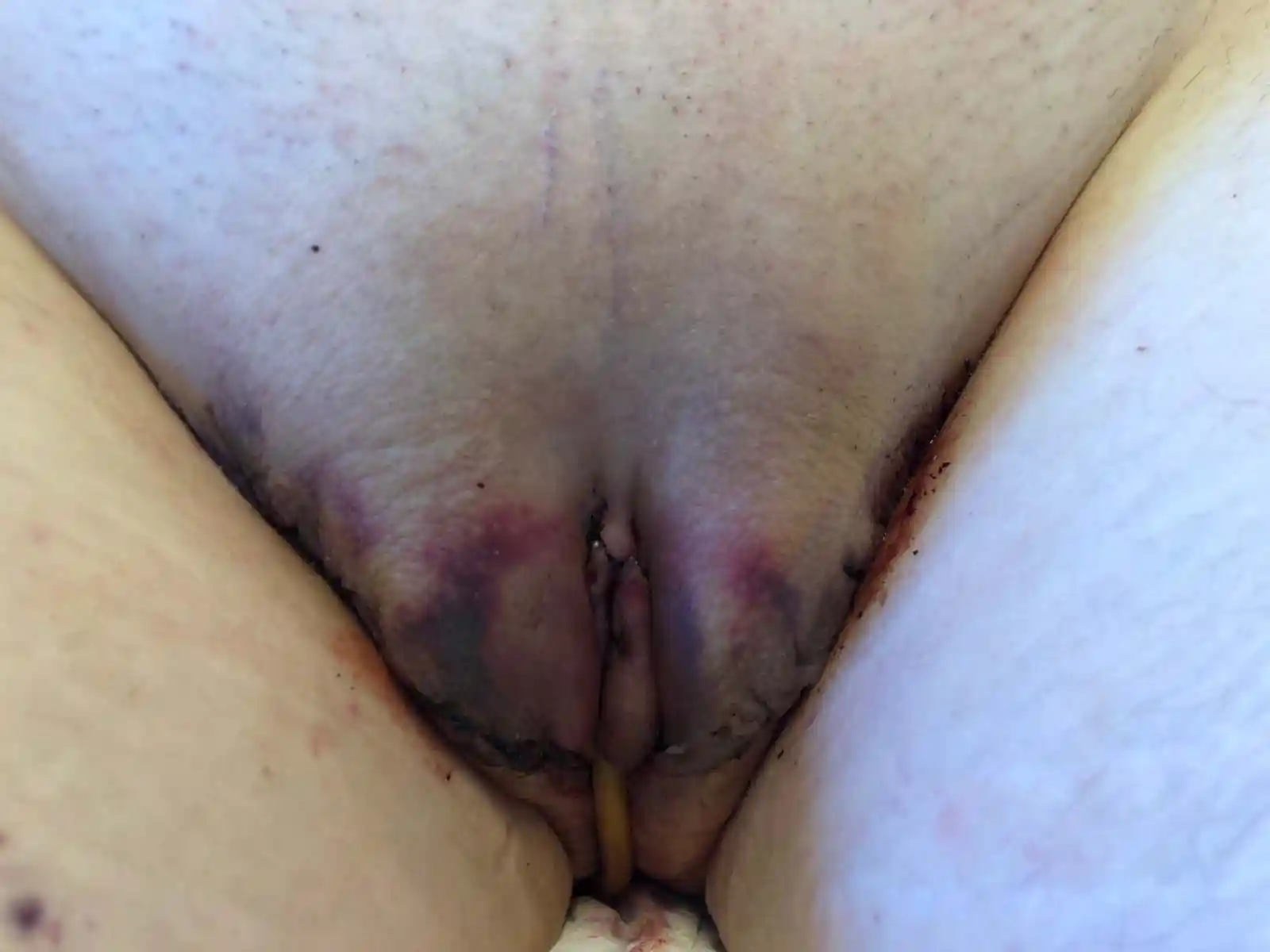
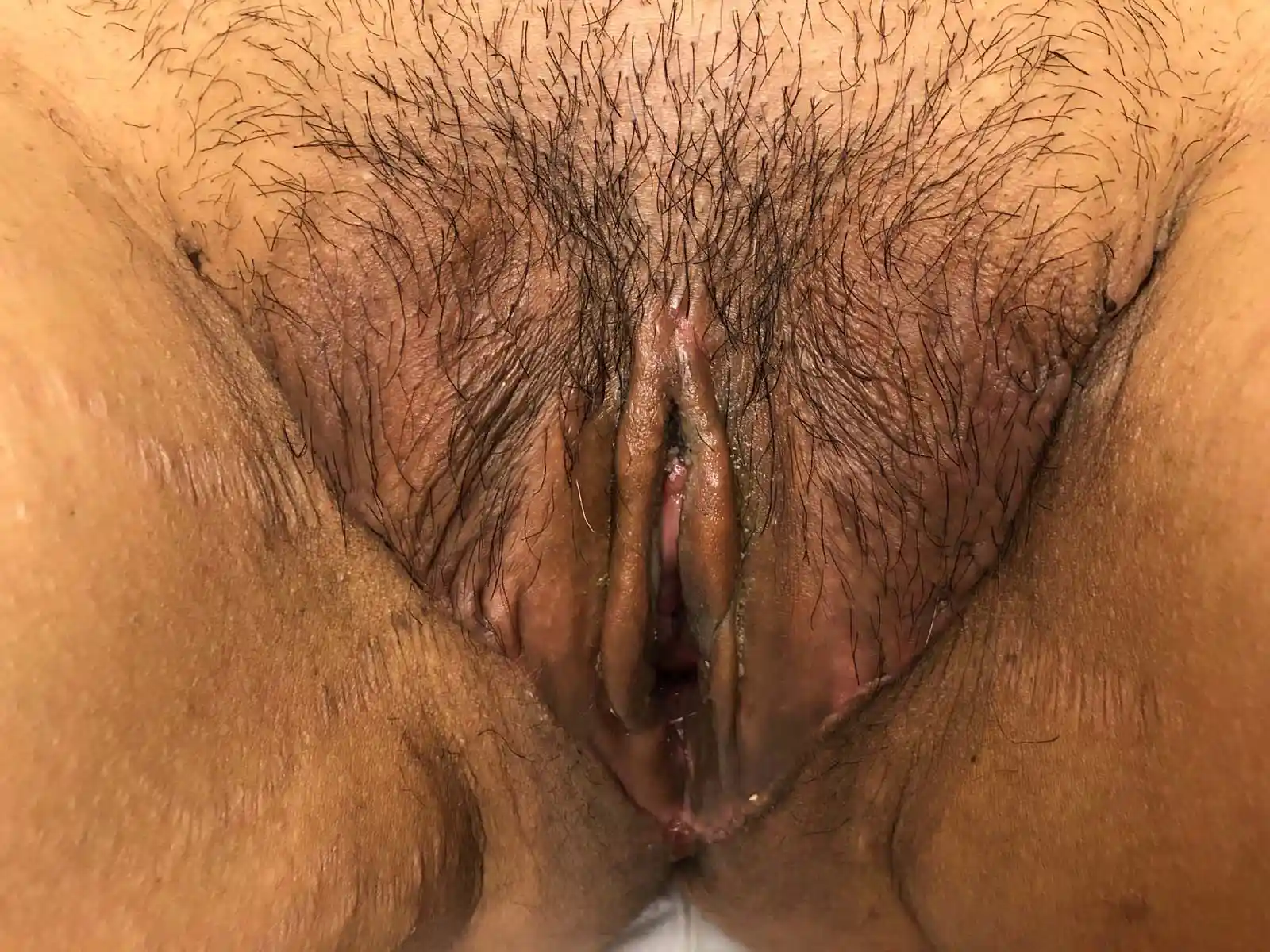
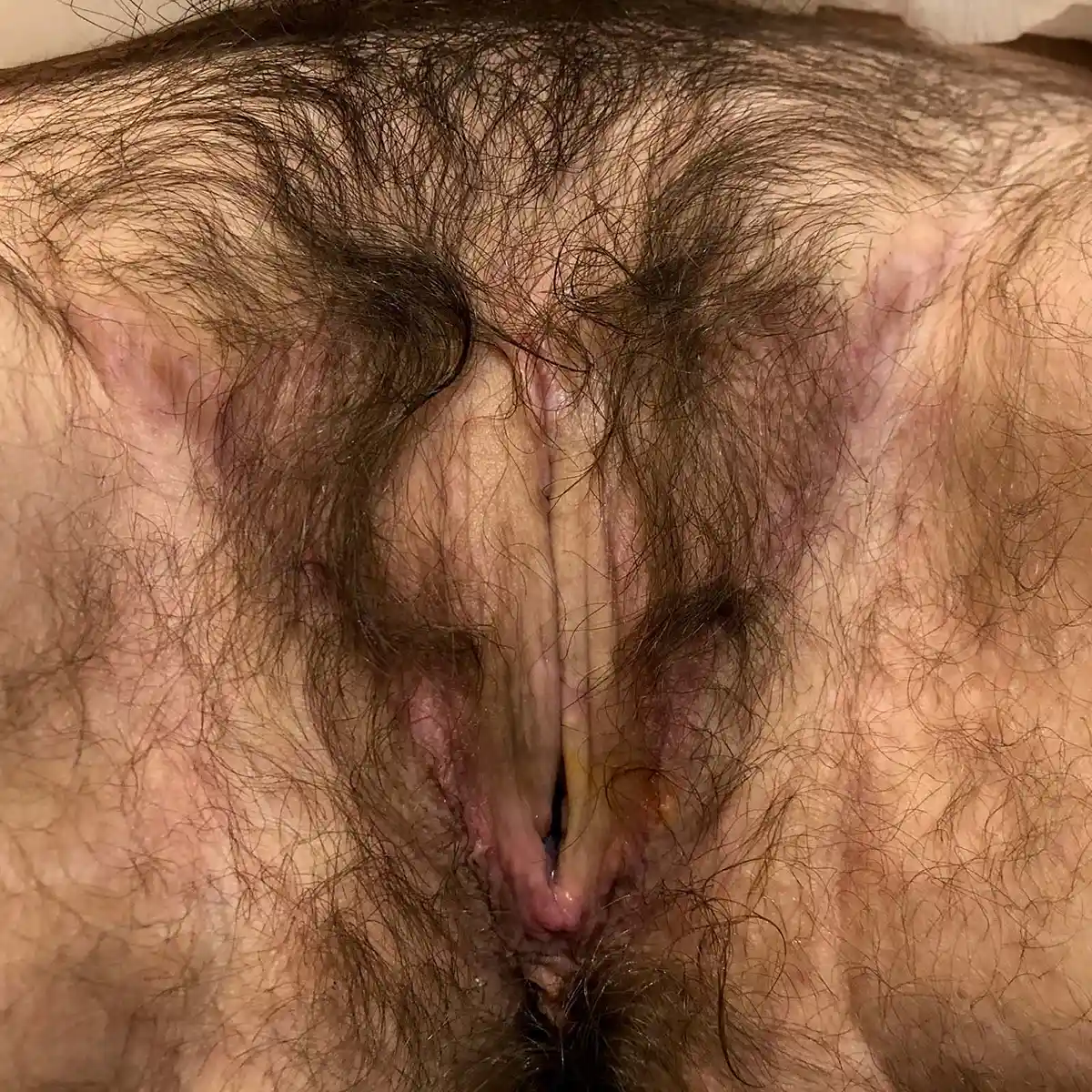
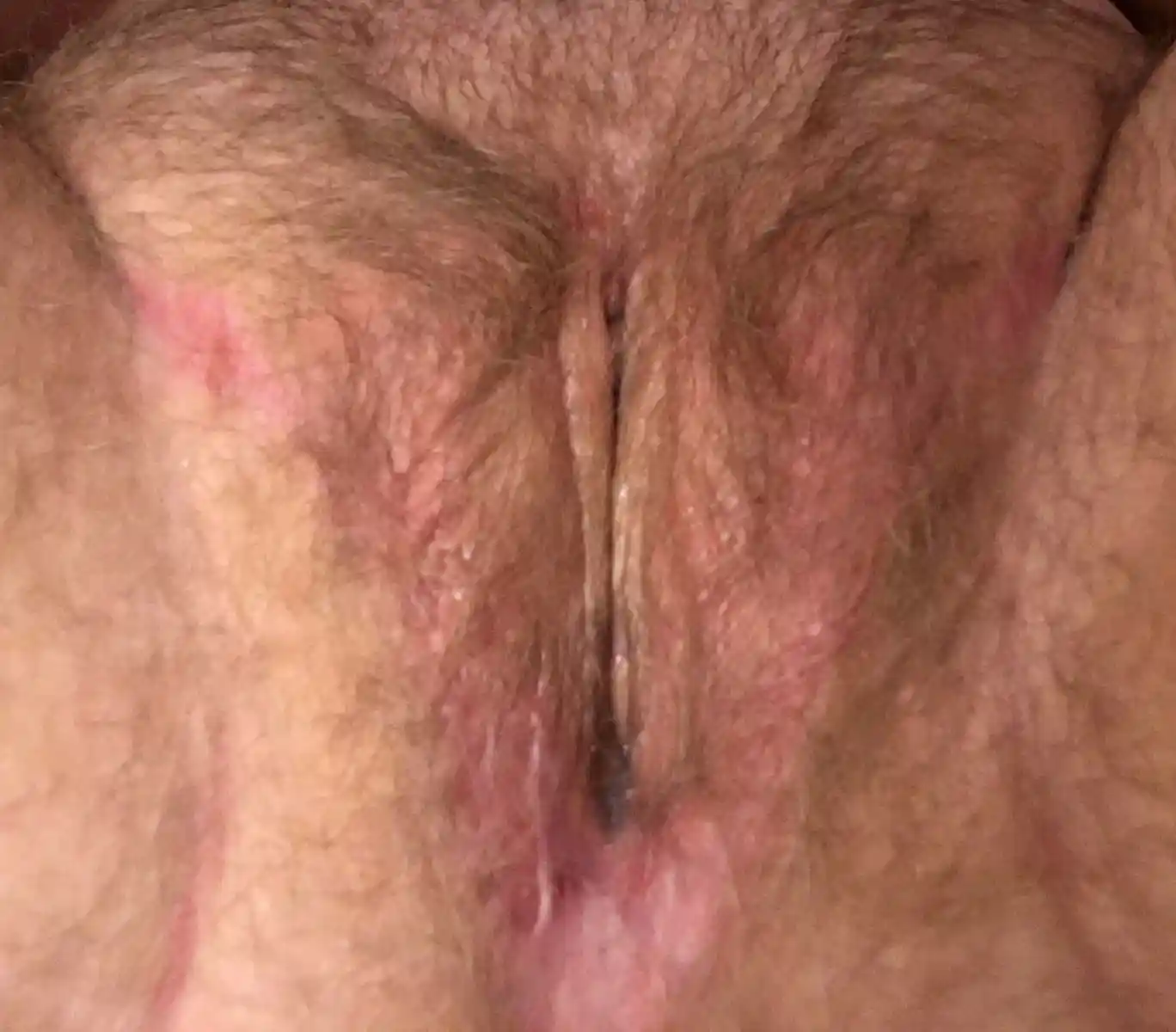
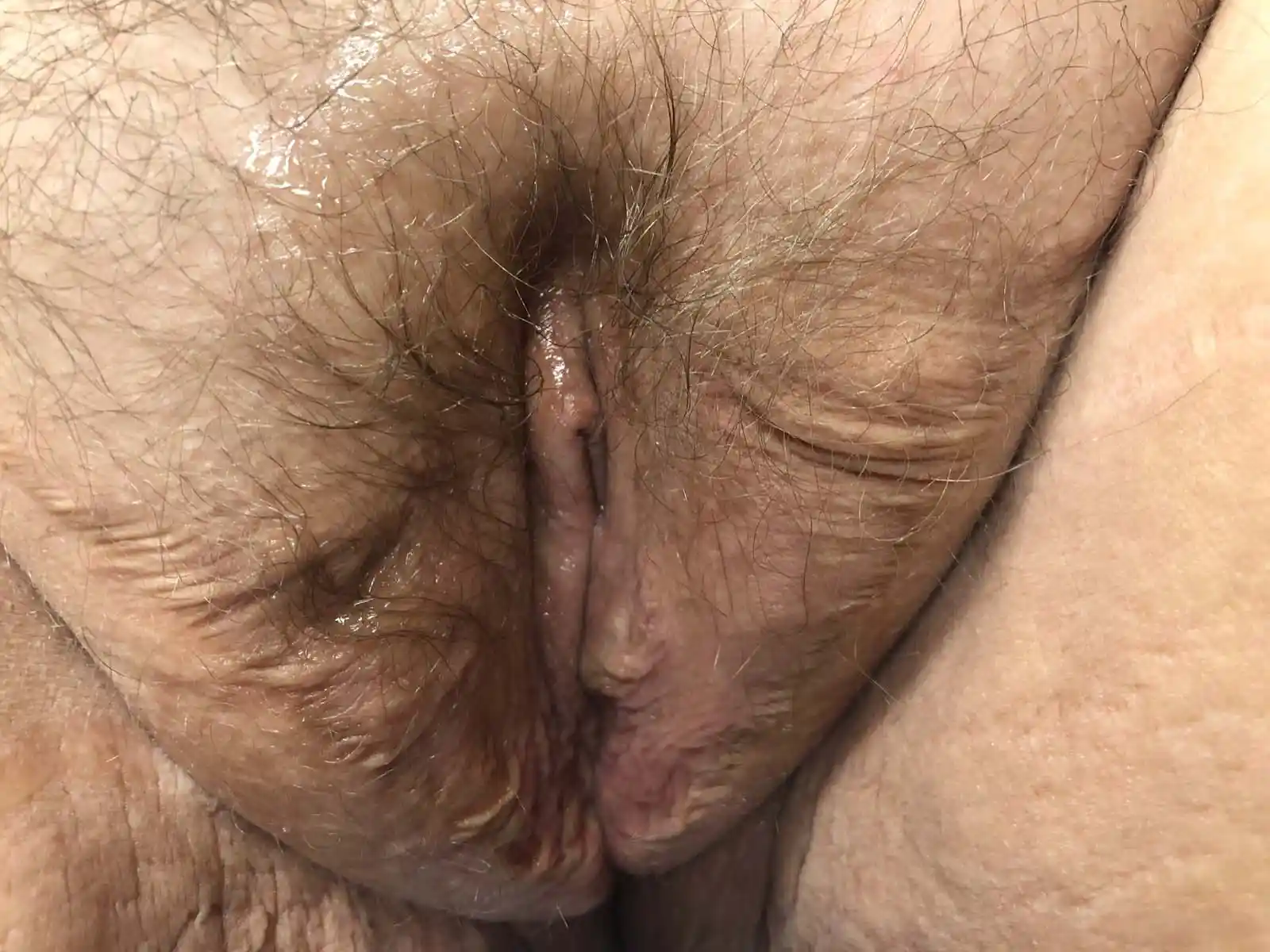
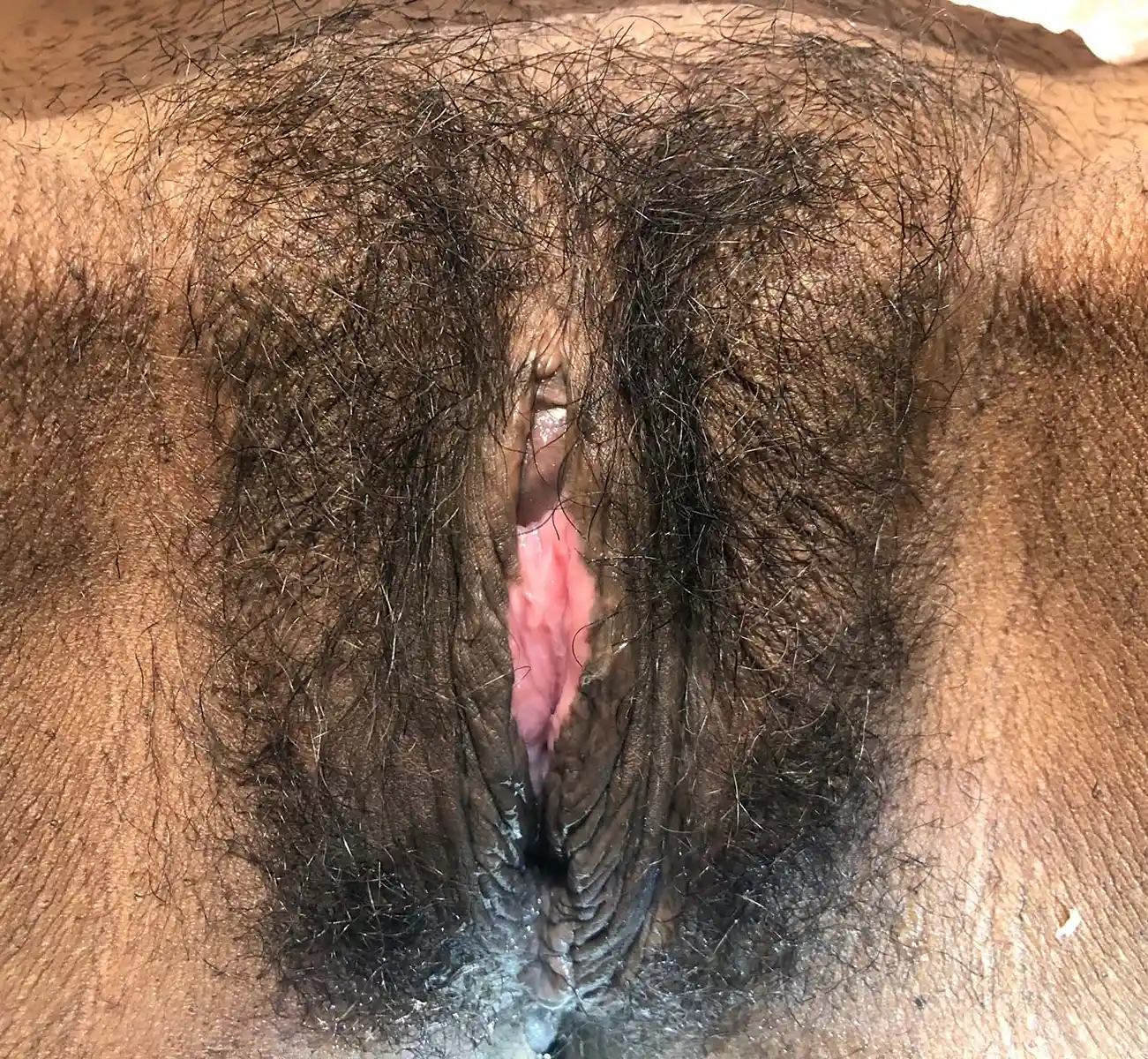
Below are examples of genital feminizing surgeries performed by our team. These images are shared with full patient consent and are intended to help you understand what to expect. They include pre-op and post-op views, which may contain nudity and surgical results.
.webp)




VI. Frequently Asked Questions