Welcome to Legacy Surgical Partners – we look forward to caring for you! Our priority is to make your surgery process and everything in between as pleasurable, empowering, and accessible as possible. Patients are expected to follow guidelines established by the WPATH Standards of care Version 8. We follow these standards—not as a gatekeeping hurdle—but as minimal guidelines that are useful guideposts that are protective. Though regret for gender affirming surgery is extremely rare, we are medical professionals who are here at your bequest. Surgery is irreversible, which puts the onus of responsibility on both patient and provider.
We're here to help you make essential decisions and know what to expect in surgery planning and recovery. Our team consists of:
That’s right, you! We value your input, your perspective and all the work you are and will be doing to prepare for and recover from surgery. We look forward to getting to know you better and learning how we can help you.
We want to make your surgery and recovery as smooth as possible. We’ll answer any questions you have and make sure you have the best possible outcome.
We understand this surgery is extremely important. It takes incredible trust to allow a surgeon to perform this operation. We want you to know we are humbled by that trust and take it very seriously.
The first step in this process is understanding your options and creating a plan that meets your needs. We’ve created this overview to help you make important decisions and know what to expect.
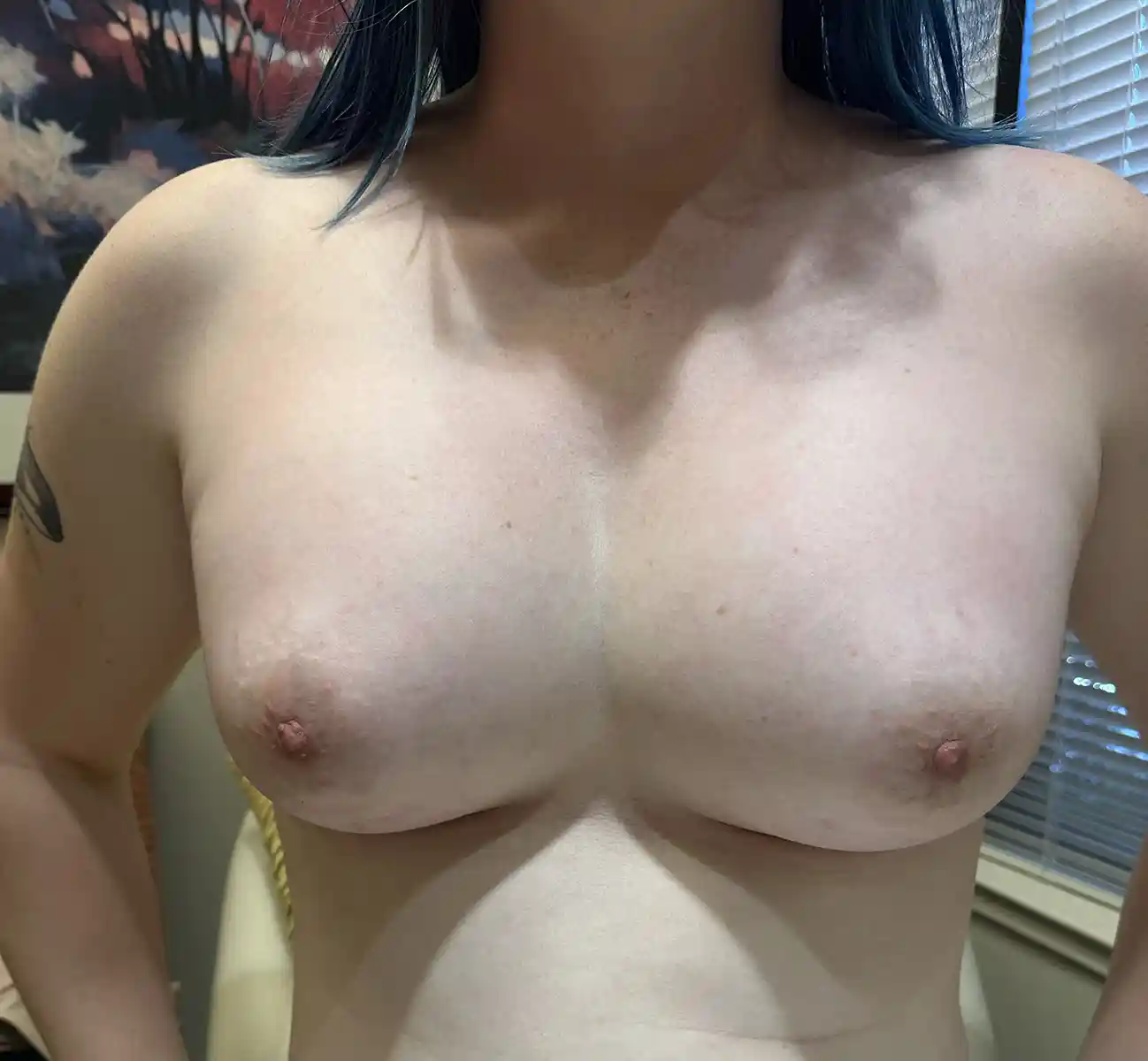
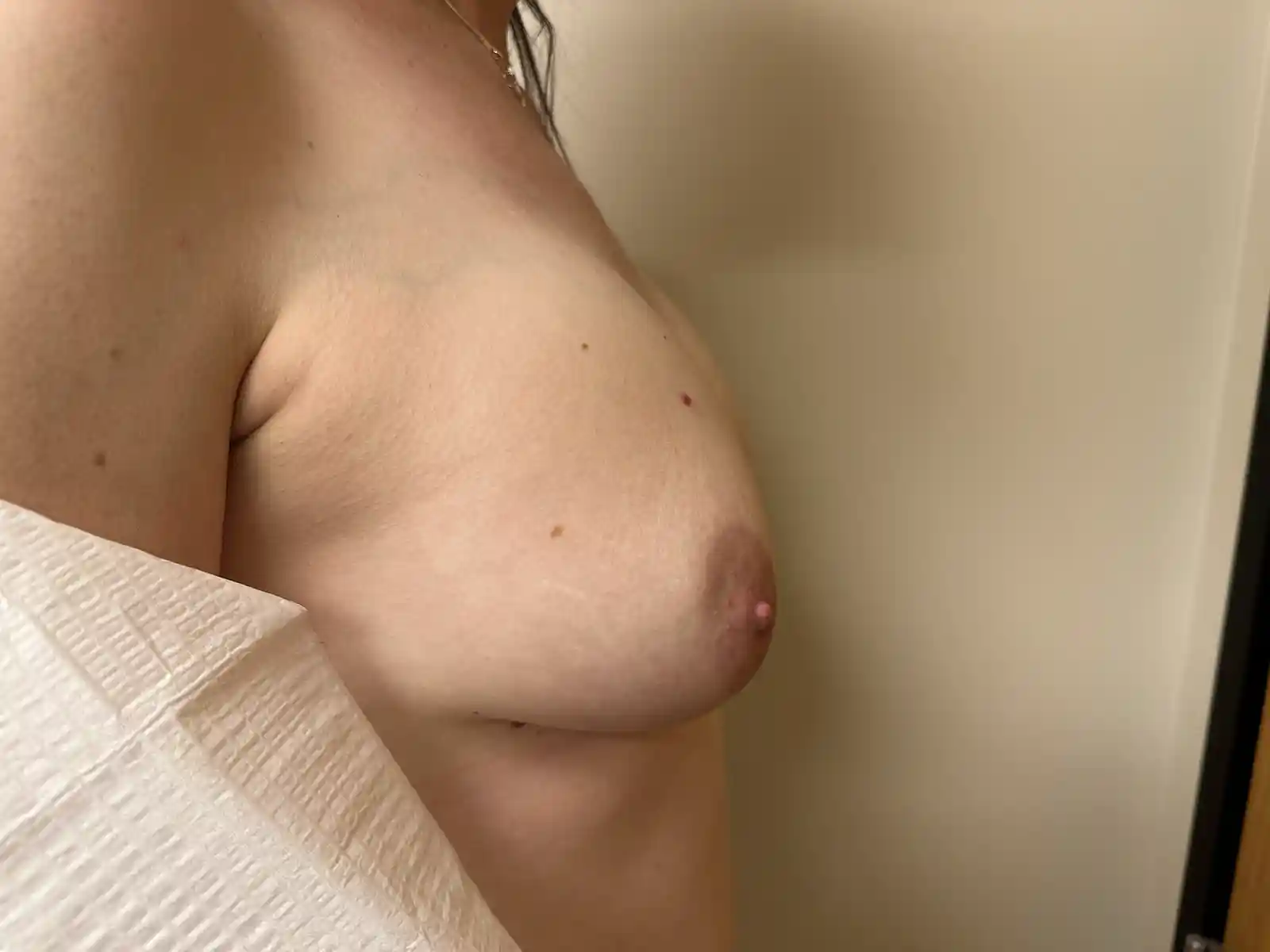
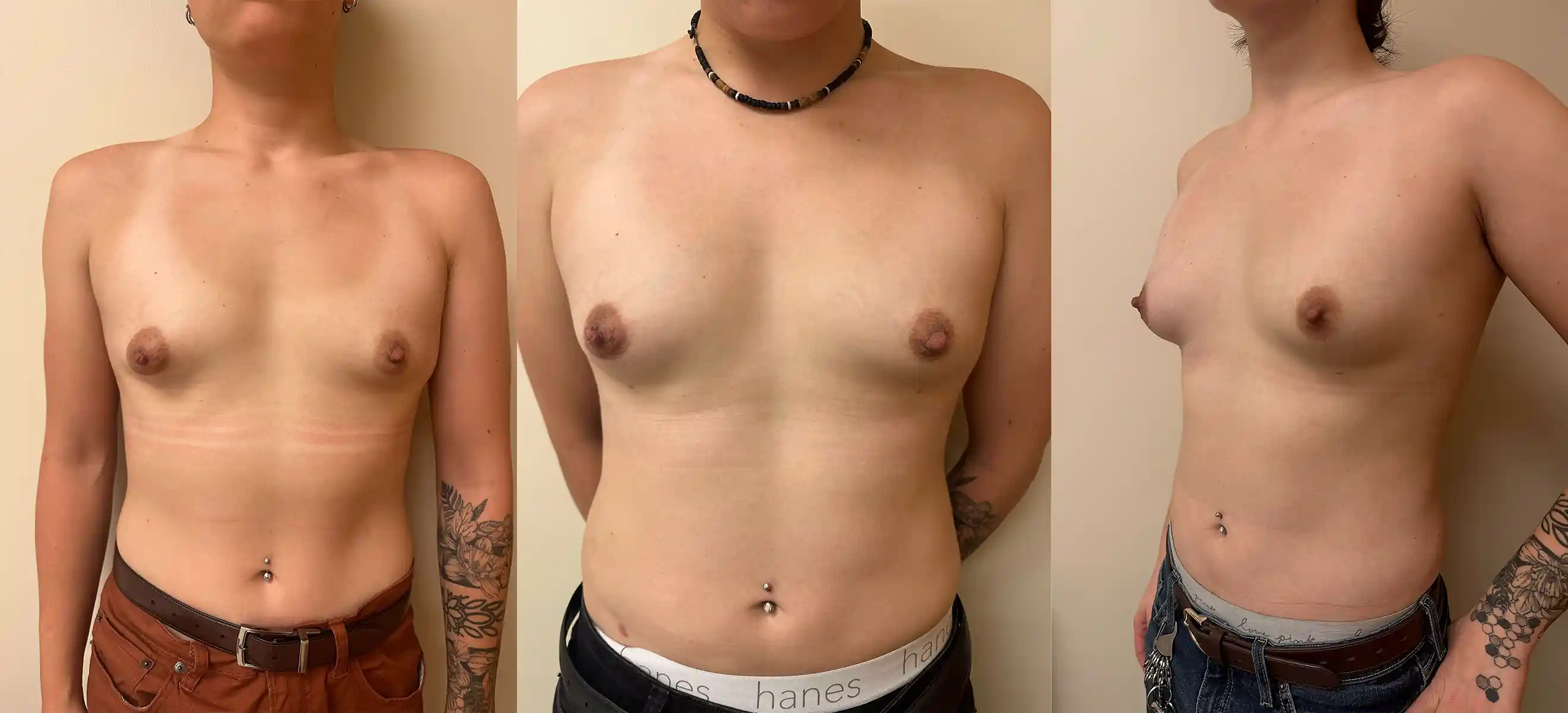
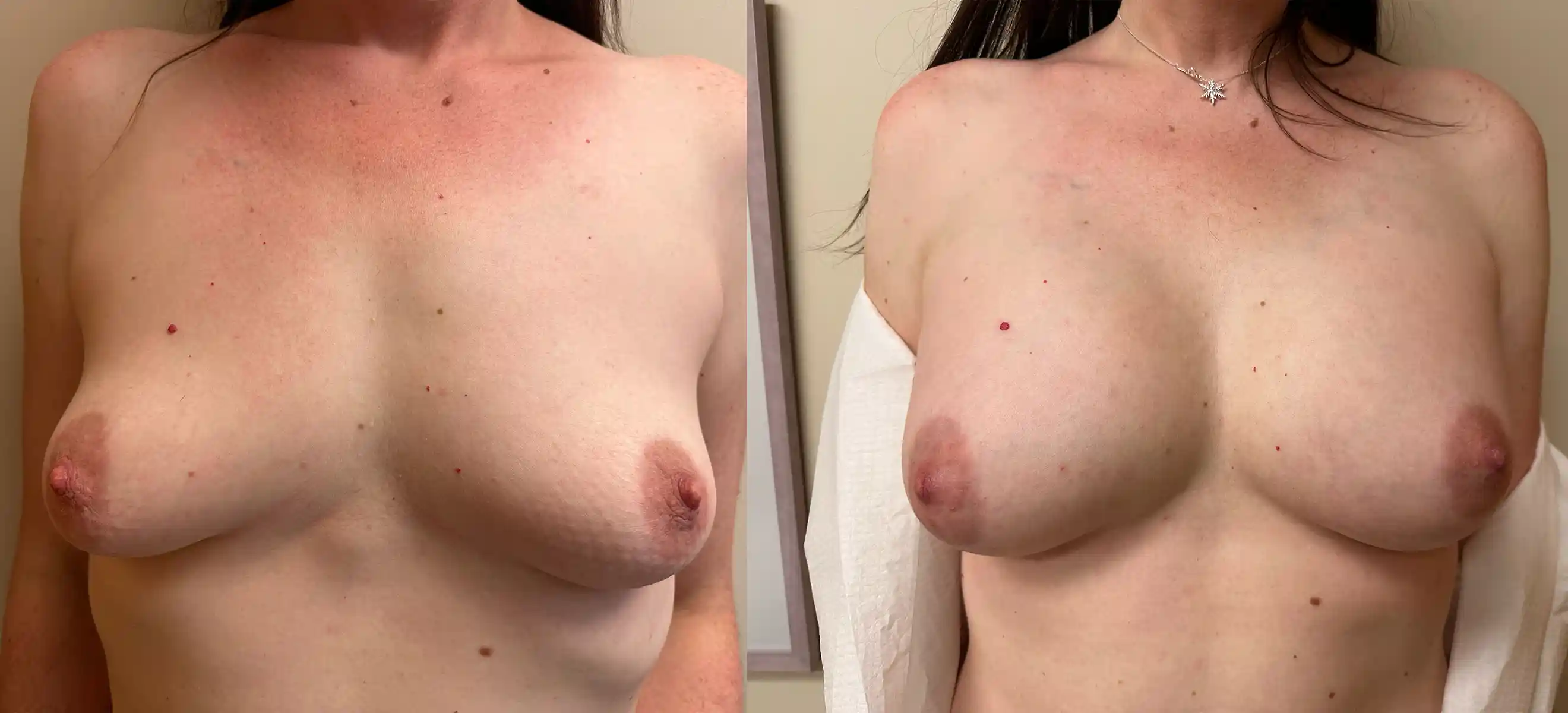
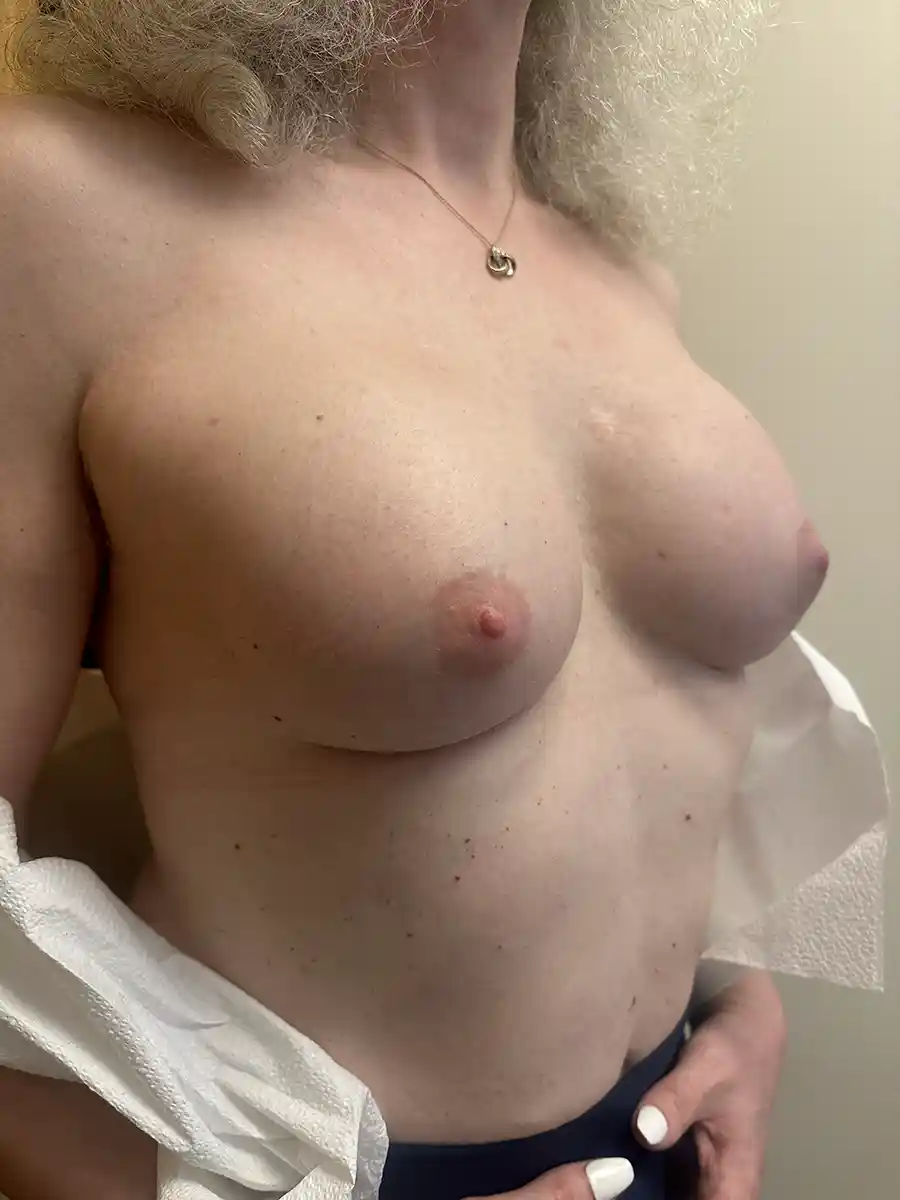
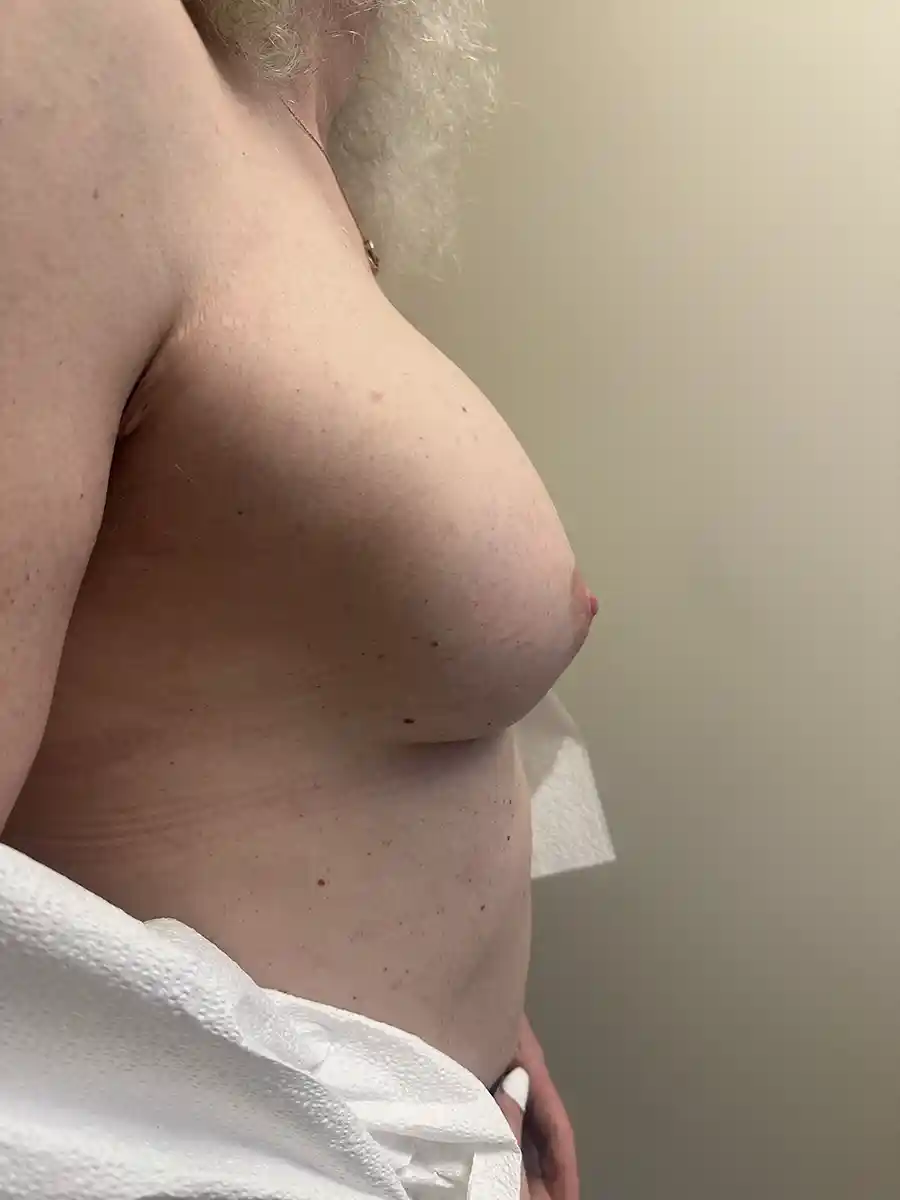
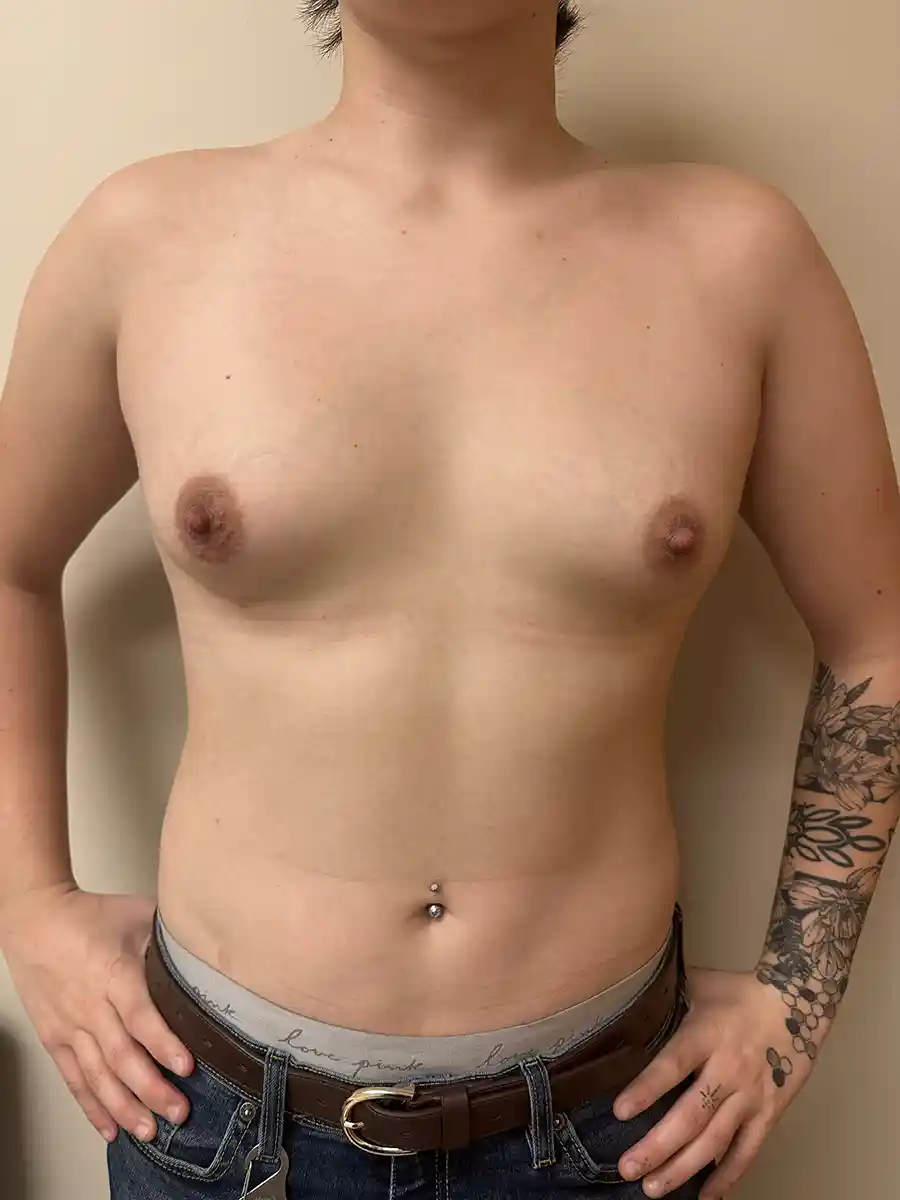
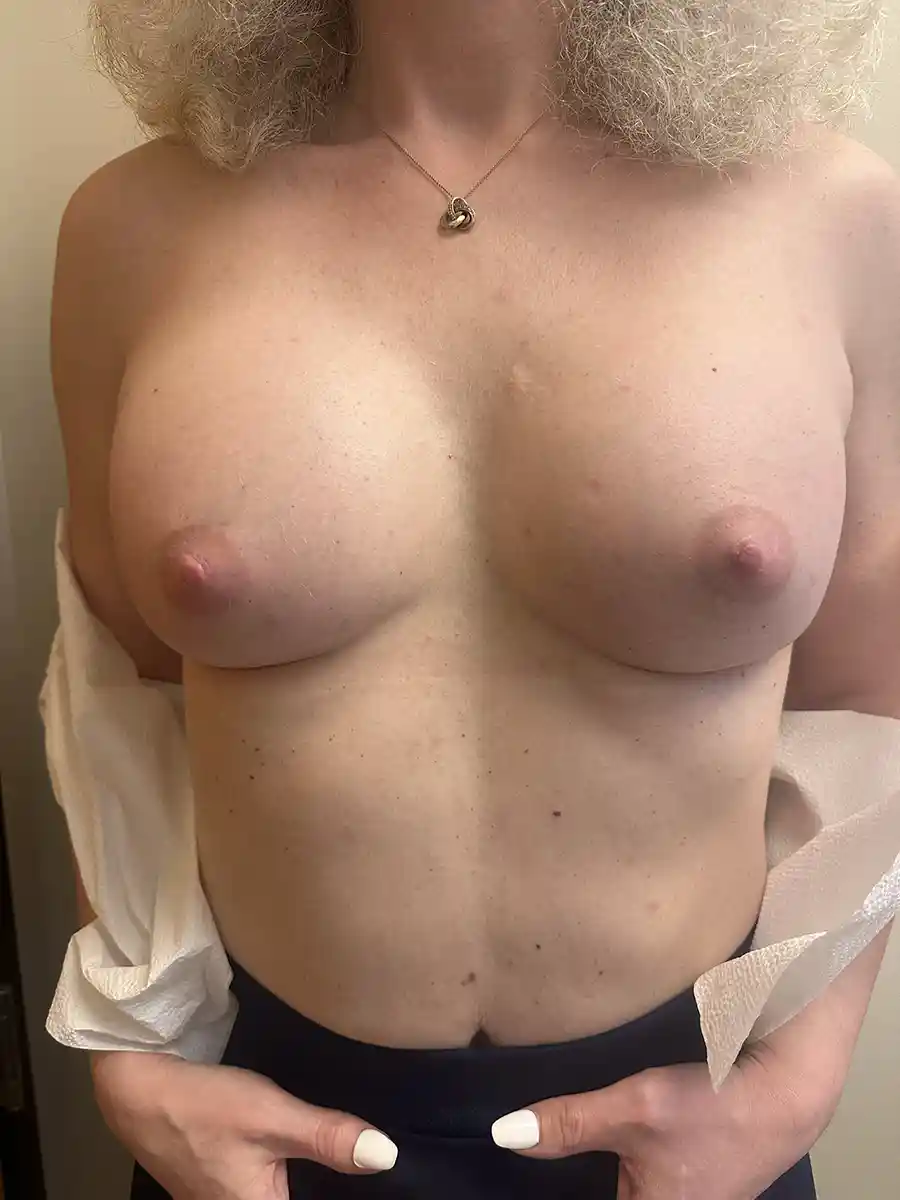
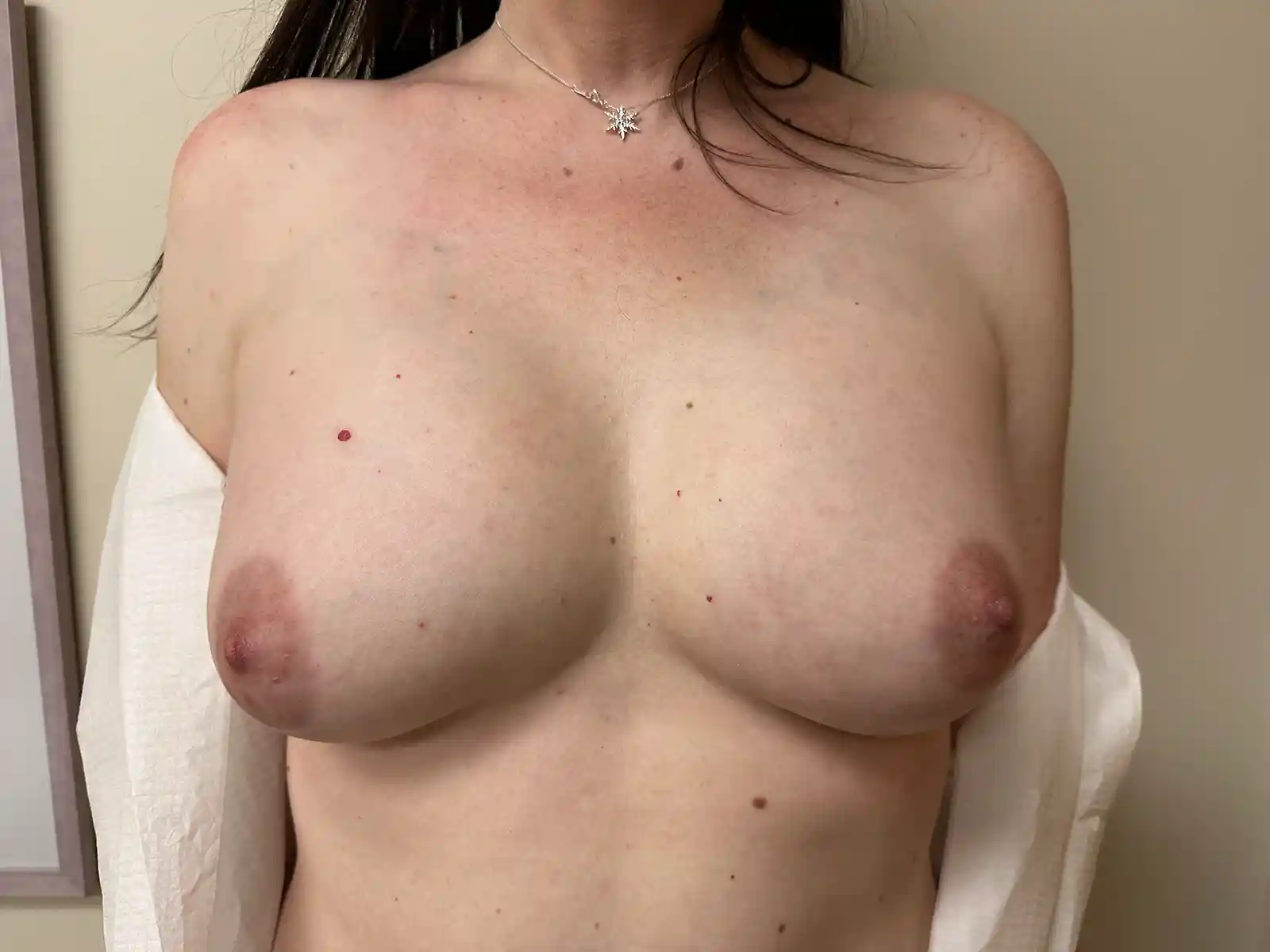
Breast augmentation surgery is a procedure done with the goal of increasing the size and shape of the breast in order to give a more feminine chest. This surgery not only adds volume, but also improves the shape of the breast through adding more upper chest fullness and cleavage. Additionally, results can adjust the position of the breast fold to give added balance and proportion to the chest. There are three main goals in surgery:
Each patient’s surgery plan and results are different.
Before your first consultation, we encourage you to:
Your first consultation is an opportunity for us to learn about your hopes and goals. You will be given a questionnaire to help us meet your needs and measure the results. Your surgeon will review various surgical options and explain the process.
Once we understand your goals, we will:
A fair amount of time is spent during the consultation with your surgeon, but you may also meet the other members of your care team.
There are many techniques that are available and the names may vary from practice to practice. We will cover the most common techniques for breast augmentation.
Implants are by far the most common technique for breast augmentation. This is a powerful surgery that immediately increases the volume of the breasts.
In this instance, a silicone shell is filled with cohesive silicone gel. You may have heard the term “Gummy Bear”; this just means cohesive gel. If the implant were to be cut in half, it would continue to hold its shape. This is the most common augmentation method.
Benefits:
1) If the implant ruptures you will not lose volume.
2) It feels more like soft breast tissue.
3) Less Rippling
Disadvantages:
A rupture of the implant may occur with no signs of rupture.
Surgical Approach:
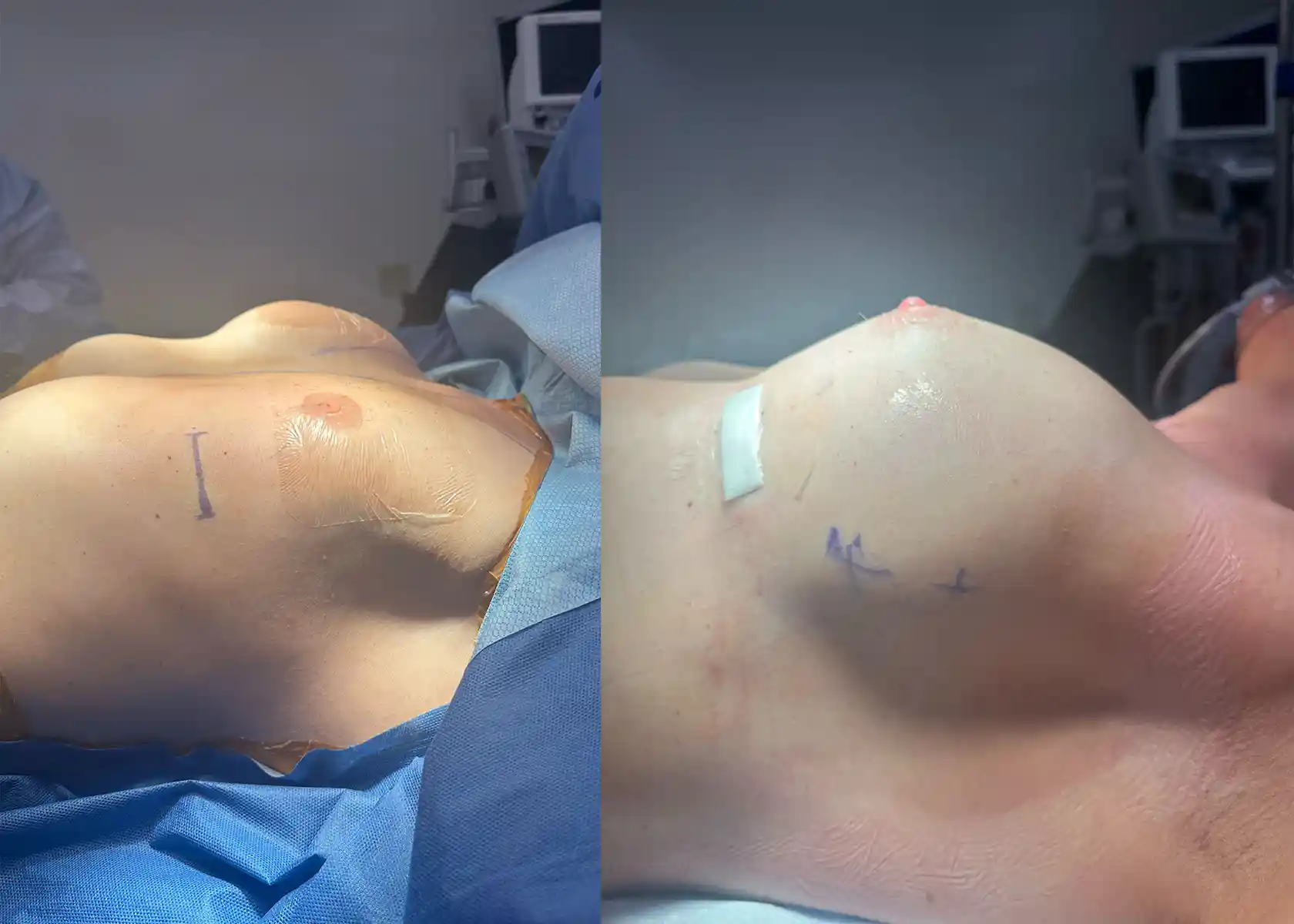
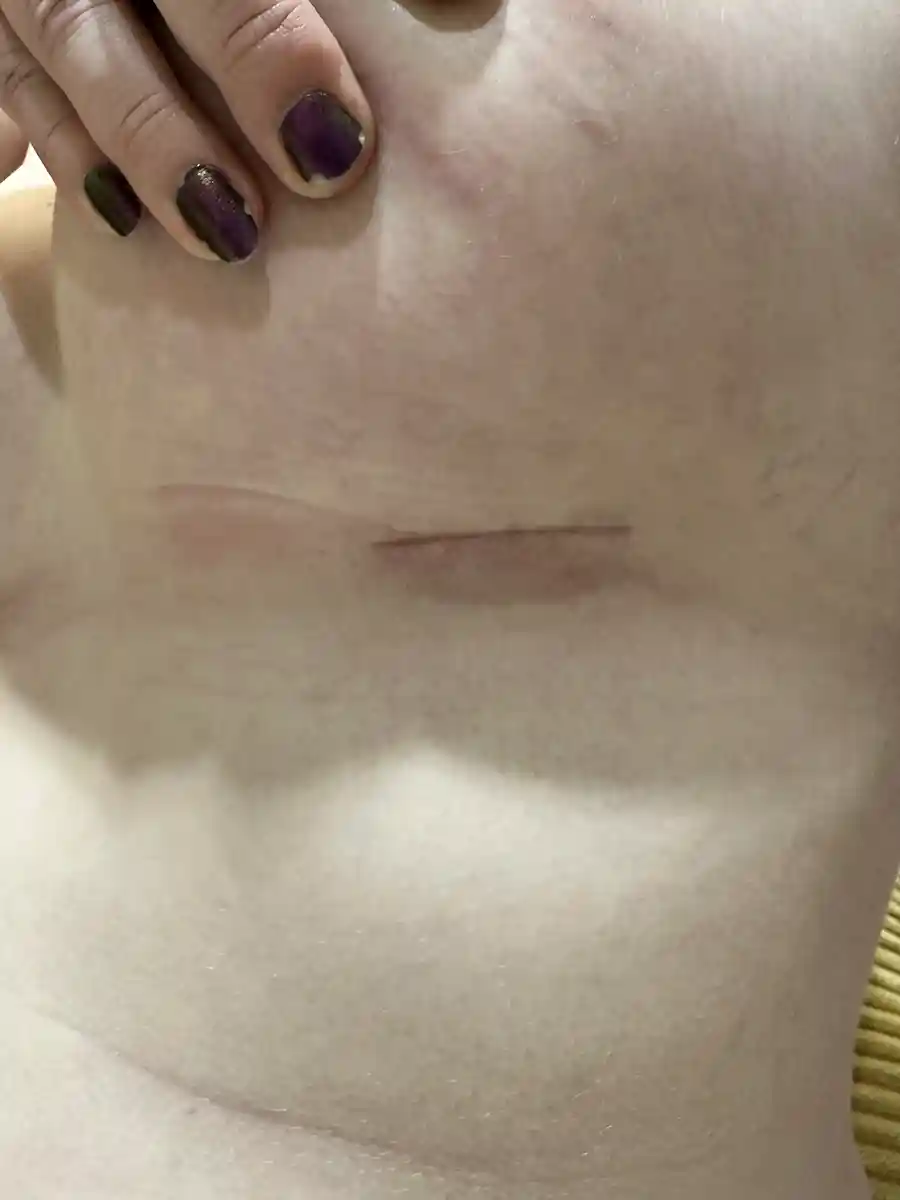
It may be necessary to adjust the native breast fold to a lower position in order to provide the chest with proper balance in cases where the chest has been exposed to estrogen later in life. This is best accomplished through an incision on the breast fold. The is well hidden by the breast and usually ends up very close to the new breast fold location.
Above or Below the Muscle?
This decision can vary from person to person. During your consultation, your surgeon will discuss these options in more detail. Placing the implant behind the muscle in thin patients may increase implant coverage and reduce the likelihood of noticeable implant rippling. In some cases, implants placed under the muscle may develop an animation deformity where the implant will move whenever you use your pectoralis muscles. This can appear unnatural and be bothersome to some patients. Native breast tissue is located above the muscle, so placing the implants in this position does not involve cutting the pectoralis muscle. This position allows the implants to move somewhat more centrally in those with a wide sternum, yielding a result with further cleavage. In this position, there is no chance of animation deformity.
Healing from Breast Implants:
When you wake up from surgery, you will have a soft surgical bra. You should wear this bra or a soft sports bra at all times when not showering for the first 3 months. For the first 2 weeks, it is important to avoid large movements, reaching or lifting with the arms. You may eat, text, and take care of your daily hygiene with a movement known as the "T-rex arms," but not much more. Keeping your arms by your sides allows the breast pocket to form around the implant and ensure that the implant does not migrate out of the pocket. After these two weeks, you may start to do daily activities as tolerated. Refrain from vigorous exercise until after 4-6 weeks. Implants will initially appear more mound-like or stuck. As the chest tissue softens, it will take them three to six months to settle into their final teardrop shape. This may result in or exacerbate stretch marks. After 3 months, you may wear any bra of your choosing. We recommend getting sized for a bra that fits you best.
Possible Long-Term Complications:
1) Capsular contracture: This is when the scar surrounding the implant begins to compress or squeeze it, changing the implant's shape and location.
• In some instances, this can become painful. This condition is neither harmful nor life-threatening. This is the most common reason for revision surgery and typically manifests years after the procedure, though it can also occur at any point following breast augmentation.
• Once capsular contracture has occurred, it is more likely for there to be a recurrence.
• Capsular contracture can be treated surgically.
2) Breast implant illness: Symptoms may include fatigue, joint pain, brain fog, dry eyes and many other health concerns. This is an extremely rare nondescript illness and the cause is unknown.
3) Anaplastic large cell lymphoma: Extremely rare lymphoma associated with textured implants. We do not use textured implants in our practice so you will not need to worry about this condition.
It is recommended that implants be replaced every 10-20 years; however, many will wait until there is an issue with the implant before having an additional surgery. It is also recommended to get breast ultrasound or MRI 5 years following your original procedure and every 3 years after to evaluate the implants for rupture. This is often not covered by insurance. We will discuss this in more detail at your consultation.
Implants are by far the most common technique for breast augmentation. This is a powerful surgery that immediately increases the volume of the breasts.
In this instance, a silicone shell is filled with saline, which is a salt water that is used for IV fluids. These were used more often in the past when silicone gel implants were still being refined. Currently, they are used far less often than silicone implants.
Benefits:
1) If the implant ruptures, you will know because the body will absorb the fluid from inside the implant and you will notice a drop in volume. Both a benefit or a disadvantage, depending on perspective.
2) Can potentially be placed through a slightly smaller incision.
Disadvantages:
1) If the implant ruptures you will know because the body will absorb the fluid from inside the implant and you will notice a drop in volume. Both a benefit or disadvantage, depending on perspective.
2) Can have more rippling compared to the silicone implants.
3) Does not feel similar to breast tissue. Implant maybe more easily distinguished from the natural breast tissue.
Surgical Approach:
It may be necessary to adjust the native breast fold to a lower position in order to provide the chest with proper balance in cases where the chest has been exposed to estrogen later in life. This is best accomplished through an incision on the breast fold. The is well hidden by the breast and usually ends up very close to the new breast fold location.
Above or Below the Muscle?
This decision can vary from person to person. During your consultation, your surgeon will discuss these options in more detail. Placing the implant behind the muscle in thin patients may increase implant coverage and reduce the likelihood of noticeable implant rippling. In some cases, implants placed under the muscle may develop an animation deformity where the implant will move whenever you use your pectoralis muscles. This can appear unnatural and be bothersome to some patients. Native breast tissue is located above the muscle, so placing the implants in this position does not involve cutting the pectoralis muscle. This position allows the implants to move somewhat more centrally in those with a wide sternum, yielding a result with further cleavage. In this position, there is no chance of animation deformity.
Healing from Breast Implants:
When you wake up from surgery, you will have a soft surgical bra. You should wear this bra or a soft sports bra at all times when not showering for the first 3 months. For the first 2 weeks, it is important to avoid large movements, reaching or lifting with the arms. You may eat, text, and take care of your daily hygiene with a movement known as the "T-rex arms," but not much more. Keeping your arms by your sides allows the breast pocket to form around the implant and ensure that the implant does not migrate out of the pocket. After these two weeks, you may start to do daily activities as tolerated. Refrain from vigorous exercise until after 4-6 weeks. Implants will initially appear more mound-like or stuck. As the chest tissue softens, it will take them three to six months to settle into their final teardrop shape. This may result in or exacerbate stretch marks. After 3 months, you may wear any bra of your choosing. We recommend getting sized for a bra that fits you best.
Possible Long-Term Complications:
1) Capsular contracture: This is when the scar surrounding the implant begins to compress or squeeze it, changing the implant's shape and location.
• In some instances, this can become painful. This condition is neither harmful nor life-threatening. This is the most common reason for revision surgery and typically manifests years after the procedure, though it can also occur at any point following breast augmentation.
• Once capsular contracture has occurred, it is more likely for there to be a recurrence.
• Capsular contracture can be treated surgically.
2) Breast implant illness: Symptoms may include fatigue, joint pain, brain fog, dry eyes and many other health concerns. This is an extremely rare nondescript illness and the cause is unknown.
3) Anaplastic large cell lymphoma: Extremely rare lymphoma associated with textured implants. We do not use textured implants in our practice so you will not need to worry about this condition.
It is recommended that implants be replaced every 10-20 years; however, many will wait until there is an issue with the implant before having an additional surgery. It is also recommended to get breast ultrasound or MRI 5 years following your original procedure and every 3 years after to evaluate the implants for rupture. This is often not covered by insurance. We will discuss this in more detail at your consultation.
In this technique, fat is taken from another part of the body—usually the abdomen, flanks or thighs—and placed into the breast. Approximately 60% of the fat survives and becomes part of your body, changing with your natural fluctuations in weight.
We are limited by the amount of fat that can be placed during each session, therefore multiple sessions are necessary in order to obtain results similar to an implants-based augmentation. A minimum of 3 months are required between each surgical session in order to allow the body to heal. The average patient will have at least 3 sessions to receive similar results as a breast augmentation with implants.
The ideal candidate is someone seeking a mild-to-moderate augmentation who is stable in weight and has areas with sufficient fat for harvest.
Benefits:
1) We use your own tissue! After the initial surgery or surgeries, no maintenance is needed.
2) Does not have any of the risks of breast implants.
3) Fat needs to be harvested from other places in the body and we choose aesthetic locations such as the abdomen, flanks, medial thighs.
Disadvantages:
1) Multiple rounds of surgery are required in order to yield similar results to breast implants.
2) Not a great option for thin patients looking to be very full.
3) Two surgical sites to heal from.
Healing from Fat Grafting:
When you wake up from surgery you will have a soft surgical bra and a compression dressing on the donor site. You should wear this bra or a soft sports bra at all times when not showering for the first 3 months. Wear the compression dressing at the donor site all times when not showering for 1-3 months. Do not sleep on your stomach or side for about 6 weeks to allow the breasts to heal. Refrain from vigorous exercise until after 4-6 weeks. Numbness, tingling, bruising, swelling and lumpiness are all normal parts of the healing process that typically resolve over 3-6 months.
Breast augmentation is a surgery that will limit physical activity for 4-6 weeks. A large part of its success depends on your preparedness. This means being in the best possible physical and mental health before the surgery.
Above all else, it is crucial to have reasonable expectations about what is possible for your body and what your surgeon can realistically accomplish. We recommend you do the following to prepare:
We like to think about surgery like running a marathon. You will be stressing your body and will have to do significant healing. In the months and weeks leading up to surgery, maximizing your health—both mental and physical—will aid in having a swift recovery. To maximize healing, we recommend:
We understand the importance and urgency of this surgery. We also know your success hinges on being well-prepared. Remember, this is a lifelong investment in your health. Optimal preparation can improve your chances of positive physical and mental health outcomes.
This page includes medical content that may be sensitive or graphic, such as surgical images, videos, or descriptions. Viewer discretion is advised.
By continuing, you confirm that you understand and wish to proceed.